What Does Code C1457 Mean?
The diagnostic trouble code (DTC) C1457 signifies a detected electrical malfunction within the front accelerometer circuit, specifically indicating a “Short To Ground.” Accelerometers are critical microelectromechanical systems (MEMS) sensors utilized extensively in modern vehicle chassis and safety systems. They measure static and dynamic acceleration forces, providing essential data for the Supplemental Restraint System (SRS) for crash detection and airbag deployment, the Electronic Stability Control (ESC) and Traction Control System (TCS) for vehicle stability management, and in some applications, active suspension systems or advanced Anti-lock Braking System (ABS) functions.
The vehicle’s relevant control module (e.g., ABS/ESC module, SRS module, or a dedicated Chassis Control Module) continuously monitors the voltage signal from the front accelerometer. A short to ground condition typically manifests as an abnormally low voltage reading, often near zero volts, that falls outside the sensor’s predefined operational parameters. When the control module detects this persistent out-of-range voltage for a calibrated duration, it registers the C1457 DTC, illuminating the corresponding warning light (e.g., ABS, ESC/TCS, or Airbag indicator) on the instrument cluster. This code directly affects the functionality of critical safety and chassis control systems, often causing them to become disabled or revert to a limited “fail-safe” mode.
Common Symptoms
- Illumination of Warning Lights: The ABS, ESC/TCS, and/or Airbag (SRS) warning lights will typically illuminate on the dashboard.
- Disabled Stability Control: The Electronic Stability Control (ESC) and Traction Control System (TCS) may be inoperative or function erratically, potentially impacting vehicle handling and stability, especially during cornering or in low-traction conditions.
- Disabled Anti-lock Braking System (ABS): The ABS system may become inactive, leading to conventional braking without anti-lock functionality.
- Compromised Airbag System: The SRS warning light indicates a potential fault in the crash detection system, which could affect the timely and correct deployment of airbags in a collision.
- Abnormal Ride Characteristics: If integrated with active suspension, the vehicle’s ride quality or handling may be adversely affected.
What Causes the Code C1457?
- Damaged Wiring Harness: The most frequent cause is damage to the wiring harness connected to the front accelerometer. This can include frayed, pinched, or chafed wires making unintended contact with the vehicle’s chassis or other grounded components.
- Corroded Electrical Connector: Moisture ingress, dirt, or debris can lead to corrosion within the front accelerometer’s electrical connector, creating a low-resistance path between a signal/power wire and ground.
- Faulty Front Accelerometer: An internal short circuit or electronic failure within the accelerometer sensor itself can cause its output or power circuit to short to ground.
- Faulty Control Module: Although less common, an internal short to ground within the relevant control module (e.g., ABS/ESC module, SRS module) could erroneously trigger the C1457 DTC.
- Previous Accident Damage: In vehicles that have been involved in a frontal collision or have undergone extensive front-end repairs, the accelerometer or its wiring may have been compromised or improperly installed.
How to Diagnose and Troubleshoot
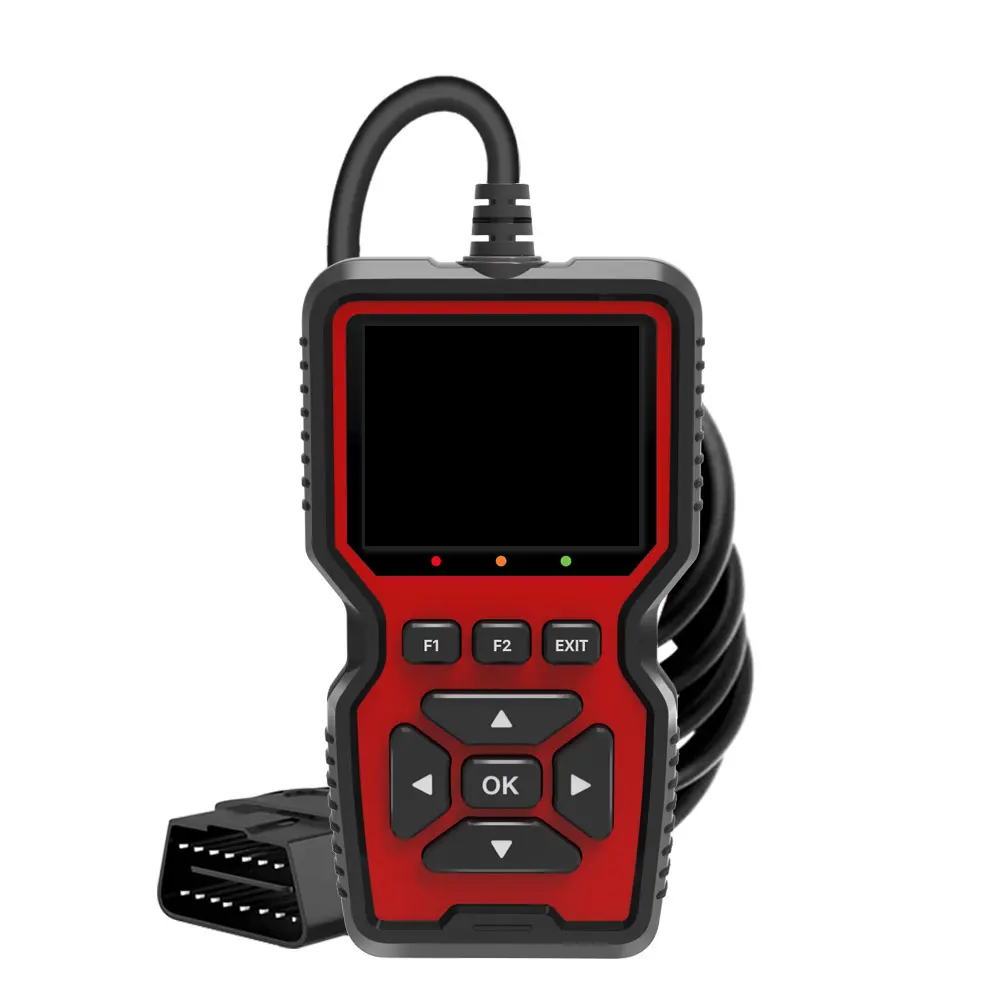
Diagnosis of C1457 requires a methodical approach, often involving a professional-grade OBD-II scanner and a digital multimeter (DMM).
- Visual Inspection:
- Begin with a thorough visual inspection of the front accelerometer and its wiring harness. The accelerometer’s exact location varies but is often found mounted to the front bumper support, radiator core support, or a front frame rail.
- Look for any signs of physical damage, corrosion, exposed wires, pinching, chafing, or signs of rodent damage along the entire length of the wiring, from the sensor to the control module.
- Inspect the sensor’s electrical connector for bent pins, corrosion, or contamination.
- Check for Technical Service Bulletins (TSBs):
- Consult manufacturer-specific TSBs and recalls for known issues pertaining to the C1457 code or front accelerometer circuits for the specific make, model, and year of the vehicle.
- Scan Tool Diagnostics:
- Connect an advanced OBD-II scan tool capable of communicating with the chassis (ABS/ESC) and safety (SRS) control modules.
- Access live data parameters for the front accelerometer. Observe the voltage readings; a short to ground will typically show an abnormally low voltage, often near 0V, that remains static regardless of vehicle movement.
- Check for any other related or pending DTCs that might indicate a broader electrical or system-level issue.
- Digital Multimeter (DMM) Testing:
- Safety First: Before performing electrical tests, always disconnect the negative battery terminal, especially when working with SRS components, to prevent accidental airbag deployment.
- Isolate the Circuit: Disconnect the electrical connector from the front accelerometer and, if possible, from the corresponding control module to isolate the wiring harness.
- Test for Short to Ground (Wiring): Set your DMM to the resistance (ohms) scale. Measure the resistance between each wire terminal at the harness side of the accelerometer connector and a known good chassis ground point. A reading of less than 5 ohms (ideally near 0 ohms) on a signal or power supply wire indicates a direct short to ground in that particular wire. Repeat this for all wires in the circuit that could potentially cause a short.
- Test Sensor Internal Resistance: If the wiring harness tests good, reconnect the battery temporarily (if required for specific sensor tests, consult service manual) or perform an internal resistance check on the accelerometer itself. Some sensors may have specific resistance values between terminals, or you might test continuity between the power/signal pins and the sensor’s mounting point (if it grounds through the chassis). Refer to the vehicle’s service manual for specific sensor testing procedures and expected values.
- Power and Ground Verification (at Connector): With the sensor disconnected and the ignition ON (and battery reconnected, taking appropriate safety measures), use the DMM to verify proper power supply (typically 5V or 12V, depending on the sensor) and a solid ground at the accelerometer’s harness connector. A missing power supply or an open ground could mimic symptoms but C1457 specifically indicates a short to ground.
Recommended Repairs and Solutions
Once the root cause of the C1457 code has been accurately identified through diagnosis, implement the following repairs:
- Repair or Replace Damaged Wiring: If a shorted wire is confirmed, the primary solution is to repair the damaged section of the wiring harness. This should involve using automotive-grade wire of the correct gauge, crimp connectors or soldering with heat shrink tubing for insulation, and ensuring proper strain relief. In cases of extensive damage, replacing the entire damaged section of the harness or the complete sub-harness may be necessary.
- Clean or Replace Corroded Connector: If the electrical connector is found to be corroded, carefully clean the terminals using specialized electrical contact cleaner and a small, non-abrasive brush. If the corrosion is severe, or if the plastic connector housing is cracked or damaged, the connector pigtail should be replaced. Apply dielectric grease to the terminals upon reassembly to prevent future corrosion and ensure a robust connection.
- Replace Front Accelerometer: If wiring and connectors are thoroughly inspected and confirmed to be in perfect working order, the fault lies within the accelerometer itself. Replace the faulty front accelerometer with a new, OEM-quality part. It is crucial to ensure the new sensor is mounted correctly and tightened to the manufacturer’s specified torque. Some accelerometer replacements, particularly those related to SRS or ESC systems, may require post-installation calibration using a specialized scan tool. Consult the vehicle’s service manual for calibration procedures.
- Replace Control Module: This is generally considered a last resort. If all other components (sensor, wiring, and connectors) have been meticulously tested and validated as fault-free, and diagnostic procedures unequivocally point to an internal short within the control module (e.g., ABS/ESC module, SRS module), then replacement and subsequent programming (often VIN-specific coding) by a qualified technician will be necessary. This repair is typically the most expensive.
- Clear DTCs and Test Drive: After completing any repair, clear the C1457 DTC and any associated codes using the OBD-II scan tool. Conduct a comprehensive test drive, incorporating varying speeds, braking, and turns, to confirm the repair’s effectiveness and ensure the code does not reappear. Verify that all related warning lights are extinguished.