What Does Code C1508 Mean?
The diagnostic trouble code C1508, “Traction Control of Engine Exceeds Time-Out,” indicates that the Engine Control Module (ECM) or Powertrain Control Module (PCM) has detected an unexpected or delayed response from the engine’s torque management system during an active traction control event. In modern vehicles, the Traction Control System (TCS), often integrated with the Anti-lock Braking System (ABS) and Vehicle Stability Control (VSC), monitors wheel speed sensors for slippage. When slippage is detected, the TCS/VSC module sends a command via the Controller Area Network (CAN) bus to the ECM/PCM, requesting a reduction in engine torque. This torque reduction is critical for regaining traction and is typically achieved by strategies such as retarding ignition timing, cutting fuel delivery to specific cylinders, or modulating the electronic throttle body position.
The ECM/PCM is programmed to execute this torque reduction command and to confirm its application within a specific, calibrated timeframe. If the ECM/PCM fails to achieve the requested engine torque reduction, or if it does not register the engine’s compliance with the command within the allotted time (i.e., the “time-out”), the C1508 code is set. This signifies a breakdown in the communication or execution loop between the chassis control system (TCS/VSC) and the powertrain management system, specifically regarding the engine’s ability to respond to traction control demands. The subsystem primarily affected is the integrated vehicle dynamics control, specifically the engine’s role in traction management.
Common Symptoms
- Illuminated Warning Lights: The Traction Control Light, ABS Light, and/or Malfunction Indicator Lamp (MIL/Check Engine Light) will typically be illuminated on the dashboard.
- Reduced Engine Performance: The vehicle may enter a “limp mode” or exhibit reduced power output, especially during acceleration, as a failsafe mechanism to prevent uncontrolled wheel spin.
- Ineffective Traction Control: The vehicle may experience wheel spin during acceleration on slippery surfaces where traction control would normally intervene.
- Intermittent Stability Issues: Under certain driving conditions, particularly low traction, the vehicle’s stability may be compromised due to the inability of the system to effectively manage engine torque.
- Rough Idling or Stalling: Less common, but can occur if the engine’s torque reduction strategies are misfiring or improperly applied.
What Causes the Code C1508?
- Faulty ABS/TCS/VSC Module: An internal fault within the traction control module itself, leading to incorrect torque reduction requests or corrupted communication signals.
- Faulty ECM/PCM: An internal malfunction within the engine control module, preventing it from properly interpreting or executing the torque reduction commands, or from reporting its compliance correctly.
- CAN Bus Communication Issues: Damage, corrosion, or intermittent connections in the Controller Area Network (CAN) bus wiring between the ABS/TCS module and the ECM/PCM. This can cause delays or complete loss of data packets.
- Wiring or Connector Problems: Compromised wiring, chafed insulation, or corroded terminals in the power, ground, or signal circuits for either the ABS/TCS module or the ECM/PCM, leading to intermittent operation or complete failure.
- Software Glitch or Incompatibility: Rare, but potential issues after a module reflash or replacement if software versions are incompatible or contain bugs affecting inter-module communication protocols.
- Incorrect Wheel Speed Sensor Data: While C1508 focuses on engine response, highly erroneous wheel speed data feeding into the ABS/TCS module could theoretically cause it to issue improper or continuous torque reduction requests that the engine system struggles to fulfill within normal parameters.
How to Diagnose and Troubleshoot
Diagnosing C1508 requires a systematic approach, focusing on communication integrity and module functionality. Always begin with a full system scan for all modules, not just the powertrain.
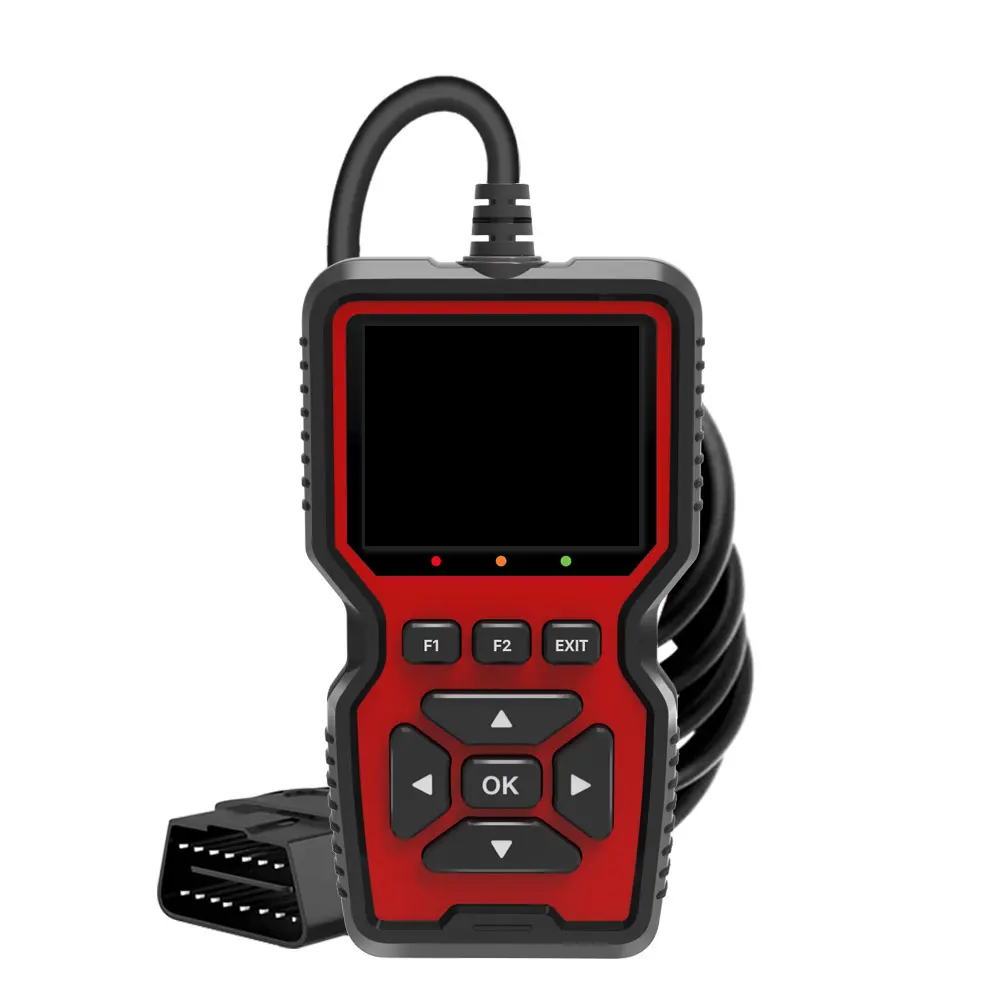
- Perform a Comprehensive OBD-II Scan: Utilize an advanced diagnostic scan tool to check for C1508 and any co-existing codes, especially those related to ABS, VSC, or CAN bus communication (e.g., U-codes). Note any stored freeze frame data.
- Visual Inspection: Thoroughly inspect the wiring harnesses and connectors for the ABS/TCS module and the ECM/PCM. Look for signs of damage, chafing, corrosion, or loose connections. Pay close attention to ground points and power supply wires.
- Battery and Charging System Check: Verify proper battery voltage (minimum 12.6V static) and charging system operation. Low voltage can cause intermittent module communication issues.
- CAN Bus Integrity Test:
- Resistance Check: With the ignition off and battery disconnected, measure the resistance across the CAN high and CAN low lines at the OBD-II port (pins 6 and 14). Expect approximately 60 ohms, indicating two 120-ohm termination resistors in parallel. Deviations suggest an open circuit or short.
- Voltage Check: With the ignition on (engine off), use a Digital Multimeter (DMM) to check voltage on CAN high and CAN low relative to ground. Look for fluctuating voltage signals, typically around 2.5V bias with superimposed data. A constant 0V or 5V on either line indicates a fault.
- Live Data Monitoring: Use the scan tool to monitor CAN bus activity and data streams from the ABS/TCS module and ECM/PCM simultaneously. Look for parameters related to engine torque reduction requests and actual engine torque output. Observe if the requested reduction is acknowledged and achieved by the ECM/PCM in a timely manner during a controlled test drive (if safe to do so).
- Module Power and Ground Verification: Using wiring diagrams, identify the power and ground pins for both the ABS/TCS module and the ECM/PCM.
- Power Supply: Check for consistent battery voltage at the power input terminals with the ignition on and during engine cranking.
- Ground Integrity: Verify low resistance (typically less than 0.5 ohms) between the module’s ground pins and a known good chassis ground point.
- Active Test of Traction Control: If your scan tool supports it, attempt to command traction control functions or monitor their status during a simulated event. This can help identify if the ABS/TCS module is initiating the requests properly.
Recommended Repairs and Solutions
Once the root cause of the C1508 code has been accurately identified, implement the following repairs:
- Repair Wiring and Connectors: If visual inspection or electrical tests reveal damaged, corroded, or loose wiring/connectors, perform precise repairs using appropriate crimping tools and heat-shrink tubing. Replace damaged connector shells as necessary. Ensure all ground connections are clean and secure.
- ABS/TCS/VSC Module Replacement: If diagnostics definitively point to an internal fault within the ABS/TCS module (e.g., no communication, internal circuit error codes), replace the module. Be aware that many ABS/TCS modules require programming or calibration after replacement to match the vehicle’s specific options (e.g., VIN programming, brake pressure sensor calibration).
- ECM/PCM Replacement: If all other components and wiring are verified good and diagnostics indicate an internal fault within the ECM/PCM preventing it from processing or executing torque reduction commands, replacement is necessary. This almost always requires advanced programming and potentially immobilizer relearning.
- Software Updates: Check for any Technical Service Bulletins (TSBs) from the vehicle manufacturer that address C1508 or related communication issues. A software update for the ABS/TCS module or ECM/PCM may resolve communication glitches or timing issues.
- Address Power/Ground Issues: If power or ground integrity issues were found, repair or replace the affected circuits, fuses, or relays to ensure stable voltage supply to the modules.
- Clear Codes and Test Drive: After any repair, clear all diagnostic trouble codes from all modules. Perform an extended test drive under various conditions, including those that might trigger traction control, to confirm the repair and ensure the C1508 code does not return. Monitor live data during the test drive to verify correct module communication and engine response to TCS commands.