What Does Code C1724 Mean?
DTC C1724 signifies an “Air Suspension Height Sensor Power Circuit Failure.” This is a chassis-specific diagnostic trouble code, indicating a malfunction within the vehicle’s air suspension system, specifically concerning the electrical power supply to one or more of its height sensors. The Suspension Control Module (SCM), sometimes integrated into a Vehicle Dynamics Module (VDM) or Air Suspension Control Module (ASCM), monitors the electrical integrity and voltage levels of circuits supplying power to the air suspension height sensors. These sensors, typically potentiometers or Hall-effect devices, provide crucial feedback to the SCM regarding the vehicle’s current ride height at each wheel or axle. The SCM expects a specific reference voltage (e.g., 5V or 12V) on the sensor’s power circuit. When the module detects a voltage reading on this power circuit that falls outside its predefined operational parameters – indicating an open circuit, a short to ground, or a short to an abnormal voltage source – it registers C1724 and illuminates the associated warning light. This fault directly impairs the SCM’s ability to accurately determine and regulate the vehicle’s ride height, leading to potential issues with suspension leveling, stability, and comfort.
Common Symptoms
- Illuminated Air Suspension Warning Light: A dedicated warning lamp on the instrument cluster will typically illuminate.
- Uneven Ride Height: The vehicle may sag on one side or corner, or appear excessively high or low, as the SCM cannot properly control the air springs.
- Harsh or Bouncy Ride: The suspension may become stiff or unresponsive due to the system defaulting to a fixed pressure or being unable to adjust damping.
- Inability to Adjust Ride Height: Manual ride height adjustments (if equipped) will likely fail to operate.
- Air Compressor Running Continuously: The air suspension compressor may run excessively in an attempt to correct perceived height discrepancies, potentially leading to premature wear.
- Abnormal Handling Characteristics: Compromised stability, especially during cornering, due to incorrect vehicle attitude.
What Causes the Code C1724?
- Faulty Air Suspension Height Sensor: An internal electrical short, open circuit, or excessive resistance within the sensor itself, affecting its power input line.
- Wiring Harness Damage:
- Short to Ground: The power supply wire to the height sensor chafes and contacts a grounded surface.
- Short to Voltage: The power supply wire contacts another circuit carrying a higher or unintended voltage (e.g., 12V when a 5V reference is expected).
- Open Circuit: A broken or corroded wire in the power supply circuit, preventing voltage from reaching the sensor.
- Corroded or Damaged Connector Terminals: Poor electrical contact at the height sensor connector due to corrosion, bent pins, or improper seating, leading to intermittent or absent power supply.
- Blown Fuse: A fuse protecting the air suspension height sensor power circuit (or a shared circuit) has failed, cutting off power.
- Faulty Suspension Control Module (SCM/ASCM): Though less common, a defective SCM may fail to provide the correct reference voltage or misinterpret circuit conditions, leading to a false C1724 code.
How to Diagnose and Troubleshoot
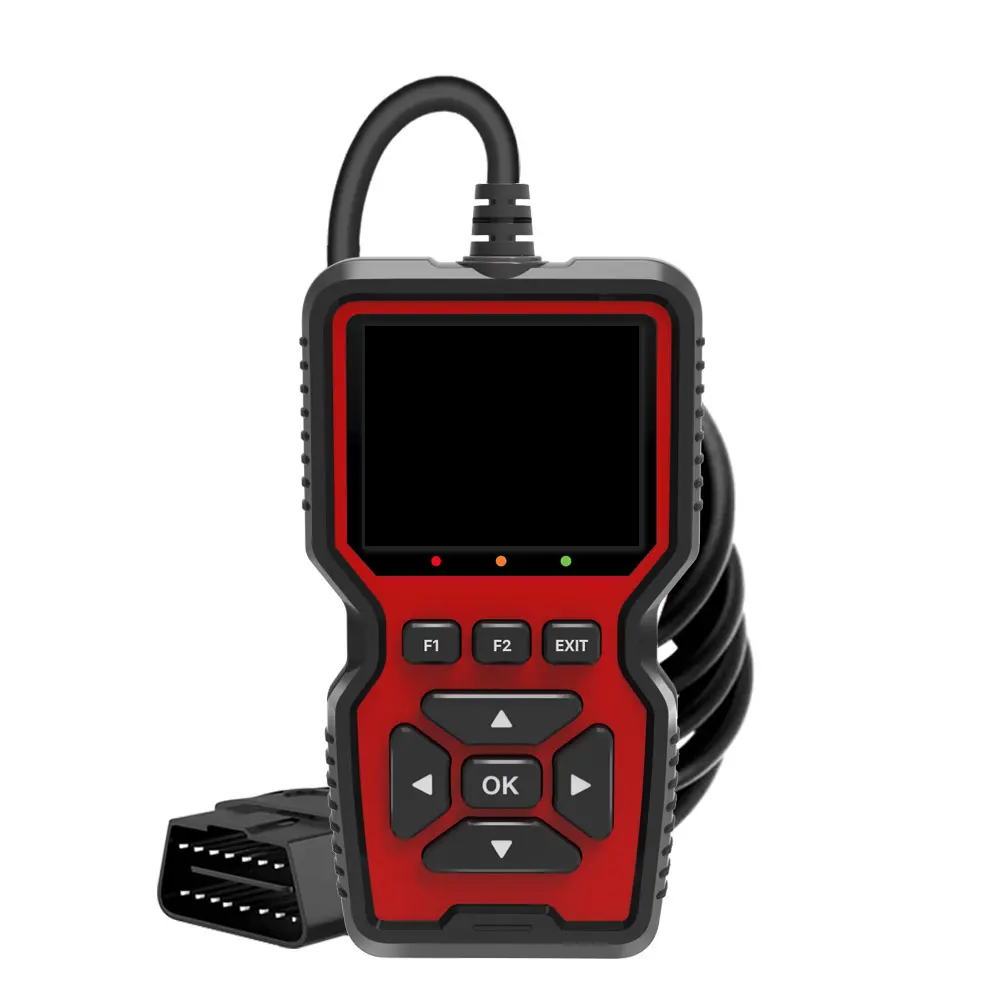
Diagnosis of C1724 requires a methodical approach, utilizing a digital multimeter (DMM) and a diagnostic scan tool capable of reading chassis codes and live data.
- Verify the DTC and Freeze Frame Data: Connect an OBD-II scan tool and confirm the presence of C1724. Record any accompanying freeze frame data, which can provide valuable information about operating conditions when the fault was set. Check for other related codes that might point to a specific sensor or general suspension system issue.
- Visual Inspection:
- Locate all air suspension height sensors (typically mounted to the control arms or body, with linkage to the suspension).
- Carefully inspect the wiring harnesses leading to each height sensor. Look for visible signs of damage, chafing, cuts, rodent damage, or corrosion, especially where the harness passes through sharp edges or close to moving parts.
- Inspect the sensor connectors for proper seating, signs of corrosion on the terminals, bent pins, or water intrusion. Disconnect and re-inspect if necessary.
- Check for Blown Fuses: Consult the vehicle’s service manual for the fuse box diagrams and identify the fuse(s) protecting the air suspension control module and height sensor circuits. Visually inspect and test suspected fuses for continuity using a DMM. Replace any blown fuses, but be aware that a blown fuse often indicates an underlying short circuit.
- Voltage and Continuity Checks (with DMM):
- Isolate the Suspect Circuit: Based on the vehicle architecture, try to determine if C1724 points to a specific sensor or a common power supply circuit. If not specified, test each sensor’s power circuit individually.
- Disconnect Sensor Connector: With the ignition OFF, disconnect the electrical connector from the suspect height sensor.
- Measure Power Supply Voltage: With the ignition ON (engine OFF), use a DMM to measure the voltage between the power supply pin at the harness connector (consult wiring diagrams for pinout) and a known good chassis ground. Compare this reading to the specified reference voltage (e.g., 5V or 12V).
- If 0V: Indicates an open circuit or short to ground upstream. Proceed to continuity test.
- If significantly lower than spec: Suggests high resistance, a partial short to ground, or a weak power supply from the SCM.
- If significantly higher than spec (e.g., 12V on a 5V circuit): Indicates a short to battery voltage in the wiring.
- Measure Ground Circuit Continuity: Measure resistance between the ground pin at the harness connector and chassis ground. It should be very low (typically less than 0.5 ohms). High resistance indicates a poor ground connection.
- Continuity of Power Wire (to SCM): With the battery disconnected and both the sensor connector and the SCM connector disconnected, use a DMM to check for continuity of the power supply wire from the SCM side to the sensor side. This confirms the wire is not internally broken. Also, check for continuity between the power supply wire and chassis ground (with both ends disconnected) to rule out a short to ground within the harness.
- SCM Output Voltage Test: If all wiring and sensor tests appear normal, and the fuse is good, use a scan tool capable of live data or special function tests to monitor the SCM’s reference voltage output or to command the system. If the SCM is not outputting the correct reference voltage, it may be faulty.
Recommended Repairs and Solutions
Once the root cause of C1724 is identified, apply the appropriate repair:
- Repair or Replace Damaged Wiring Harness: If visual inspection and DMM tests reveal a damaged, shorted, or open wire, perform a professional repair. Use appropriate gauge wire, solder connections securely, and protect the repair with heat-shrink tubing and electrical tape or automotive loom. Ensure the repaired section is routed away from moving parts or heat sources that could cause future damage. Address corroded connector terminals by carefully cleaning them with electrical contact cleaner or, if severely corroded, by replacing the connector entirely.
- Replace Faulty Air Suspension Height Sensor: If the sensor itself is determined to have an internal fault affecting its power circuit (e.g., tests confirm an internal short or open), replace it with a new, OEM-quality part. After replacing the sensor, it is often necessary to perform a ride height calibration or “learn-in” procedure using a capable diagnostic scan tool to ensure the SCM accurately interprets the new sensor’s signals.
- Replace Blown Fuse: If a blown fuse was the primary cause, replace it with a fuse of the correct amperage. However, always investigate why the fuse blew. If no external short is found in the wiring, the problem might lie within the sensor or the control module itself.
- Replace Suspension Control Module (SCM/ASCM): This should be considered a last resort, only after thoroughly ruling out all wiring, sensor, and fuse issues. If diagnostic tests point definitively to an internal SCM fault (e.g., no reference voltage output despite proper power and ground inputs to the module), then replacement is necessary. SCM replacement typically requires advanced diagnostic tools for programming, coding, or variant coding to the vehicle’s specific options and VIN.
- Clear DTCs and Verify Repair: After any repair, clear the C1724 code and any related DTCs using a scan tool. Perform a thorough road test, observing the suspension’s behavior and checking for the return of the fault code or the illumination of the warning light. Monitor live data for height sensor readings during the test if possible to ensure stable and correct operation.