What Does Code C1731 Mean?
DTC C1731 signifies an “Air Suspension LF Corner Up Timeout” condition. This diagnostic trouble code is set by the Suspension Control Module (SCM) or Air Suspension Control Module (ASCM) when the left front (LF) corner of the vehicle’s air suspension system fails to achieve its commanded “up” height within a predefined time limit. The SCM, upon receiving a command to raise the LF corner (e.g., during start-up, load leveling, or driver selection), activates the air compressor and opens the solenoid valve for the LF air spring. Concurrently, it monitors the signal from the LF ride height sensor. If the height sensor’s input does not register a sufficient increase in vehicle height, or if the rate of height increase is below the calibrated threshold, within the module’s internal timer, the SCM logs C1731. This indicates a functional inability of the LF suspension to respond adequately to an “up” command, implying a potential issue with air delivery, air retention, or height sensing at that specific corner. While the ECM/PCM typically monitors powertrain functions, it may log this code if reported by a networked SCM as part of a comprehensive vehicle diagnostic architecture.
Common Symptoms
- Visible sagging or a lower-than-normal stance at the left front of the vehicle.
- Uneven vehicle ride height, with the left front distinctly lower than other corners.
- A noticeable “Air Suspension Fault,” “Service Suspension,” or similar warning message displayed on the instrument cluster.
- The air suspension compressor running excessively or cycling on and off more frequently than usual, attempting to maintain ride height.
- A harsher or bumpier ride quality specifically at the left front due to the air spring being under-inflated or bottomed out.
- Audible hissing sounds emanating from the left front wheel well area, indicating an air leak.
What Causes the Code C1731?
- External Air Leak in LF Air Spring/Strut Assembly: The most prevalent cause, where air escapes from a ruptured air bladder, damaged seals, or a compromised strut body, preventing the corner from holding pressure.
- Faulty LF Air Spring Solenoid Valve: The valve, typically integrated into the air spring or an adjacent distribution block, may be stuck closed (preventing air inflow), stuck open (allowing air to escape), or operating too slowly, impeding proper inflation.
- Malfunctioning LF Ride Height Sensor: An inaccurate or failing sensor can provide incorrect height data to the SCM, making the module believe the corner is not rising even if it is, or not registering any movement. Physical damage, corrosion, or incorrect calibration can contribute to this.
- Weak or Failing Air Suspension Compressor: The compressor may not be generating sufficient air pressure or volume to rapidly inflate the LF air spring within the SCM’s specified timeout period, especially if there’s a minor leak present.
- Restriction or Damage in Air Line to LF Air Spring: A kinked, collapsed, pinched, or obstructed air line can prevent adequate air flow to the LF air spring.
- Internal SCM (Suspension Control Module) Fault: While less common, an internal SCM malfunction could lead to misinterpretation of sensor data or incorrect command signals to the air spring components.
- Electrical Circuit Issues: Open circuits, shorts, or excessive resistance in the wiring harnesses and connectors for the LF ride height sensor, the LF solenoid valve, or even the air compressor’s power supply circuit can directly impact system operation.
How to Diagnose and Troubleshoot
A systematic diagnostic approach is crucial for C1731:
- Initial Visual Inspection:
- Inspect the LF corner for obvious sagging or signs of impact damage.
- Carefully examine the LF air spring/strut for visible tears, cracks, or signs of dry rot.
- Check the air line routing from the compressor/distribution block to the LF air spring for kinks, chafing, or damage.
- Inspect all electrical connectors (LF height sensor, LF solenoid valve) for corrosion, loose pins, or physical damage.
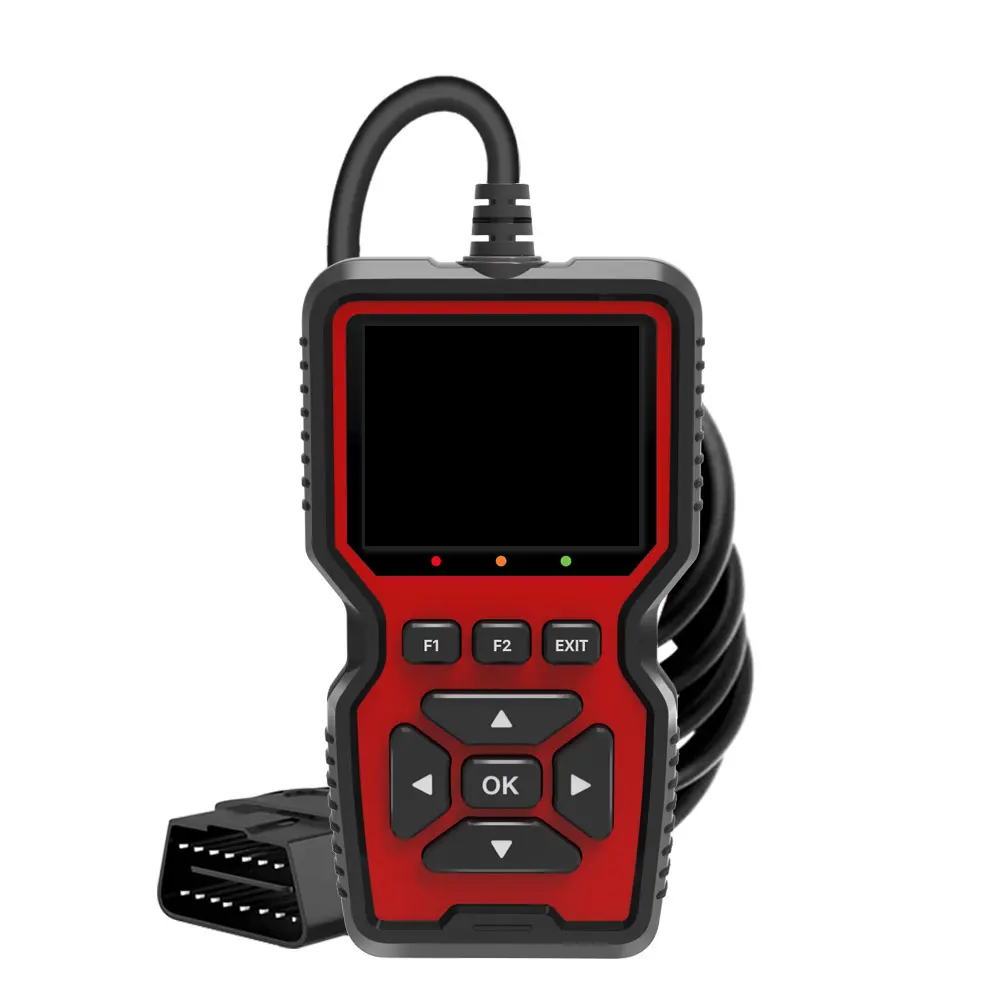
- OBD-II Scanner/Advanced Diagnostic Tool Analysis:
- Connect a capable diagnostic scanner and retrieve all stored DTCs from the SCM. Note any other related codes (e.g., height sensor faults, compressor performance codes).
- Access freeze frame data for C1731 to understand the conditions (vehicle speed, temperature, system pressure, etc.) present when the code was set.
- Navigate to SCM live data and monitor parameters such as: LF ride height sensor voltage/position, commanded height vs. actual height, air compressor status (on/off, duty cycle), and individual solenoid valve states.
- Perform active tests (bidirectional control) where available. Command the LF corner to raise and lower while monitoring live data and observing physical response. Listen for compressor operation and air leaks during these tests.
- Check the vehicle’s height calibration values within the SCM. An incorrect calibration, though less likely to directly cause a timeout, can exacerbate other issues.
- Air Leak Detection (Soap Test):
- With the system attempting to raise or hold height, spray a solution of soapy water (dish soap and water) on the entire LF air spring/strut assembly, air line connections, and the LF solenoid valve.
- Look for bubbles forming, which indicate an air leak. Pay close attention to the top and bottom seals, the air bladder material, and the air line fitting.
- Digital Multimeter (DMM) Testing:
- LF Ride Height Sensor: Disconnect the sensor and test its internal resistance (if specified by manufacturer). Reconnect and back-probe to test for proper 5V reference voltage and ground. Monitor the signal voltage output (typically 0.5V to 4.5V) across its range of motion. Manually articulate the suspension to check for smooth, consistent voltage changes.
- LF Solenoid Valve: Test the resistance of the solenoid coil (typically 5-15 ohms, consult service manual). Verify voltage supply to the solenoid when commanded “on” by the SCM (should be battery voltage).
- Wiring Integrity: Perform continuity and resistance checks on the wiring harnesses between the SCM and the LF height sensor, and the SCM and the LF solenoid valve, to rule out open circuits, shorts, or excessive resistance.
- Compressor Performance Check: If no significant leaks are found, assess the compressor’s ability to generate adequate pressure. Some systems allow monitoring of tank pressure via the scanner. If a pressure gauge can be safely adapted, measure the output pressure.
Recommended Repairs and Solutions
Once the root cause of C1731 has been pinpointed through diagnosis, the following repairs are typically recommended:
- Replace Leaking LF Air Spring/Strut Assembly: This is the most common repair. Ensure that the replacement part is of high quality and appropriate for the specific vehicle application. Pay careful attention to seating the air spring properly and securing all air line connections.
- Replace Faulty LF Air Spring Solenoid Valve: If the solenoid is found to be defective, it may be replaceable as a separate component or require replacement of the entire air spring assembly if integrated. Verify proper electrical connection and function after replacement.
- Replace Malfunctioning LF Ride Height Sensor: If DMM tests confirm a faulty height sensor, replace it. After replacement, a crucial step is to perform an air suspension system calibration using a capable diagnostic tool to ensure accurate ride height settings for all corners.
- Replace/Repair Weak or Failing Air Suspension Compressor: If the compressor is not meeting pressure specifications or is drawing excessive current, replacement is necessary. Always check the compressor relay and power supply circuit before condemning the compressor itself.
- Repair or Replace Damaged Air Line: If a kinked, chafed, or leaking air line is identified, repair or replace the affected section using appropriate pneumatic fittings and tubing. Ensure proper routing to prevent future damage.
- Address Electrical Circuit Issues: Repair any identified open circuits, shorts, or high-resistance connections in the wiring or connectors related to the LF corner components. Use OEM-grade repair techniques (e.g., soldering, heat shrink tubing).
- SCM Software Update or Replacement: If all components test good and wiring integrity is confirmed, consult the manufacturer’s service information for any available software updates for the SCM that might address known issues. As a last resort, if all else fails, SCM replacement may be necessary, often followed by programming and calibration.
Mechanic’s Tip: After any air suspension component replacement (especially air springs or height sensors), always perform a full system calibration using a factory-level diagnostic tool. This ensures the SCM accurately knows the vehicle’s true ride height and prevents potential issues or future DTCs related to incorrect leveling. Also, when working on air suspension, always use appropriate safety stands and secure the vehicle properly, as sudden air release or activation can be hazardous.