What Does Code C1737 Mean?
The diagnostic trouble code C1737 signifies an “Air Suspension RR Corner Up Timeout,” indicating that the Air Suspension Control Module (ASCM) or Suspension Control Module (SCM) has detected a failure in its attempt to raise the vehicle’s rear right (RR) corner to a commanded height within a specified timeframe. This code specifically points to an issue where the module activated the air compressor and opened the solenoid valve for the rear right air spring, expecting a corresponding increase in height sensor output, but this change did not occur sufficiently or at all within the pre-programmed “timeout” period. The ASCM monitors the vehicle’s height using multiple height sensors, typically one per wheel, to maintain the desired ride level. When C1737 is set, it means the rear right air spring either failed to inflate, inflated too slowly, or lost air pressure immediately after inflation, preventing the vehicle corner from achieving the commanded “up” position, thus triggering a system fault and often illuminating a warning lamp on the instrument cluster.
Common Symptoms
- Vehicle leaning or sagging: The most prominent symptom is a noticeable drop or lower stance of the vehicle on the rear right side, especially when parked or after driving.
- “Air Suspension Fault” or “Service Suspension” message: A warning message displayed on the instrument cluster indicating a malfunction within the air suspension system.
- Harsh or bumpy ride quality: The affected rear right corner may feel excessively stiff or soft, leading to poor ride comfort, especially over bumps.
- Audible air leaks: A hissing sound emanating from the rear right wheel well area, particularly when the compressor is running or shortly after the vehicle has been parked.
- Increased air compressor operation: The air suspension compressor may run more frequently or for longer durations than usual as it attempts to compensate for the inability to raise or maintain height at the rear right.
- Uneven tire wear: Prolonged imbalance in ride height can lead to accelerated and uneven tire wear on the rear right tire.
What Causes the Code C1737?
- Leaking Rear Right Air Spring/Air Bag: This is the most common cause. The rubber bladder of the air spring develops cracks, punctures, or fails at its seals, preventing it from holding air pressure.
- Faulty Rear Right Air Spring Solenoid Valve: The solenoid valve, typically integrated into the air spring assembly or part of an air distribution block, can become stuck open (allowing air to escape), stuck closed (preventing inflation), or suffer from an electrical malfunction.
- Leaking Air Line to the Rear Right Air Spring: The air supply line connecting the air distribution block or compressor to the rear right air spring may have developed a crack, a hole, or a loose fitting, leading to pressure loss.
- Malfunctioning Rear Right Height Sensor: The height sensor for the rear right wheel may be providing incorrect data to the ASCM, indicating the corner is not rising when it actually is, or failing to register movement altogether. This can be due to mechanical damage, electrical fault, or miscalibration.
- Wiring or Connector Issues: Corrosion, damage, or a loose connection in the wiring harness or connector leading to the rear right height sensor or the rear right air spring solenoid valve.
- Weak Air Suspension Compressor: While C1737 is corner-specific, a compressor that is weak or nearing the end of its life may struggle to generate sufficient pressure to overcome even minor leaks, especially at a single corner, within the allotted timeout period.
- Air Suspension Control Module (ASCM) Failure: Although less common, an internal fault within the ASCM could lead to incorrect command signals to the solenoid or misinterpretation of height sensor data, thereby falsely setting the code.
How to Diagnose and Troubleshoot
A systematic approach is crucial for diagnosing C1737:
- Visual Inspection:
- Begin with a thorough visual inspection of the rear right air suspension components. Look for any visible tears, cracks, or sagging in the air spring.
- Examine the air supply line leading to the rear right air spring for kinks, chafing, cuts, or loose fittings.
- Inspect electrical connectors and wiring for the rear right height sensor and air spring solenoid valve for corrosion, damage, or signs of being pulled loose.
- With the vehicle on a level surface, observe the vehicle’s stance. A noticeable lean or sag on the rear right side is a strong indicator of a physical air leak.
- Perform an audible leak test: With the engine off and the key in the accessory position (or running, if the compressor engages), listen carefully for any hissing sounds around the rear right air spring and air line connections. Applying soapy water to suspected leak points can help pinpoint small leaks.
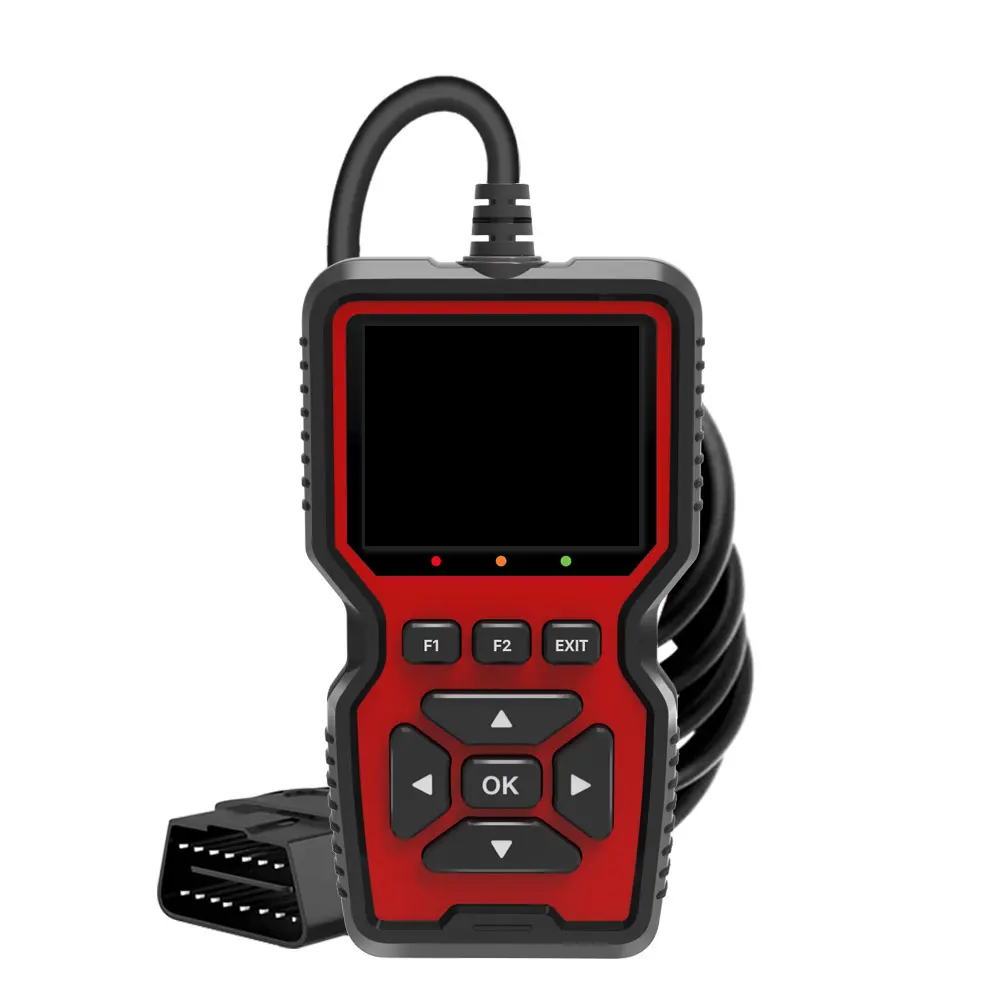
- OBD-II Scanner with Advanced Capabilities:
- Connect an advanced diagnostic scanner capable of communicating with the Air Suspension Control Module (ASCM).
- Retrieve and record all stored fault codes. Pay attention to any other related suspension codes that may provide additional clues.
- Access live data from the ASCM. Monitor individual wheel height sensor readings (front right, front left, rear right, rear left). Compare the rear right height sensor reading to the rear left to identify discrepancies.
- Observe the “commanded height” versus “actual height” parameters for the rear right wheel. If the actual height fails to match the commanded height, it confirms the system’s inability to lift the corner.
- If available, use bidirectional control functions to command the rear right air spring solenoid valve open and closed. Listen for an audible click from the solenoid. Monitor height sensor data during these commands to see if any movement or pressure change is detected.
- Clear the C1737 code and attempt to command the suspension to a higher setting. Observe if the code immediately returns or if the corner struggles to rise.
- Digital Multimeter (DMM) Testing:
- Rear Right Air Spring Solenoid: Disconnect the electrical connector from the rear right air spring solenoid. Using a DMM, measure the resistance across the solenoid terminals. Compare this reading to manufacturer specifications (typically a few ohms). An open circuit (infinite resistance) or a short circuit (near zero resistance) indicates a faulty solenoid. Also, check for voltage supply and ground at the solenoid connector when commanded by the ASCM (e.g., during an “up” command).
- Rear Right Height Sensor: Test the height sensor’s output voltage. Most height sensors are 3-wire sensors (5V reference, signal, ground). With the sensor connected and the ignition on, gently move the suspension arm up and down manually (if accessible) and observe the signal wire voltage change. It should vary smoothly within its operating range (e.g., 0.5V to 4.5V). Verify the 5V reference and stable ground supply at the sensor connector.
- Pressure Testing (Advanced):
- If an external air source and appropriate fittings are available, isolate the rear right air spring and its line. Apply regulated air pressure (e.g., 60-80 PSI) directly to the air spring and monitor for pressure loss over time using a gauge. This directly confirms the integrity of the air spring and its immediate line connections.
Recommended Repairs and Solutions
Based on the diagnostic findings, the following repairs and solutions are typically recommended:
- Replace Leaking Rear Right Air Spring: If visual inspection and/or pressure testing confirm a leak in the air spring, replacement is necessary. Ensure you use an OEM equivalent or higher-quality aftermarket part. Always replace associated O-rings and seals. It is often recommended to replace air springs in pairs (e.g., both rear air springs) to maintain balanced suspension performance, though for a direct leak causing C1737, the single faulty spring is the primary concern.
- Replace Faulty Rear Right Air Spring Solenoid Valve: If DMM testing indicates an electrical fault with the solenoid or if bidirectional control fails to actuate it, the solenoid must be replaced. In many designs, the solenoid is an integral part of the air spring assembly, meaning the entire air spring needs replacement. In other systems, the solenoid might be separately replaceable or part of an air distribution block.
- Repair or Replace Damaged Air Line: If a leak is identified in the air line, repair it using an OEM-approved air line repair kit with proper push-to-connect fittings, or replace the entire damaged section of the line with tubing of the correct diameter and pressure rating.
- Replace Malfunctioning Rear Right Height Sensor: If DMM testing or live data monitoring reveals an erratic or incorrect signal from the height sensor, it should be replaced. After replacement, a suspension calibration procedure using a capable diagnostic scanner is often required to ensure the ASCM accurately interprets the new sensor’s input.
- Repair Wiring and Connector Issues: Address any damaged, corroded, or loose wiring and connectors leading to the air spring solenoid or height sensor. Use appropriate wire repair techniques (soldering, heat shrink) and ensure clean, secure connections.
- Address Weak Compressor (if applicable): If the compressor is found to be weak or failing (often indicated by slow inflation of other corners or general low system pressure codes), it may need to be repaired or replaced. However, for a C1737 code specifically, focus primarily on the components directly affecting the rear right corner first.
- ASCM Reprogramming or Replacement: Only consider this as a last resort after all other components (air spring, solenoid, height sensor, wiring, air lines) have been thoroughly tested and confirmed to be functioning correctly. ASCM replacement usually requires specialized programming and calibration.
- Post-Repair Procedures: After any repair, clear the fault codes, perform an air suspension system leak test (if possible), and cycle the suspension through all its available height settings multiple times to ensure proper operation and to allow the system to self-level and recalibrate. A wheel alignment may be advisable if significant suspension components were replaced or disturbed.