What Does Code C1743 Mean?
Diagnostic Trouble Code C1743 indicates a fault within the Rear Sounder Circuit, specifically a short circuit to Vbatt (battery voltage). This code is typically reported by a Body Control Module (BCM), Park Assist Module (PAM), or another auxiliary control unit responsible for audible alerts in the rear of the vehicle, rather than the Engine Control Module (ECM) or Powertrain Control Module (PCM). The “Rear Sounder” generally refers to an audible warning device used for systems such as the Park Assist System (PDC/PAS), vehicle security system, or other driver assistance features that require an audible alert originating from the rear of the vehicle. The control module monitors the voltage and current draw on the sounder’s circuit. When the module detects that the sounder’s control or power supply circuit is continuously receiving battery voltage (Vbatt) when it should be at a lower potential, an open state, or modulated, it registers this anomalous condition as a short to Vbatt and sets the C1743 code. This prevents the module from properly controlling the sounder, potentially leading to a continuous ‘on’ state, a continuously ‘off’ state, or erratic operation of the associated system.
Common Symptoms
- Inoperative Rear Park Assist System: The most common symptom, where the rear parking sensors fail to provide audible warnings.
- Constant Rear Audible Alert: The rear sounder may emit a continuous tone or buzzing sound, even when no obstruction is present or the vehicle is not in reverse.
- No Audible Alert from Rear Sounder: The sounder may be completely silent, indicating the module has disabled the circuit due to the short.
- Warning Light on Instrument Cluster: A ‘Park Assist Malfunction’ or similar warning lamp may illuminate.
- Reduced Functionality of Related Systems: Other features controlled by the same module might exhibit intermittent operation or become inoperative.
What Causes the Code C1743?
- Damaged Wiring Harness: Chafed, pinched, or cut wiring between the control module and the rear sounder, causing the sounder circuit wire to make direct contact with a fused 12V power supply wire or the vehicle’s chassis, which then gets direct battery voltage.
- Faulty Rear Sounder Unit: An internal electrical short within the sounder module or speaker itself, causing its input circuit to draw excessive current or present a constant low resistance path to Vbatt.
- Corroded Electrical Connectors: Corrosion within the connectors for the rear sounder or the associated wiring harness, creating an unintended conductive path to Vbatt.
- Water Intrusion: Water entering the rear sounder unit or its associated wiring/connectors, causing a short circuit.
- Aftermarket Accessory Interference: Improper installation of aftermarket electrical components that could inadvertently cross-connect with the sounder’s circuit.
How to Diagnose and Troubleshoot
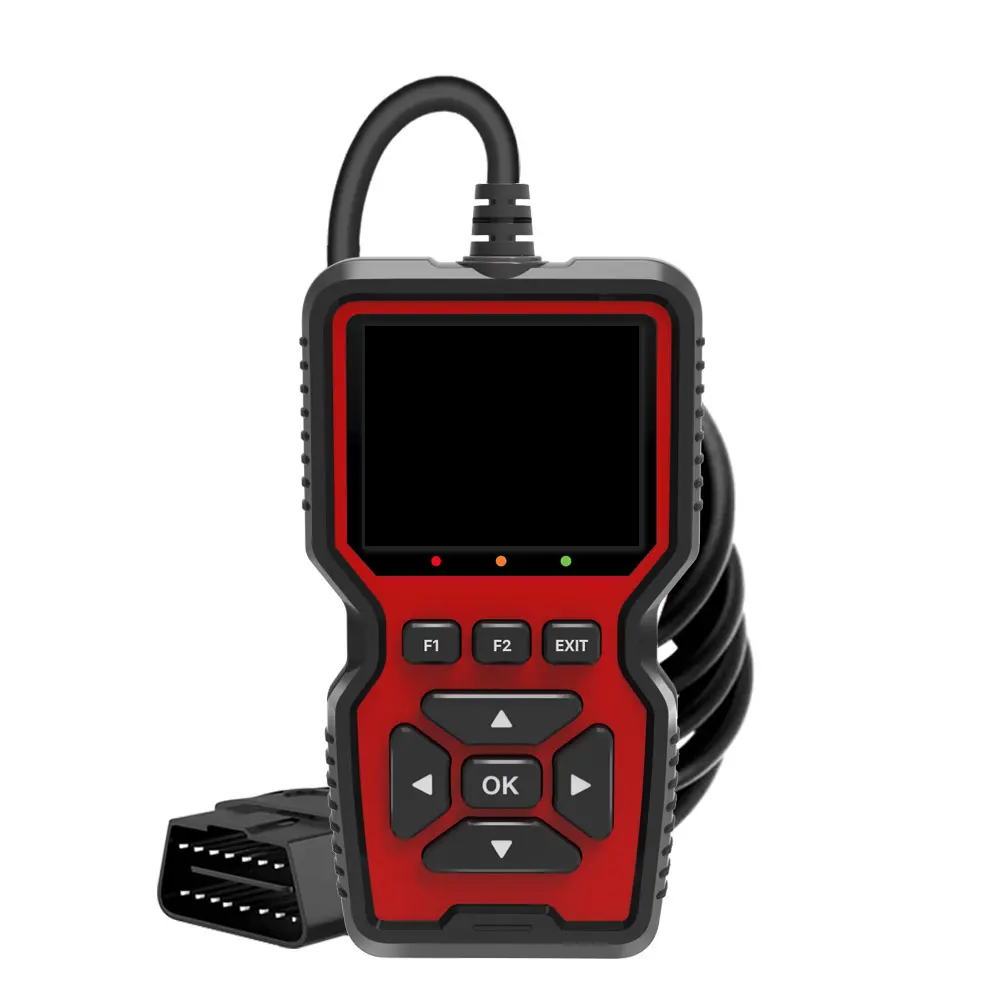
Diagnosis of C1743 requires a systematic approach using a suitable scan tool and a Digital Multimeter (DMM).
- Verify Code and Gather Information: Connect an OBD-II scanner capable of communicating with the relevant body/chassis modules (e.g., BCM, PAM). Confirm C1743 is present and check for any related or accompanying codes that might provide further clues. Note any freeze frame data.
- Visual Inspection:
- Locate the rear sounder unit, often situated in the trunk, rear parcel shelf, or behind a rear trim panel.
- Carefully inspect the wiring harness leading to the rear sounder and the sounder unit itself. Look for obvious signs of damage such as chafing, cuts, pinching, or signs of heat damage.
- Check all associated electrical connectors for corrosion, bent pins, loose terminals, or signs of water intrusion.
- Trace the wiring harness back towards the control module as much as feasible, paying close attention to areas where wiring passes through body panels, trunk hinges, or near sharp edges.
- Isolate the Rear Sounder:
- With the vehicle’s ignition OFF, disconnect the electrical connector from the rear sounder unit.
- With the connector disconnected, turn the ignition ON and re-check for the C1743 code. If the code disappears, the fault likely lies within the rear sounder unit itself. If the code persists, the fault is likely in the wiring harness or the control module.
- Test the Wiring Harness (Sounder Disconnected):
- Check for Short to Vbatt: Using your DMM set to DC voltage, probe the signal/control wire terminal at the sounder’s disconnected harness connector, with the ignition ON. The other DMM lead should be connected to a known good chassis ground. If you measure battery voltage (approx. 12V) on the signal/control wire, a short to Vbatt exists within the harness between the control module and the sounder.
- Check for Short to Ground: Set the DMM to resistance (ohms). With the ignition OFF and the control module connector potentially disconnected (to isolate the harness completely), probe the signal/control wire terminal to a known good chassis ground. A reading close to 0 ohms indicates a short to ground, which, while not C1743, could cause other issues or be related.
- Check for Continuity: If the sounder has a dedicated power and ground, check for proper continuity to the control module for each wire. If a wire has an open circuit, it would cause a different fault, but it’s good to rule out.
- Test the Rear Sounder Unit (if code disappeared after disconnection):
- With the sounder unit removed, use a DMM to check its internal resistance or for any internal shorts between its terminals. While exact specifications vary, an internal short to Vbatt within the sounder itself would be identified by an unexpected low resistance between a signal input and a power input, or between any two pins that should be isolated. Some sounders are simple speakers, others are integrated electronic modules.
- Applying a small, controlled voltage (e.g., from a 9V battery, exercising caution) to the sounder’s terminals can sometimes verify basic functionality, but be mindful of voltage ratings.
- Control Module Self-Test/Diagnostics: If all wiring and the sounder unit check out, and the code persists, the possibility of an internal fault within the control module (BCM, PAM, etc.) must be considered, although this is less common for a direct short to Vbatt fault. Some modules have internal diagnostic capabilities accessible via advanced scan tools.
Recommended Repairs and Solutions
The resolution for C1743 depends directly on the diagnostic findings:
- Repair Damaged Wiring: If the diagnosis points to a short to Vbatt in the wiring harness, the damaged section of the wire must be repaired or replaced. Use high-quality, automotive-grade wire of the correct gauge, heat-shrink tubing, and solder for durable connections. Ensure the repaired section is properly routed and secured to prevent future chafing or pinching.
- Replace Faulty Rear Sounder Unit: If the internal short is found within the rear sounder unit, it must be replaced with a new OEM (Original Equipment Manufacturer) or equivalent quality aftermarket part. Ensure proper fitment and connection.
- Clean or Replace Corroded Connectors: If corrosion is found, clean the affected terminals using electrical contact cleaner and a small brush. If corrosion is severe and has damaged the terminals or housing, replace the connector. Apply dielectric grease to protect against future corrosion.
- Address Water Intrusion: If water ingress is identified as the cause, not only must the affected components be replaced or repaired, but the source of the water leak must also be identified and sealed to prevent recurrence.
- Module Replacement (Rare): Only if all other components and wiring have been thoroughly tested and verified as good, and the control module is definitively identified as the source of the short to Vbatt, should it be considered for replacement. This is typically a last resort due to cost and programming requirements.
After any repair, clear the diagnostic trouble codes using a scan tool and perform a functional test of the associated system (e.g., engage reverse to test the park assist system) to ensure the issue is resolved and the code does not return.