What Does Code C1756 Mean?
DTC C1756 indicates an electrical fault within the front height sensor signal circuit for the vehicle’s air suspension system, specifically a “High Signal” condition. This implies that the Suspension Control Module (SCM), or the relevant suspension control unit, is receiving a voltage signal from the front height sensor that is continuously above the expected maximum operating threshold. Instead of a typical sensor output range (e.g., 0.5V to 4.5V), the signal wire is reporting a voltage that the module interprets as an implausibly high height measurement, or it could be shorted directly to a voltage source. The SCM continuously monitors the output voltage from the height sensors to determine the current ride height. When the sensor’s signal voltage deviates beyond its calibrated maximum high limit for a specified period, the SCM registers this anomaly, stores the C1756 diagnostic trouble code, and illuminates the relevant warning indicator, often placing the suspension system into a failsafe mode to prevent further damage or unstable driving conditions. This code specifically points to an issue with the electrical integrity of the sensor’s signal circuit, rather than a mechanical failure of the sensor linkage.
Common Symptoms
- Suspension Warning Light: An illuminated “Air Suspension,” “Service Suspension,” or similar warning message on the instrument cluster.
- Incorrect Ride Height: The front of the vehicle may be abnormally high, sagged, or uneven, as the system struggles to correctly interpret or respond to the faulty sensor input.
- Harsh or Unstable Ride: Due to improper air spring inflation/deflation caused by erroneous sensor data, leading to compromised handling and ride comfort.
- Inability to Adjust Ride Height: The air suspension system may cease to respond to manual ride height adjustments or fail to maintain a level stance automatically.
- Vehicle Nosing Down/Up: The vehicle may exhibit an unusual stance, with the front appearing too high or too low compared to the rear, depending on how the SCM reacts to the high signal input.
What Causes the Code C1756?
- Faulty Front Height Sensor: The sensor itself may have an internal short circuit to its own internal voltage reference or power supply, causing it to output a consistently high voltage signal regardless of actual height.
- Wiring Harness Short to Voltage: The signal wire for the front height sensor may be chafed, pinched, or damaged, causing it to intermittently or continuously short to a power source (e.g., 12V battery voltage or a 5V reference supply) within the vehicle’s wiring harness.
- Open Circuit in Ground Wire: While “high signal” typically implies a short to voltage, an open circuit in the sensor’s ground reference wire can sometimes cause the signal wire to “float” to a high voltage, as it loses its proper ground reference.
- Corroded or Damaged Connector Pins: Corrosion, bent pins, or loose connections within the front height sensor connector or the corresponding SCM connector can create an intermittent or permanent high-resistance path, leading to erroneous high voltage readings.
- Faulty Suspension Control Module (SCM): Although less common, an internal fault within the SCM’s input circuit for the front height sensor can cause it to misinterpret the sensor’s signal as being constantly high.
How to Diagnose and Troubleshoot
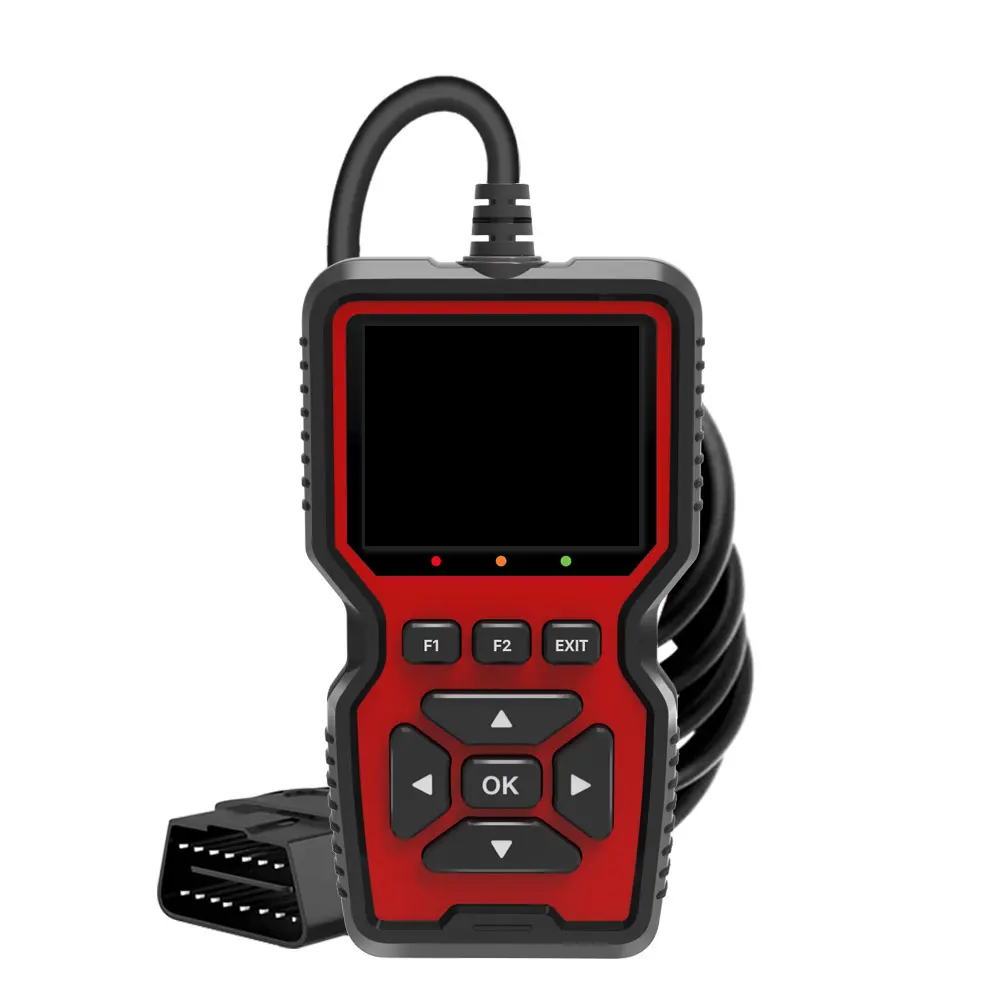
Diagnosis of C1756 requires a systematic approach using a capable scan tool and a digital multimeter (DMM).
- Retrieve and Analyze Freeze Frame Data: Connect an OBD-II scan tool and retrieve the C1756 code. Pay close attention to any freeze frame data associated with the code, noting parameters like vehicle speed, engine RPM, and ride height values at the time the code was set. This can provide clues about the conditions under which the fault occurred.
- Visual Inspection: Perform a thorough visual inspection of the front height sensor, its mounting linkage, and the entire wiring harness leading from the sensor back to the Suspension Control Module (SCM). Look for obvious signs of physical damage, corrosion, chafing, pinching, or loose connections. Inspect the sensor connector and the SCM connector for bent, corroded, or pushed-out pins.
- Verify Sensor Supply Voltage: Disconnect the front height sensor electrical connector. Using a DMM, check the voltage between the sensor’s 5V (or sometimes 12V) reference voltage supply pin and the ground pin at the harness connector. Ensure the supply voltage is within specifications (e.g., 4.8V-5.2V for a 5V reference). A missing or incorrect supply voltage can affect sensor output.
- Verify Sensor Ground: With the DMM set to resistance (ohms), check for continuity between the sensor’s ground pin at the harness connector and a known good chassis ground. A reading close to 0 ohms indicates a good ground. High resistance or an open circuit can cause signal anomalies.
- Inspect Signal Circuit Integrity:
- With Sensor Disconnected: Reconnect the SCM. Back-probe the signal wire at the front height sensor harness connector. If the DMM reads a high voltage (e.g., 12V or 5V, depending on the system’s power supply), this indicates a short to voltage in the wiring harness between the sensor connector and the SCM.
- With Sensor Connected (Static Test): Reconnect the sensor. With the ignition ON (engine OFF), back-probe the signal wire at the sensor connector. Note the voltage. Manually move the suspension linkage (if possible and safe) through its range of motion. The signal voltage should change smoothly and proportionally. If the voltage remains high or pegs at maximum, the sensor is likely faulty or the circuit has an issue.
- Continuity Check (Harness): Disconnect both the sensor and the SCM connectors. Use the DMM to check for continuity of the signal wire from the sensor connector to the SCM connector. A reading near 0 ohms is expected. Also, check for shorts to ground and shorts to power in the signal wire by probing it against chassis ground and any B+ (battery voltage) wires in the harness.
- Scan Tool Data Monitoring: If the sensor appears to be working electrically on a static test, use the scan tool’s data stream function to monitor the live front height sensor voltage parameter. Drive the vehicle slowly over varying terrain or manually cycle the suspension to observe the sensor’s voltage output. Erratic readings, sudden spikes to maximum voltage, or a consistently high reading indicate an issue with the sensor or its circuit under dynamic conditions.
- SCM Self-Test/Calibration: If all sensor and wiring checks confirm integrity, and no fault is found, a faulty SCM is a possibility, though rare. Some scan tools allow for specific SCM self-tests or input voltage monitoring at the module itself.
Recommended Repairs and Solutions
The repair strategy for C1756 is directly dependent on the diagnostic findings:
- Replace Faulty Front Height Sensor: If diagnostic steps confirm that the front height sensor itself is providing an incorrect, consistently high, or erratic signal output, replacement is necessary. Always ensure to use an OEM-quality replacement part for optimal performance and longevity.
- Repair or Replace Wiring Harness: If a short to voltage, open circuit in the ground, or physical damage to the wiring harness is identified, the affected section of the wiring should be carefully repaired or replaced. Use appropriate automotive-grade wire and sealed connectors to prevent future issues from moisture ingress. When splicing, ensure solder connections are secure and heat-shrink tubing is used.
- Clean or Repair Connectors: If corrosion or bent pins are found in either the sensor connector or the SCM connector, meticulously clean the corrosion using electrical contact cleaner and a small brush. Carefully straighten any bent pins. If the connector is severely damaged, replacement of the connector body and terminals may be required.
- Replace Suspension Control Module (SCM): This should be considered a last resort, only after thoroughly verifying that the sensor and all associated wiring and connectors are unequivocally functioning correctly. Replacing the SCM often requires specialized programming and calibration using a factory-level diagnostic tool to ensure proper communication and function with the vehicle’s other control modules and suspension components.
- Perform Suspension System Calibration: After replacing any height sensor or suspension module, it is critically important to perform a full air suspension system calibration using a compatible scan tool. This procedure teaches the SCM the new sensor’s zero point and verifies the correct ride height values, preventing further ride height discrepancies and diagnostic trouble codes.