What Does Code C1763 Mean?
The diagnostic trouble code (DTC) C1763 signifies an electrical fault within the signal circuit of the rear air suspension height sensor. Specifically, the vehicle’s Air Suspension Control Module (ASCM) or Body Control Module (BCM), depending on the vehicle architecture, has detected that the “High (SE) Signal Circuit” (often indicating a single-ended, positive-going voltage signal) from the rear height sensor is experiencing a short to ground.
The rear height sensor is typically a potentiometric or Hall-effect type sensor that provides a variable voltage signal to the control module, indicating the current ride height of the vehicle’s rear axle. This signal is critical for the ASCM to accurately monitor and adjust air spring pressure, thereby maintaining the desired ride height and levelness, particularly under varying load conditions or dynamic driving scenarios.
When a short to ground occurs in the signal circuit, the voltage on the sensor’s signal line is pulled abnormally low, often near 0 volts. The ASCM/BCM continuously monitors this signal, expecting it to fall within a specified operational voltage range. If the detected voltage consistently deviates significantly below the minimum expected threshold, indicating a direct ground condition on the signal line where a varying voltage should be present, the module interprets this as an electrical circuit fault and sets DTC C1763. This condition prevents the module from receiving accurate height information, severely impairing the air suspension system’s ability to function correctly and potentially leading to ride height inconsistencies, loss of self-leveling capability, or complete system failure.
Common Symptoms
- Uneven Vehicle Ride Height: The rear of the vehicle may sit noticeably lower or higher than intended, often on one side, due to inaccurate sensor input preventing proper air spring adjustment.
- Air Suspension Warning Light Illumination: An indicator light on the instrument cluster, typically a dedicated air suspension system fault warning or a general chassis system fault, will illuminate.
- Harsh or Bumpy Ride Quality: Without proper height control, the suspension may inadvertently bottom out or ride on its bump stops, leading to reduced ride comfort and compromised handling dynamics.
- Excessive Air Compressor Operation: The air suspension compressor may run continuously or excessively, attempting to achieve a target ride height but failing due to incorrect or absent sensor feedback, potentially leading to premature wear or failure of the compressor unit.
- Diagnostic Trouble Codes (DTCs): Other related air suspension DTCs may also be present, indicating a wider system malfunction stemming from the primary height sensor fault.
What Causes the Code C1763?
- Damaged or Chafed Wiring Harness: The signal wire for the rear height sensor circuit may be physically abraded, pinched, or cut, causing it to contact the vehicle’s chassis, frame, or another grounded component. This is particularly common in areas exposed to road debris, vibration, or movement from suspension articulation.
- Corrosion in Electrical Connectors: Moisture, road salt, or other environmental contaminants can intrude into the height sensor’s electrical connector or intermediate wiring harness connectors, leading to terminal corrosion and creating a low-resistance path to ground.
- Faulty Rear Height Sensor: Although less common for a direct short to ground, an internal defect within the sensor itself, such as damaged internal circuitry or component failure, could cause its signal output to short to its internal ground path.
- Internal Short in the Air Suspension Control Module (ASCM/BCM): In very rare instances, an internal fault within the control module itself could cause the signal input circuit to be internally shorted to ground. This is typically considered after all external wiring and sensor integrity have been thoroughly verified.
How to Diagnose and Troubleshoot
Diagnosing C1763 requires a systematic and meticulous approach focusing on the electrical integrity of the rear height sensor circuit. Safety precautions, such as disconnecting the battery when performing extensive electrical checks, should always be observed.
- Preliminary Visual Inspection:
- Inspect the rear height sensor, its mounting, and the entire length of its wiring harness for obvious signs of physical damage, chafing, cuts, or abrasion. Pay particular attention to areas where the harness routes near moving suspension components, exhaust system, or sharp edges on the frame.
- Examine the electrical connector at the sensor for signs of corrosion, bent pins, pushed-out terminals, or water intrusion. Follow the harness back to any intermediate connectors and the control module, inspecting them similarly.
- Verify that the sensor’s mechanical linkage (if applicable) is intact, not bent, seized, or obstructed, as mechanical issues can sometimes lead to electrical stress or indirect damage.
- Scan Tool Data Analysis:
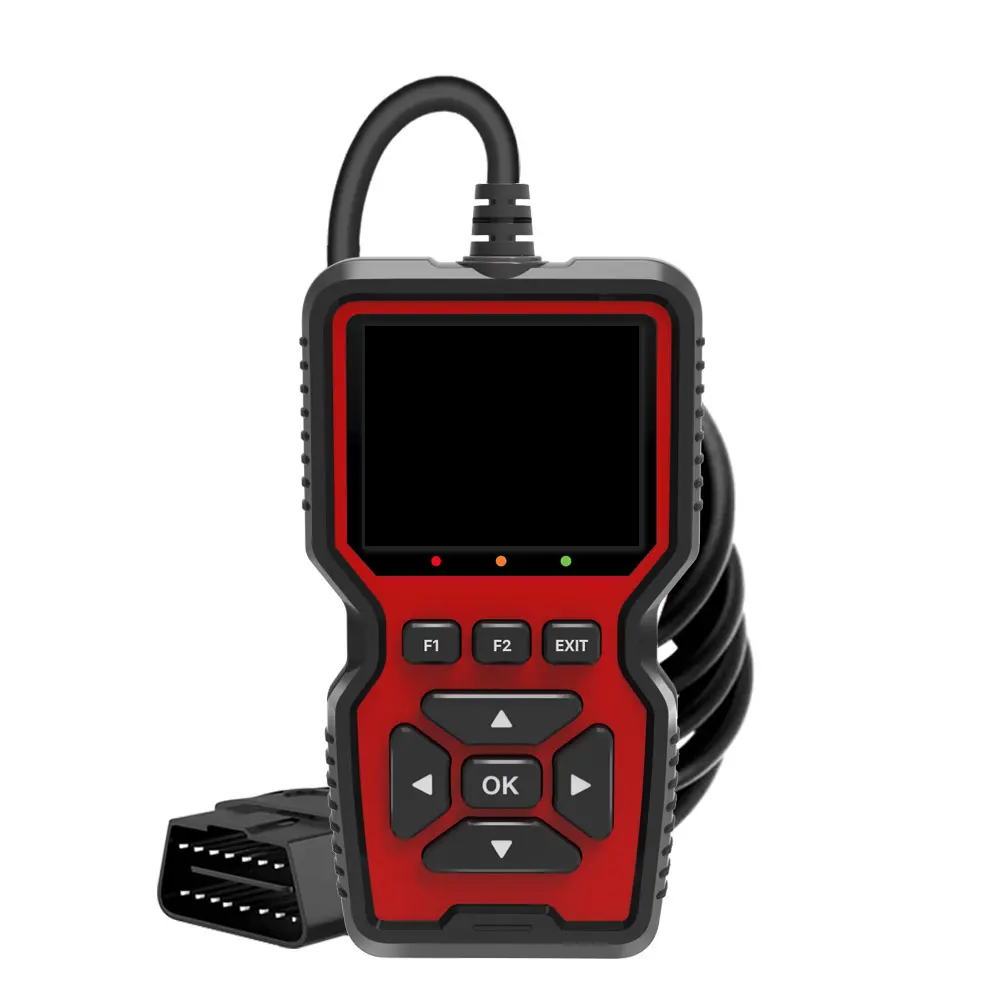
- Connect an OBD-II diagnostic scanner capable of accessing chassis module (ASCM/BCM) live data.
- Navigate to the Air Suspension Control Module and observe the live data parameter for the rear height sensor(s). With DTC C1763 present, you should observe the signal voltage stuck at or near 0 volts, regardless of vehicle height.
- While monitoring the sensor voltage, gently wiggle the wiring harness and connectors, especially at suspected damage points. Any fluctuation from 0V could indicate an intermittent short that is being momentarily broken.
- Check for related DTCs that might provide additional clues to the source of the electrical fault.
- Voltage and Continuity Checks (Using a Digital Multimeter – DMM):
- Isolate the Circuit: Disconnect the electrical connector from the rear height sensor. If possible, disconnect the relevant connector at the ASCM/BCM to fully isolate the wiring segment under test.
- Verify Reference Voltage (Power to Sensor): With the ignition ON (engine OFF) and the sensor disconnected, use a DMM to measure the voltage between the sensor’s power supply pin (typically 5V or 12V, consult wiring diagrams) at the harness side connector and a known good chassis ground. Ensure the reference voltage is present and stable.
- Verify Sensor Ground: With the ignition OFF and sensor disconnected, use a DMM in resistance (Ohms) mode to measure resistance between the sensor’s ground pin at the harness side connector and a known good chassis ground. A reading close to 0 Ω indicates a good ground connection.
- Check for Short to Ground on the Signal Wire:
- Set your DMM to the “Ohms” (Ω) setting.
- Identify the signal wire for the rear height sensor at the harness side connector (leading back to the control module) using a wiring diagram.
- Place one DMM lead on the signal pin of the harness connector and the other lead on a known good chassis ground.
- A reading close to 0 Ω (or audible continuity) indicates a direct short to ground in the wiring between the harness connector and the control module. A reading of infinity (OL – Open Line) is expected if the wiring is intact and not shorted.
- If a short is detected, visually trace the wire path, flexing the harness to try and isolate the shorted section.
- Inspect the Sensor Itself (Internal Short):
- If the wiring harness tests good (no short to ground), the fault may be internal to the sensor. With the sensor disconnected, measure the resistance between the signal output pin and the ground pin directly on the sensor side. While internal shorts causing a hard C1763 are less common, an abnormally low resistance (close to 0 Ω) could indicate an internal fault. Compare with manufacturer specifications if available.
Recommended Repairs and Solutions
The primary objective for resolving DTC C1763 is to identify and rectify the electrical short to ground within the rear height sensor’s signal circuit. Repair methodologies will vary based on the root cause identified during diagnosis.
- Repair or Replace Damaged Wiring: Once the exact location of the short is pinpointed (often through careful tracing and continuity testing), the damaged section of the wiring harness must be repaired. This typically involves cutting out the compromised wire segment and splicing in a new section of appropriate gauge wire using proper soldering techniques and insulated heat-shrink tubing. For extensive or inaccessible damage, replacement of the entire sub-harness may be more practical. Ensure all repairs are robust and thoroughly weatherproofed to prevent recurrence.
- Clean or Replace Corroded Connectors: If corrosion is found at the sensor connector or any intermediate harness connectors, thoroughly clean the affected terminals using an electrical contact cleaner and a small brush or pick. If corrosion is severe, or terminals are bent, broken, or suffering from significant pitting, the connector housing and individual terminals should be replaced. Apply a thin layer of dielectric grease to new or cleaned connections to inhibit future corrosion.
- Replace Faulty Rear Height Sensor: If all wiring and connectors test conclusively good, and diagnostic checks indicate an internal short within the sensor itself (e.g., through resistance measurements on the sensor’s pins), then the rear height sensor requires replacement. Ensure the new sensor is correctly installed, and its mechanical linkage (if applicable) is properly connected and articulates freely throughout its range of motion.
- Replace Air Suspension Control Module (ASCM/BCM): This is considered a last resort. Only proceed with control module replacement after all external wiring, connectors, and the height sensor itself have been meticulously tested and confirmed to be absolutely fault-free. An internal module short is rare for a direct “short to ground” DTC, as these typically indicate an external circuit fault. If a new control module is installed, it will almost certainly require programming or calibration to the vehicle’s specific configuration using a factory-level scan tool.
After any repair, clear the DTCs with a scan tool and perform a functional test of the air suspension system. Verify that the rear height sensor live data now displays a correct and varying voltage signal as the vehicle’s ride height changes (e.g., by loading the trunk, lifting the vehicle, or manually cycling the suspension if the vehicle supports it). A complete air suspension system calibration may be required after replacing a height sensor or control module to ensure proper ride height accuracy and system performance.