What Does Code C1793 Mean?
DTC C1793 signifies an electrical fault within the vehicle’s active or semi-active air suspension system, specifically indicating a short to ground in the output circuit for the Left Rear (LR) air spring or shock absorber solenoid. The Air Suspension Control Module (ASCM), also known as the Ride Height Control Module or an integrated body control module (BCM), continuously monitors the electrical characteristics of the circuits it controls. When C1793 is set, the ASCM has detected an abnormally low resistance or an unintended pathway for current directly to the vehicle’s chassis ground on the circuit designed to actuate the LR air spring or shock solenoid. This condition typically results in an excessively high current draw or a voltage reading significantly below the expected operational range for the solenoid circuit. The solenoid’s function is crucial for either regulating air pressure within the air spring (for height adjustment) or controlling damping forces within an electronically controlled shock absorber. A short to ground prevents the ASCM from effectively commanding the desired position or damping characteristic for the LR suspension corner, compromising vehicle stability, ride quality, and proper ride height management.
Common Symptoms
- Air Suspension Warning Light Illumination: A dedicated warning indicator, often amber or red, will illuminate on the instrument cluster.
- Abnormal Left Rear Vehicle Ride Height: The left rear of the vehicle may sit noticeably lower than the other corners, or it may fail to adjust its height when commanded, appearing either too low or potentially too high if the system enters a fail-safe mode.
- Compromised Ride Quality: If the solenoid controls active damping, the ride quality at the left rear may become excessively harsh, bouncy, or unusually soft due to the inability to properly adjust the shock absorber’s characteristics.
- Excessive Air Compressor Operation: The air suspension compressor may run more frequently or continuously in an attempt to correct the perceived ride height imbalance, often without success, leading to potential compressor overheating or failure.
- Inability to Adjust Ride Height: The driver may lose the ability to manually select or change the vehicle’s ride height settings via interior controls.
What Causes the Code C1793?
- Damaged Wiring Harness: Chafed, pinched, or cut insulation on the wiring leading to the Left Rear air spring/shock solenoid, causing the conductor to directly contact the vehicle’s chassis or another grounded component.
- Internal Solenoid Failure: The solenoid itself may have developed an internal short-to-ground due to a breakdown of insulation within its electromagnetic coil winding or a manufacturing defect.
- Corroded or Damaged Electrical Connector: Water intrusion, road salt, or physical damage can lead to severe corrosion within the electrical connector for the LR air spring/shock solenoid, creating a conductive bridge between the power/control circuit and a ground path.
- Faulty Air Spring/Shock Absorber Assembly: In systems where the solenoid is an integral, non-serviceable part of the air spring or shock absorber unit, an internal fault within the complete assembly could cause the solenoid circuit to short to ground.
- Impact Damage or Road Debris: Physical trauma from road hazards, impacts, or debris can damage the air spring/shock unit or its associated wiring, leading to a short.
How to Diagnose and Troubleshoot
Diagnosis of C1793 requires a systematic approach, combining visual inspection with precise electrical testing:
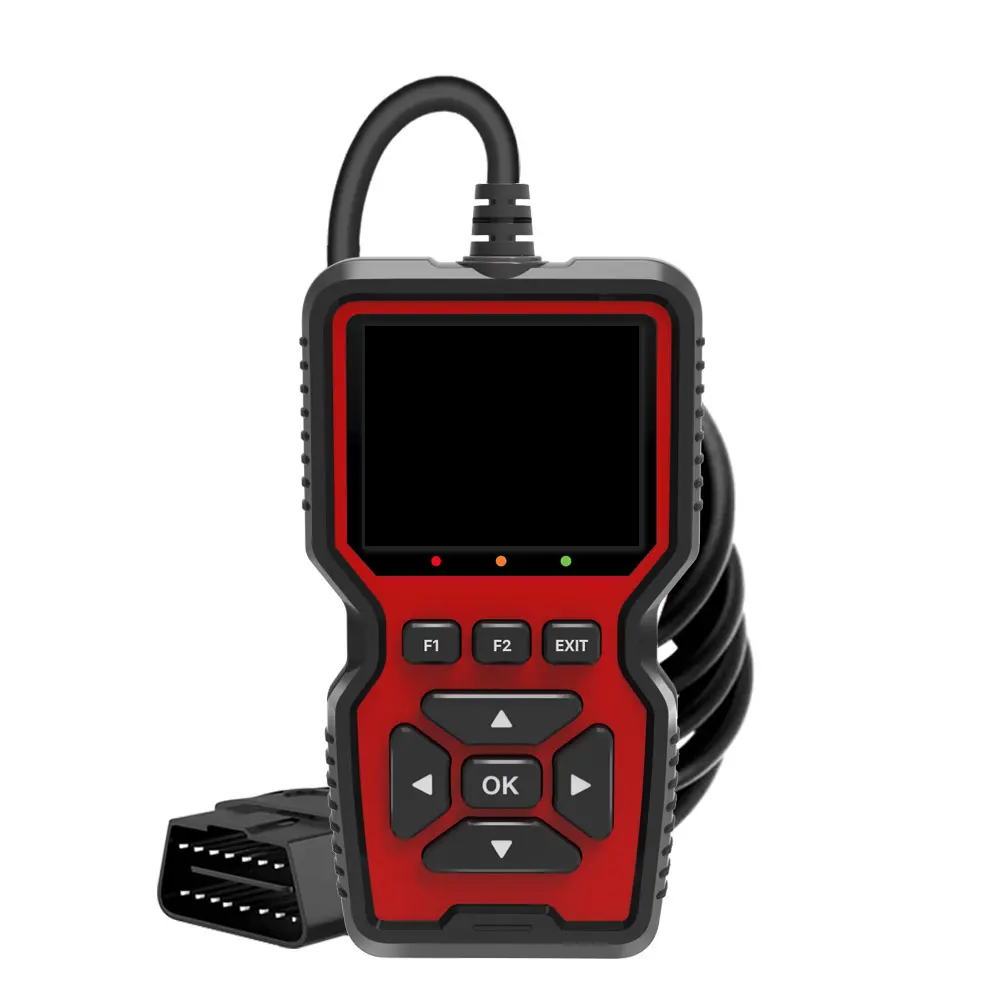
- Retrieve All DTCs and Freeze Frame Data: Connect an advanced OBD-II scanner to the vehicle. Access the Air Suspension Control Module (ASCM) or relevant chassis control module. Record all present and pending DTCs, along with any available freeze frame data. Freeze frame data provides crucial information about vehicle conditions (speed, engine load, sensor readings) at the moment the fault was detected.
- Thorough Visual Inspection:
- Locate the Left Rear air spring/shock absorber and its associated electrical connector and wiring harness.
- Carefully inspect the entire length of the wiring harness leading from the solenoid back towards the control module. Look for any signs of chafing against sharp edges, pinching, cuts, abrasion, or excessive tension, particularly where the harness passes through grommets, clips, or near moving suspension components.
- Examine the electrical connector itself for the LR solenoid. Disconnect it and inspect both male and female terminals for bent pins, corrosion (green or white powdery residue), water intrusion, or foreign debris.
- Electrical Resistance Test of Solenoid (DMM):
- With the LR air spring/shock solenoid electrical connector disconnected from the wiring harness, use a Digital Multimeter (DMM) set to ohms (Ω).
- Measure the resistance across the two terminals of the solenoid itself (if it’s a two-wire solenoid). Compare this reading to manufacturer specifications. An internal short will typically show a very low resistance (near 0 ohms). An open circuit (OL or infinite resistance) indicates a break but is not consistent with a “short to ground.”
- Next, measure the resistance between each solenoid terminal and a known good chassis ground point on the vehicle. Any reading near 0 ohms indicates an internal short within the solenoid to ground.
- Electrical Continuity/Short to Ground Test of Wiring Harness (DMM):
- Ensure the battery is disconnected before performing continuity tests on the harness side to prevent damage to the control module.
- With the LR air spring/shock solenoid still disconnected, measure the resistance from the power/control wire terminal of the harness connector (refer to a wiring diagram to identify the correct wire) to a known good chassis ground point. A reading near 0 ohms confirms a short to ground within the wiring harness.
- Repeat this test for the other wire(s) in the harness connector, though a short on the ground/return wire itself is less common for this specific DTC.
- Control Module Output Verification (Advanced): If the wiring and solenoid test perfectly, it is possible (though less common) that the short exists within the control module itself or a connected component. Verify proper power and ground inputs to the ASCM and look for signs of internal damage or corrosion.
Recommended Repairs and Solutions
Addressing Code C1793 primarily involves identifying and rectifying the source of the electrical short:
- Wiring Harness Repair or Replacement: If the visual inspection or continuity tests identify a damaged section of the wiring harness, the best practice is to repair the affected section using high-quality automotive-grade wire, soldering techniques, and heat-shrink tubing for environmental protection. Alternatively, if the damage is extensive or in multiple locations, replacing the entire sub-harness is recommended. Ensure the repaired or replaced harness is properly routed and secured to prevent future chafing or damage.
- Solenoid or Air Spring/Shock Replacement: If electrical tests confirm an internal short within the LR air spring/shock solenoid, the solenoid itself or the entire air spring/shock assembly (if the solenoid is integrated and not separately serviceable) must be replaced. Always opt for OEM or high-quality aftermarket components that match the vehicle’s specifications to ensure proper system function and longevity.
- Connector Repair or Replacement: If corrosion, bent pins, or other damage is found in the electrical connector, thoroughly clean the terminals with specialized electrical contact cleaner and a fine brush. If the damage is severe, the connector housing and terminals should be replaced. Apply dielectric grease upon reassembly to prevent future moisture intrusion and corrosion.
- System Calibration/Initialization: After replacing certain air suspension components, particularly air springs, shock absorbers, or the control module, it is often necessary to perform a ride height calibration or system initialization procedure using a factory-level diagnostic scan tool. This procedure ensures the system learns the correct reference heights and operates within its intended parameters.
- Clear DTCs and Verify Repair: Once all repairs are completed, use the OBD-II scanner to clear all stored DTCs. Drive the vehicle under varying conditions, paying close attention to the air suspension system’s operation and ride height. Re-scan the system to confirm that C1793 and any related codes do not reappear.