What Does Code C1797 Mean?
The diagnostic trouble code C1797 signifies an electrical fault within the Air Suspension System, specifically indicating a “Right Rear (RR) Air Spring/Shock Solenoid Output Circuit Short To Battery”. This code is generated by the Air Suspension Control Module (ASCM), which is responsible for managing the vehicle’s ride height and damping characteristics via electronically controlled air springs and shocks. The ASCM continuously monitors the electrical integrity of the control circuits for each air spring/shock solenoid. When the ASCM detects that the output circuit for the right rear air spring/shock solenoid is receiving a voltage level equivalent to, or very close to, battery voltage (approximately 12V) when it should not be (i.e., when the solenoid is commanded OFF or in a state of lower voltage supply), it interprets this as an unintended direct short to the vehicle’s battery positive circuit. This short circuit prevents the ASCM from effectively controlling the air pressure within the right rear air spring, leading to improper ride height adjustments and potential system malfunction.
Common Symptoms
- Abnormal Vehicle Stance: The right rear of the vehicle may be noticeably higher or lower than the other corners, or stuck at an incorrect height.
- Uneven Ride Quality: A harsh or overly soft ride sensation originating from the right rear suspension due to incorrect air spring pressure.
- Air Suspension Warning Light: Illumination of the dedicated air suspension warning indicator on the instrument cluster, often accompanied by a “SERVICE AIR SUSPENSION” message.
- Excessive Compressor Operation: The air suspension compressor may run continuously or cycle excessively in an attempt to correct the perceived ride height imbalance, potentially leading to premature compressor wear.
- No Ride Height Adjustment: The right rear air spring may not respond to manual or automatic ride height adjustments.
What Causes the Code C1797?
- Damaged Wiring Harness: The most prevalent cause involves the wiring harness leading to the right rear air spring/shock solenoid. This wiring can become chafed, pinched, melted, or cut, causing the solenoid’s control wire to make direct contact with a fused or unfused 12-volt battery positive wire.
- Faulty Air Spring/Shock Solenoid: An internal electrical short within the right rear air spring/shock solenoid itself can cause battery voltage to backfeed or be continuously present on the control circuit. This internal failure can be due to moisture intrusion, manufacturing defects, or age-related component degradation.
- Corroded or Damaged Connector: The electrical connector at the right rear air spring/shock assembly or along its harness can develop corrosion, bent pins, or physical damage, leading to an unintended bridge between the solenoid’s control wire and a battery voltage supply.
- Defective Air Suspension Control Module (ASCM): While less common, an internal fault within the ASCM, such as a damaged output driver circuit, could erroneously supply continuous battery voltage to the right rear air spring/shock solenoid circuit. This should only be considered after thoroughly ruling out wiring and solenoid issues.
How to Diagnose and Troubleshoot
A systematic approach is crucial for accurately diagnosing C1797:
- Visual Inspection:
- Begin by performing a thorough visual inspection of the entire wiring harness that connects to the right rear air spring/shock solenoid. Pay close attention to areas where the harness passes through body panels, near exhaust components, or comes into contact with moving suspension parts. Look for any signs of chafing, cuts, melting, or corrosion.
- Examine the electrical connector at the right rear air spring/shock assembly for bent pins, pushed-out terminals, corrosion, or signs of moisture intrusion. Ensure the connector is fully seated and locked.
- OBD-II Scan Tool Analysis:
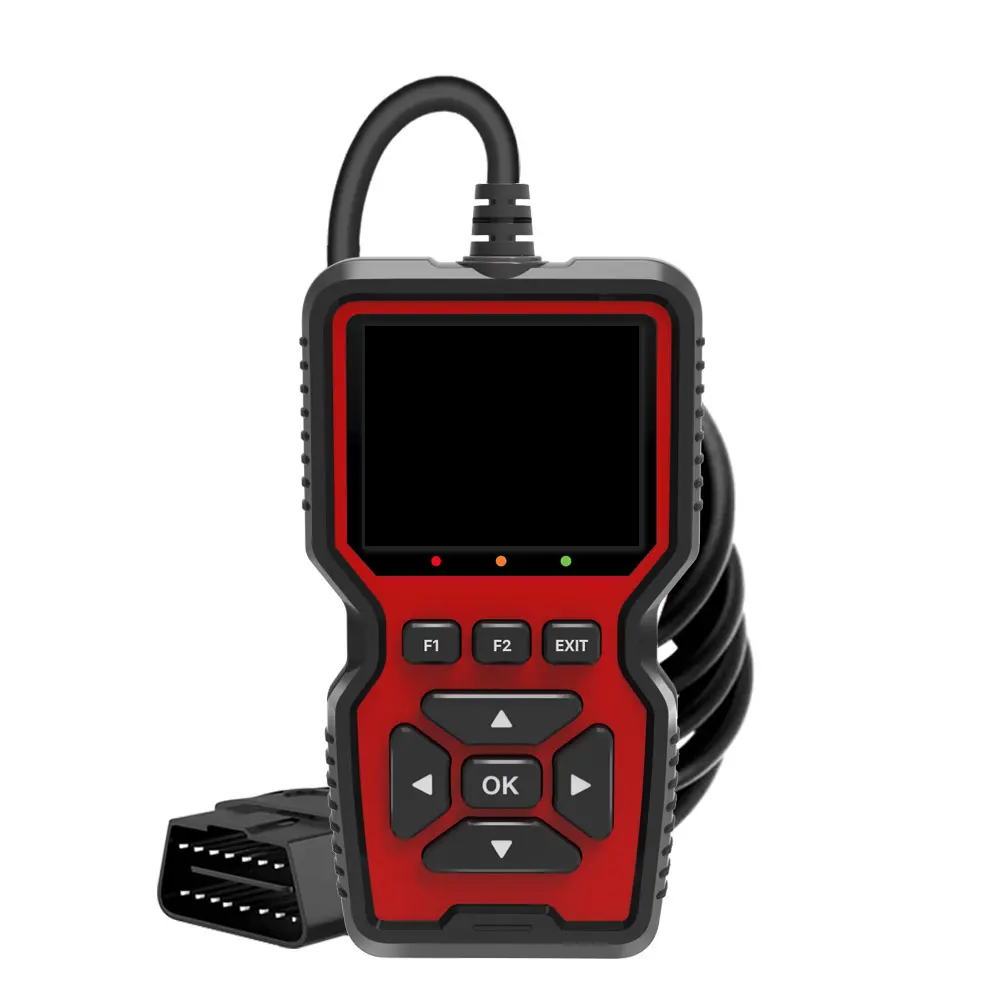
- Connect a diagnostic scan tool capable of communicating with the Air Suspension Control Module (ASCM).
- Retrieve all stored DTCs and any associated freeze frame data. Note any other related codes, as they might provide additional diagnostic clues.
- Access live data parameters for the air suspension system. Monitor the commanded state and actual voltage feedback for the right rear air spring/shock solenoid. While the solenoid is commanded OFF, the voltage should be low or zero. If it consistently reads near battery voltage, the short is confirmed.
- If available, perform bidirectional control tests to command the right rear air spring/shock solenoid ON and OFF while monitoring the circuit voltage and observing any physical response from the suspension.
- Digital Multimeter (DMM) Testing:
- Safety First: Always disconnect the negative battery terminal before performing extensive electrical testing to prevent accidental short circuits or damage to control modules.
- Isolate the Solenoid: Disconnect the electrical connector from the right rear air spring/shock solenoid.
- Check for Short to Battery on Harness Side: With the ignition ON (and the solenoid still disconnected), use a DMM to measure the voltage between the control wire terminal in the vehicle’s harness connector (the wire originating from the ASCM) and a known good chassis ground. If battery voltage is present on this wire when the solenoid is commanded OFF, or when the system should not be actively powering it, a short to battery exists within the wiring harness between the ASCM and the solenoid connector.
- Test Solenoid Resistance/Integrity: With the solenoid completely disconnected from the vehicle harness, measure the resistance across its two terminals using the DMM. Compare this reading to manufacturer specifications (typically a few ohms). An open circuit (OL) or extremely low resistance (near zero ohms) can indicate an internal fault. Also, check for continuity between each solenoid terminal and the solenoid’s metal housing (ground); there should be no continuity, indicating no internal short to ground.
- Check Harness Continuity and Shorts: If the issue is suspected to be in the harness, disconnect the ASCM connector (if safely accessible). Perform a continuity test on the specific control wire for the RR air spring/shock solenoid from the ASCM connector to the solenoid connector. Then, check for continuity between this control wire and other adjacent wires in the harness, and critically, to known battery positive wires and chassis ground. Any continuity to a battery positive wire confirms a short within the harness.
- ASCM Output Verification (Advanced):
- Only after ruling out all external wiring and solenoid issues, if a persistent short-to-battery voltage is present on the control wire when the ASCM is connected and commanding the solenoid OFF, then the ASCM itself may be faulty. This typically requires specialized diagnostic equipment, such as an oscilloscope, to verify the module’s output signal integrity and rule out a faulty internal driver.
Recommended Repairs and Solutions
Once the root cause of code C1797 has been identified through thorough diagnosis, the following repairs are typically recommended:
- Repair or Replace Damaged Wiring: If the wiring harness is found to be shorted to battery, the damaged section of wire must be meticulously repaired or the entire sub-harness replaced. For repairs, utilize appropriate wire gauge, professional soldering techniques with heat-shrink tubing, or OEM-approved crimp connectors to ensure a durable, weather-sealed, and electrically sound connection. Avoid temporary or substandard repairs that may lead to recurring issues.
- Replace Faulty Air Spring/Shock Solenoid: If diagnostic tests confirm an internal short or failure within the right rear air spring/shock solenoid, the component must be replaced. In many vehicle applications, the solenoid is integrated directly into the air spring or shock absorber assembly, necessitating replacement of the entire unit. Ensure the new component is correctly installed, and all electrical and air line connections are secure and leak-free.
- Replace Damaged Connector: If the electrical connector at the air spring/shock assembly is corroded or physically damaged, it should be replaced. Many manufacturers offer pigtail repair kits for common connectors. Always use dielectric grease on new connections to prevent future corrosion and ensure a robust electrical contact.
- Replace Air Suspension Control Module (ASCM): This is a measure of last resort, to be undertaken only after confirming that the wiring harness, solenoid, and connectors are all in perfect working order and the ASCM is conclusively proven to be erroneously supplying battery voltage. Replacement of an ASCM typically requires specialized factory-level programming and calibration using a compatible scan tool to ensure proper system function and vehicle ride height settings.
- Post-Repair Validation: After any repair, clear all stored DTCs from the ASCM. Perform a system self-test or a ride height calibration procedure as specified by the vehicle manufacturer. Conduct a thorough road test to verify proper operation of the air suspension system, particularly the right rear corner, and confirm that code C1797 does not reappear.