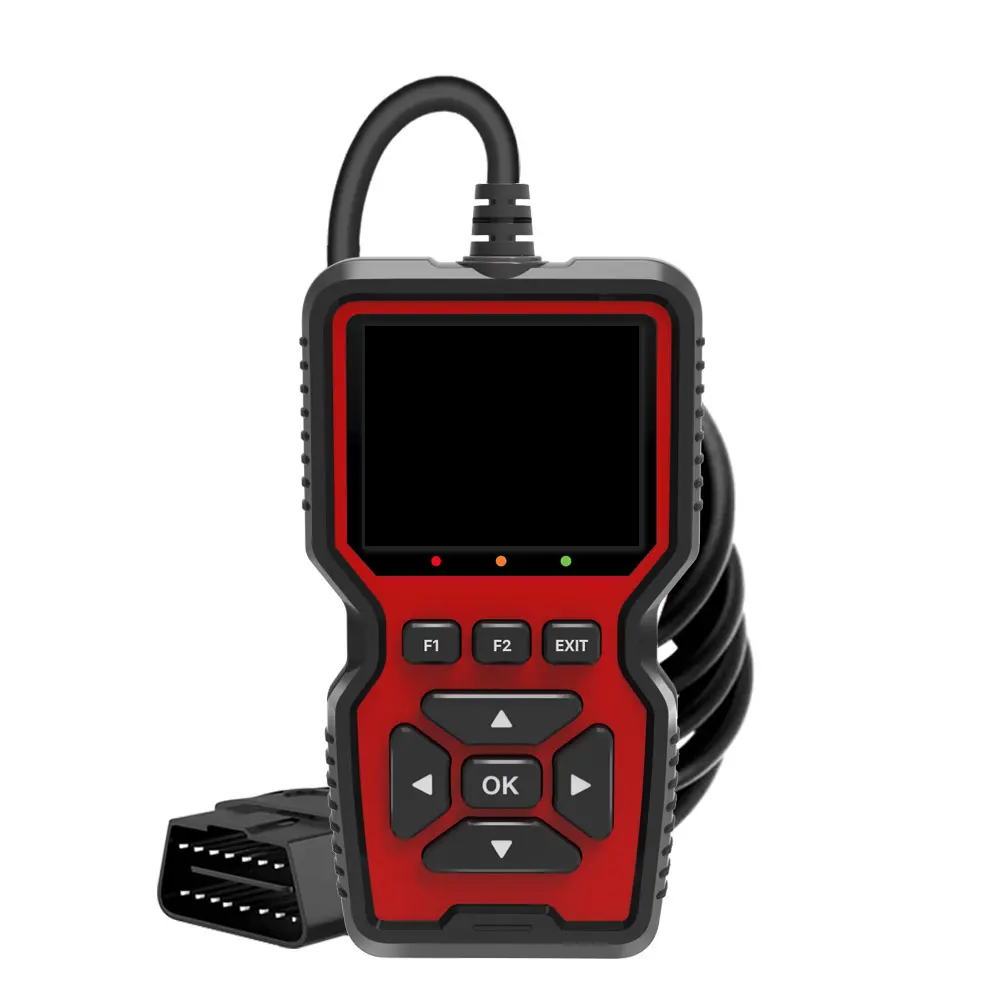
What Does Code C1868 Mean?
DTC C1868 signifies an “Air Suspension Rear Inflator Solenoid Output Circuit Short To Ground.” This code is set by the Air Suspension Control Module (ASCM), or in some vehicle architectures, the Powertrain Control Module (PCM) or Body Control Module (BCM), when it detects an unintended low-resistance path to the vehicle’s chassis ground in the electrical circuit controlling the rear air suspension inflator solenoid. This solenoid is a critical component responsible for regulating the flow of compressed air from the air suspension compressor to the rear air springs, thereby controlling the rear ride height.
The ASCM monitors the voltage and current in the output circuit leading to the inflator solenoid. When the module attempts to activate the solenoid, it expects to see a specific voltage drop and current flow across the solenoid coil. If a short to ground exists, the circuit voltage will be abnormally low (approaching zero volts relative to ground) or the current draw will be excessively high, exceeding predetermined thresholds. This deviation signals to the ASCM that there is an electrical fault, leading to the storage of C1868 and often disabling the air suspension system to prevent further damage or erratic behavior. The subsystem primarily affected is the rear air suspension, impairing its ability to maintain proper vehicle leveling and ride comfort.
Common Symptoms
- Sagging Rear End: The most prevalent symptom is a noticeably low ride height at the rear of the vehicle, particularly when parked or after driving.
- Uneven Ride Height: One side of the rear axle may sit lower than the other.
- Harsh Ride Quality: With the air springs deflated or unable to properly inflate, the vehicle’s rear suspension may bottom out or ride on its bump stops, resulting in a very stiff and uncomfortable ride.
- Warning Light/Message: An “Air Suspension Fault,” “Service Air Suspension,” or similar message will typically appear on the instrument cluster.
- Air Compressor Inactivity or Overactivity: The air suspension compressor may either fail to run due to the detected fault, or it might run excessively in a futile attempt to inflate the air springs, potentially leading to compressor overheating and failure.
What Causes the Code C1868?
- Damaged Wiring Harness: The most common cause is physical damage to the wiring leading to the rear inflator solenoid. This can include chafed insulation, pinched wires, or melted sections that cause the conductor to contact the vehicle’s chassis or another ground point.
- Corroded Electrical Connector: Moisture intrusion, road salt, or debris can lead to severe corrosion within the electrical connector for the inflator solenoid or the air compressor assembly (if integrated). This corrosion can create an unintended low-resistance path to ground.
- Internal Short in Inflator Solenoid: The solenoid itself can develop an internal winding short to its metal housing, which is typically grounded to the vehicle. This internal fault will present as a short to ground on the control circuit.
- Faulty Air Suspension Compressor Assembly: If the inflator solenoid is integrated into the air compressor unit, an internal fault within the compressor assembly’s electrical components could be the source of the short.
- Faulty Air Suspension Control Module (ASCM): While less common, an internal short within the ASCM itself or a damaged output driver circuit within the module could erroneously create a short to ground or improperly detect one.
How to Diagnose and Troubleshoot
Diagnosing C1868 requires careful electrical circuit analysis using a digital multimeter (DMM) and visual inspection.
- Visual Inspection:
- Begin by visually inspecting the entire wiring harness routing from the ASCM to the rear air suspension compressor and specifically to the inflator solenoid (if separate). Pay close attention to areas where the harness passes through body panels, near exhaust components, or over sharp edges, as these are common points for chafing and damage.
- Inspect the electrical connectors at both the inflator solenoid/compressor and the ASCM for signs of corrosion, bent pins, pushed-out terminals, or moisture intrusion.
- Check the fuse(s) related to the air suspension compressor and solenoid. A direct short to ground can often blow a fuse, which might indicate the initial event, though the code points to the short itself.
- Isolate the Circuit and DMM Testing:
- Safety First: Always disconnect the vehicle’s battery before performing resistance or continuity tests to prevent accidental component damage or injury.
- Disconnect Solenoid: Disconnect the electrical connector at the rear inflator solenoid or the air compressor assembly (if the solenoid is integrated).
- Test Solenoid (Component Side):
- Using a DMM set to ohms (Ω), measure the resistance across the two terminals of the inflator solenoid. Compare this reading to manufacturer specifications (typically a low resistance value, e.g., 2-15 ohms, but not zero or infinite).
- Next, measure the resistance between each solenoid terminal and a known good chassis ground. If either terminal shows very low resistance (near 0 ohms) to ground, the inflator solenoid itself is internally shorted and requires replacement.
- Test Wiring Harness (Harness Side):
- With the solenoid still disconnected, focus on the vehicle’s wiring harness connector. Identify the control wire and the ground wire for the solenoid.
- Measure the resistance between the control wire terminal in the harness connector and a known good chassis ground. If this measurement shows very low resistance (near 0 ohms), there is a short to ground in the wiring harness between the connector and the ASCM.
- Additionally, perform a continuity test between the control wire terminal at the solenoid connector and its corresponding pin at the ASCM connector (with the ASCM connector also disconnected) to ensure no open circuit exists.
- Scan Tool Diagnostics:
- Use an advanced OBD-II scanner capable of communicating with the ASCM. Check for any additional related diagnostic trouble codes.
- Monitor live data parameters such as air suspension pressure, commanded ride height, and actual ride height (if available) to understand system behavior and identify inconsistencies once the electrical fault is addressed.
Recommended Repairs and Solutions
- Repair or Replace Damaged Wiring: If the diagnostic steps confirm a short to ground in the wiring harness, the damaged section must be repaired. Use appropriate automotive-grade wire, solder connections, and apply heat-shrink tubing for insulation and protection. Ensure the repair is secured and protected from future chafing or environmental exposure. For extensive damage, replacement of the entire harness segment may be necessary.
- Clean or Replace Corroded Connectors: If corrosion is found at the electrical connectors, carefully clean the terminals using electrical contact cleaner and a small brush. Apply dielectric grease to prevent future corrosion. If terminals are severely corroded, bent, or damaged, the connector housing or individual terminals should be replaced.
- Replace the Air Suspension Rear Inflator Solenoid: If the internal resistance test of the solenoid indicates a short to ground, the solenoid is faulty and requires replacement. Depending on the vehicle model, this solenoid might be a separate, replaceable component or an integral part of the air compressor assembly.
- Replace Air Compressor Assembly: If the inflator solenoid is integrated into the air compressor unit and is confirmed to be internally shorted, the entire air compressor assembly will need to be replaced.
- Replace Air Suspension Control Module (ASCM): This is typically a last resort. If all wiring, connectors, and the solenoid/compressor itself have been thoroughly tested and verified to be in good working order, and the evidence points specifically to an internal fault within the ASCM causing the short detection, then the module may require replacement. Ensure proper programming or calibration of a new ASCM according to manufacturer specifications.
After any repair, clear the DTCs using a scan tool. Then, operate the vehicle and cycle the air suspension system through its various ride height settings, if applicable, to confirm proper function and ensure the C1868 code does not return.