What Does Code C1883 Mean?
DTC C1883 indicates a detected fault within the Right Front (RF) Air Suspension Height Sensor circuit, specifically a “Short To Battery.” This diagnostic trouble code is set by the Air Suspension Control Module (ASCM), also known as the Ride Height Control Module (RHCM), when it detects an abnormally high voltage level on the signal line from the RF height sensor. Typically, a height sensor operates using a reference voltage (e.g., 5V) and returns a varying voltage signal proportional to the suspension’s position. A “short to battery” condition implies that the sensor’s signal wire, which should be carrying a low-voltage analog signal, is instead receiving full vehicle battery voltage (approximately 12-14V), or a voltage significantly higher than its operational range, often due to direct contact with a fused or unfused 12V power circuit. The ASCM monitors this signal and, upon detecting an out-of-range high voltage condition indicative of a short, will store C1883 and illuminate the corresponding warning lamp, potentially disabling parts of the air suspension system to prevent damage or maintain a failsafe ride height.
Common Symptoms
- Illuminated Warning Light: The “Service Air Suspension” or “Air Suspension Fault” indicator on the instrument cluster will be active.
- Uneven Ride Height: The vehicle’s right front corner may sag, ride too high, or exhibit an incorrect and unadjustable height compared to other corners.
- Harsh or Bouncy Ride: The suspension may become stiff or unresponsive on the affected corner, or the entire vehicle’s ride quality may degrade if the system enters a default mode.
- Air Compressor Issues: The air suspension compressor may run excessively trying to correct a perceived height imbalance, or it may be inhibited from operating entirely.
- Inability to Adjust Ride Height: The driver may lose the ability to manually adjust the vehicle’s ride height settings.
What Causes the Code C1883?
- Damaged Wiring Harness: The most prevalent cause is damage to the wiring harness leading to the RF height sensor. This damage, often due to chafing, pinching, or melting, can cause the sensor’s signal wire to come into direct contact with a constant or switched 12V power source within the vehicle’s wiring loom or chassis.
- Faulty Right Front Height Sensor: An internal short circuit within the RF height sensor itself could route battery voltage onto the signal output line, although this is less common for a direct “short to battery” compared to wiring damage.
- Corroded or Damaged Connector: The electrical connector at the RF height sensor or at the ASCM may have bent pins, corrosion, or foreign material that bridges the signal pin to a power pin.
- Internal Air Suspension Control Module (ASCM) Fault: In rare cases, an internal fault within the ASCM could cause a diagnostic misinterpretation or an internal short that routes voltage to the sensor’s signal input, though this is typically accompanied by other module-related DTCs.
How to Diagnose and Troubleshoot
A systematic diagnostic approach is critical for C1883. Begin with a thorough visual inspection:
- Visual Inspection:
- Inspect the wiring harness for the RF air suspension height sensor. Pay close attention to areas where the harness passes through firewalls, over suspension components, or near exhaust systems, as these are common points for chafing, pinching, or heat damage. Look for any signs of exposed copper or melted insulation.
- Examine the electrical connector at the RF height sensor itself for corrosion, bent pins, or signs of physical damage. Disconnect it and check for moisture or debris.
- Trace the wiring back towards the ASCM if possible, performing similar inspections along the entire run.
- OBD-II Scanner Diagnostics:
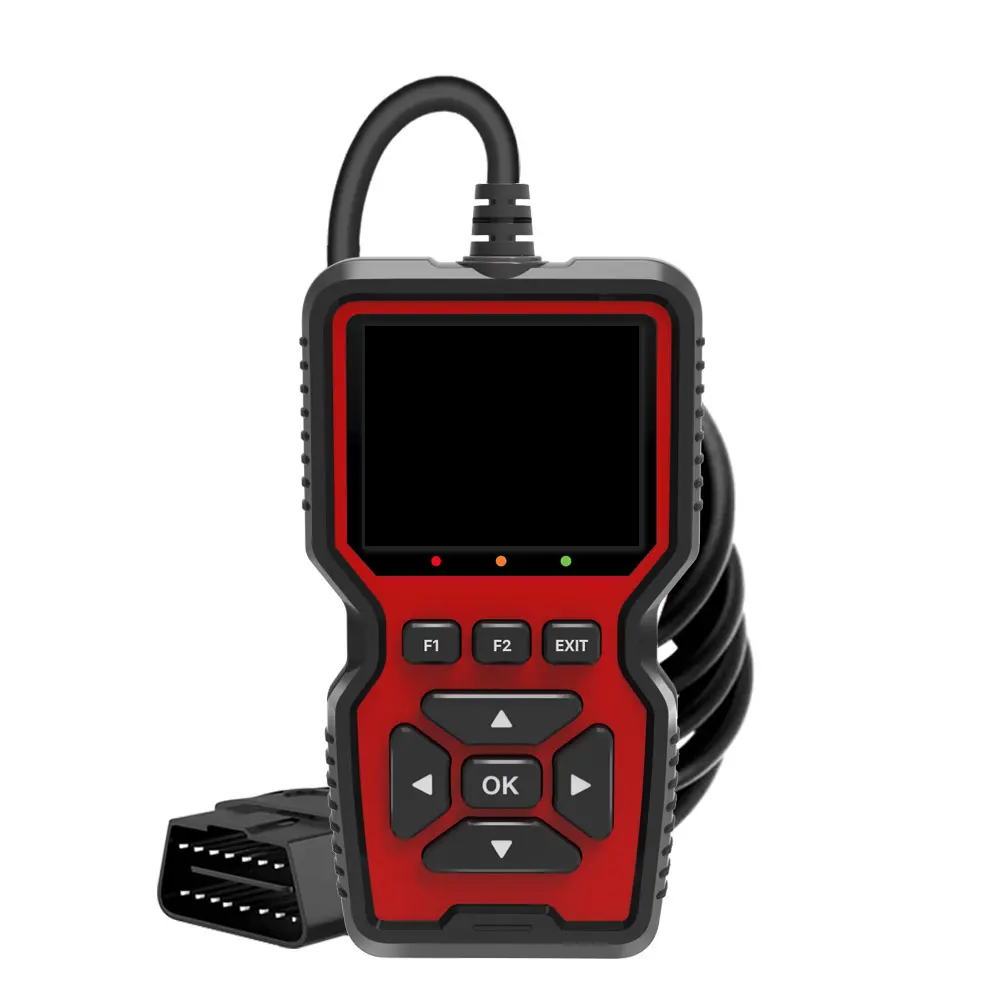
- Connect an advanced diagnostic scanner (capable of reading C-codes and live data from chassis modules).
- Retrieve freeze frame data associated with C1883 to understand the operating conditions when the fault occurred.
- Monitor live data parameters for the RF height sensor voltage. With the ignition on and engine off (KOEO), the voltage should typically be within a low-voltage range (e.g., 0.5V to 4.5V). A reading at or near battery voltage (12V+) confirms the short-to-battery condition.
- Check for any other related air suspension DTCs that might provide additional context.
- Digital Multimeter (DMM) Testing:
- Isolate the Sensor: Disconnect the RF height sensor electrical connector.
- Voltage Check (Signal Wire): With the ignition in KOEO position, use a DMM to measure voltage on the signal wire terminal of the vehicle’s wiring harness side (not the sensor side). Probe between the signal terminal and a known good chassis ground. If you measure battery voltage (or significantly higher than 5V reference voltage), it confirms a short to battery within the wiring harness leading to the sensor or within the ASCM.
- Continuity Check (Signal Wire to Battery Voltage Source): If a short to battery is confirmed in the wiring, turn the ignition off. Use the DMM in continuity or resistance mode. Test for continuity between the RF height sensor signal wire terminal (harness side) and various 12V power sources (e.g., fuses, battery positive terminal, other power wires in the loom). A reading of 0 ohms or very low resistance indicates a direct short.
- Reference Voltage Check: Also, verify the presence of the correct reference voltage (e.g., 5V) and a good ground at the sensor connector (harness side). An absent or incorrect reference voltage can sometimes lead to misdiagnosis, although C1883 is specific to an over-voltage condition.
- Sensor Internal Test (Optional): If the wiring appears perfect, reconnect the sensor. With the system active (e.g., in service mode or with engine running), manipulate the suspension and observe the live data voltage output from the sensor. If the sensor always outputs battery voltage despite movement, the sensor itself may be internally shorted.
Recommended Repairs and Solutions
Based on the diagnostic findings, the appropriate repair typically involves:
- Repair or Replace Damaged Wiring: The most common fix is to meticulously trace and locate the exact point of the wiring short. Once identified, carefully repair the damaged section of the harness using proper automotive wiring repair techniques (e.g., soldering and heat-shrink tubing, or using OEM-approved repair connectors). If the damage is extensive or involves multiple wires, replacing the entire segment of the wiring harness may be more practical and reliable. Ensure the repaired section is routed away from any potential future chafing or heat sources.
- Replace Faulty Right Front Height Sensor: If diagnostic tests definitively point to an internal short within the RF height sensor, replace the sensor with a new, OEM-quality part. After replacement, an air suspension system calibration procedure will almost certainly be required using a capable diagnostic scanner to ensure correct operation and accurate ride height readings.
- Clean or Repair Connector: If corrosion or physical damage to the connector pins is found, attempt to clean the corrosion using electrical contact cleaner and a small brush. If pins are bent, attempt to carefully straighten them. If the damage is severe, replace the connector shell and/or terminal pins.
- Air Suspension Control Module (ASCM) Replacement: Only consider ASCM replacement as a last resort, after thoroughly ruling out all wiring and sensor faults. This is a rare cause for a specific sensor circuit short. If replaced, the new module will require programming and calibration.
After any repair, clear the DTCs, perform a road test, and re-check for the C1883 code. Always perform a system-wide air suspension calibration if components are replaced or if the vehicle’s ride height has been significantly disturbed, to ensure optimal performance and prevent future issues.