What Does Code C1892 Mean?
Diagnostic Trouble Code (DTC) C1892 indicates a detected electrical anomaly within the circuit of the Left Front (LF) Air Suspension Height Sensor, specifically a “Short To Ground.” This code is typically set by the Air Suspension Control Module (ASCM) or Suspension Control Module (SCM), which is responsible for monitoring and controlling the vehicle’s adaptive or active air suspension system. The LF height sensor is a critical input device that provides real-time data regarding the vertical distance between the vehicle’s chassis and the road surface at the left front wheel. The ASCM/SCM continuously monitors the voltage signal from this sensor. When the module detects that the voltage on the LF height sensor’s signal circuit is abnormally low, consistently at or near zero volts, it interprets this as a direct short to ground within the circuit. This condition prevents the ASCM/SCM from accurately determining the LF ride height, compromising the system’s ability to maintain proper vehicle leveling, ride quality, and potentially affecting stability and handling characteristics.
Common Symptoms
- Illuminated Air Suspension Warning Light: A dedicated warning lamp on the instrument cluster will typically activate.
- “SERVICE AIR SUSPENSION” Message: A warning message may appear on the Driver Information Center (DIC).
- Abnormal Vehicle Ride Height: The most prominent symptom, where the left front corner of the vehicle may appear noticeably lower than the other corners, or the entire front end may sag.
- Compromised Ride Quality: The vehicle may exhibit an excessively harsh, bouncy, or uncontrolled ride at the left front due to improper suspension pressure or component engagement.
- Uneven Vehicle Stance: The vehicle may lean significantly to the left front side, impacting aesthetics and potentially causing uneven tire wear over time.
- Inability to Adjust Ride Height: The air suspension system may be unable to perform automatic or manual ride height adjustments.
What Causes the Code C1892?
- Damaged Wiring Harness: The most common cause, where the wiring harness for the LF height sensor (signal wire, power wire, or ground wire) is chafed, pinched, cut, or corroded, causing an electrical short directly to the vehicle’s chassis ground.
- Faulty Left Front Height Sensor: An internal electrical short within the height sensor itself, causing its output signal to be constantly at ground potential.
- Corroded or Damaged Connector: Water intrusion, dirt, or physical damage to the electrical connector at the LF height sensor or at the ASCM/SCM can lead to corrosion or bent pins, creating a short to ground.
- Failed Air Suspension Control Module (ASCM/SCM): While less common for a short to ground, an internal fault within the control module’s input circuit for the LF height sensor could potentially mimic a short to ground condition.
How to Diagnose and Troubleshoot
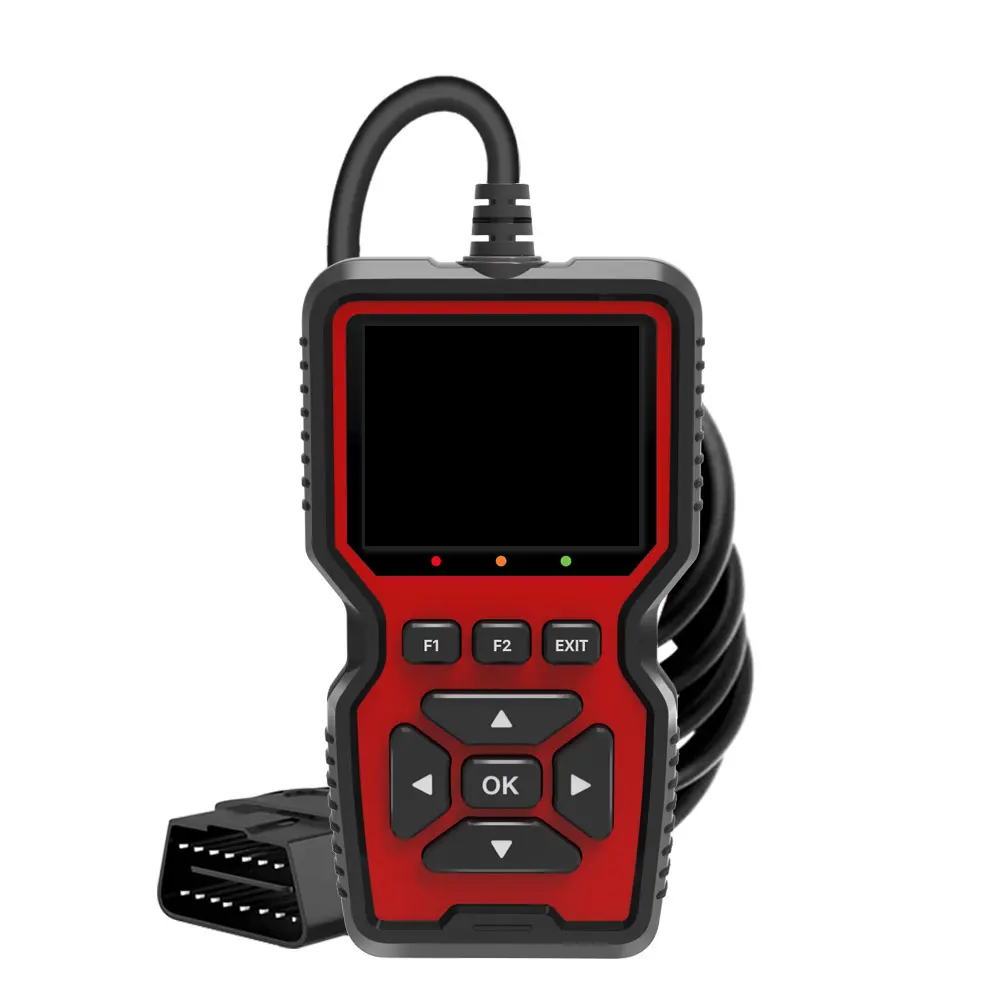
Diagnosis of C1892 requires a systematic approach, often involving a digital multimeter (DMM) and an advanced diagnostic scan tool.
- Safety First: Ensure the vehicle is on level ground, the parking brake is engaged, and the wheels are chocked. If working with air suspension components, be aware of potential sudden pressure changes. Disconnecting the battery may be advisable for certain electrical tests.
- Visual Inspection:
- Begin with a thorough visual inspection of the left front air suspension height sensor and its entire wiring harness, tracing it as far as possible towards the ASCM/SCM.
- Look for obvious signs of physical damage, such as frayed, pinched, or abraded wires that could be shorting to the chassis.
- Inspect the sensor’s electrical connector and the corresponding harness connector for corrosion, bent pins, or signs of water intrusion or impact damage.
- Examine the sensor’s mounting and linkage to ensure it’s mechanically intact and not binding.
- Scan Tool Data Analysis:
- Connect an advanced diagnostic scan tool capable of reading live data from the ASCM/SCM.
- Access the live data stream for the Left Front Height Sensor. A confirmed short to ground will typically show a voltage reading of 0.0V or a very low, implausible fixed value (e.g., 0.1V – 0.5V), regardless of the actual suspension height.
- Monitor the parameter while gently wiggling the sensor connector and the wiring harness along its path. Any fluctuation in the reading could indicate an intermittent short or poor connection.
- Digital Multimeter (DMM) Testing:
- Isolate the Circuit: Disconnect the electrical connector from the LF height sensor. This separates the sensor from the wiring harness.
- Check for Short to Ground in Harness (Power/Signal Wires):
- With the ignition ON (or as specified by service manual) and the sensor disconnected, measure the voltage on the sensor’s signal wire terminal in the harness connector, relative to a known good chassis ground. If the ASCM/SCM provides a reference voltage through the signal wire, a reading of 0V here indicates a direct short to ground in the signal wire itself.
- Similarly, check the reference voltage (e.g., 5V or 12V) supply wire at the connector. If this wire shows 0V or significantly reduced voltage, it could indicate a short to ground on the power supply side of the circuit.
- Continuity Test on Signal Wire:
- Turn the ignition OFF. Disconnect the ASCM/SCM connector if possible and identify the LF height sensor’s signal wire terminal.
- Using the DMM in continuity or resistance mode, measure the resistance between the signal wire terminal (at the sensor harness side) and a known good chassis ground.
- A reading near 0 Ohms or indicating continuity signifies a direct short to ground in the wiring harness. Repeat this for the power supply wire if voltage was low.
- Sensor Internal Short Check:
- With the sensor disconnected from the harness, measure the resistance between the sensor’s signal output pin and its ground pin. Consult service information for expected resistance values for your specific sensor type (e.g., potentiometer, Hall effect).
- A reading of 0 Ohms or very low resistance where there should be a measurable varying resistance, or an open circuit in certain active sensors, could indicate an internal short or fault.
Recommended Repairs and Solutions
Addressing DTC C1892 typically involves the following repair procedures:
- Repair or Replace Damaged Wiring: If the visual inspection or DMM testing identifies a short in the wiring harness, the damaged section must be repaired. Use high-quality, appropriate-gauge wiring, solder connections (if accessible and appropriate), and seal them with heat-shrink tubing to prevent future corrosion or shorts. In cases of extensive damage, replacement of the entire affected harness segment may be necessary.
- Replace the Left Front Height Sensor: If diagnostic testing confirms an internal fault or short within the LF height sensor itself, the sensor must be replaced. Ensure the replacement part is compatible with the vehicle’s make and model. After replacement, many air suspension systems require a calibration procedure using an advanced scan tool to teach the ASCM/SCM the new sensor’s parameters and ensure accurate ride height adjustment.
- Clean or Repair Connectors: If corrosion or damage to the electrical connectors is identified, thoroughly clean the pins using an electrical contact cleaner and a small brush. If pins are bent, carefully straighten them. Severely corroded or damaged connectors should be replaced with new pigtail connectors to ensure a reliable electrical connection.
- ASCM/SCM Replacement: Only consider replacing the Air Suspension Control Module as a last resort, and only after all other possibilities (wiring, sensor, connectors) have been rigorously tested and ruled out. ASCM/SCM replacement is often costly and typically requires reprogramming or coding to the vehicle’s specific VIN, which must be performed by a dealership or a specialized independent shop with the necessary programming tools.
- Clear Codes and Verify Repair: After any repair, clear the DTCs using a scan tool. Then, perform a system self-test and drive the vehicle to verify that the air suspension system operates correctly, maintains proper ride height, and that the C1892 code does not return. Monitor live data for the LF height sensor to ensure its voltage signal is now within the expected operating range and fluctuates appropriately with suspension movement.