What Does Code C1927 Mean?
DTC C1927 indicates a fault within the Variable Assist Power Steering (VAPS) solenoid actuator’s return circuit, specifically identifying a condition where this circuit is receiving unintended battery voltage (short to battery). The VAPS system, also known as speed-sensitive power steering, is designed to adjust the amount of power steering assist based on vehicle speed, providing lighter steering at low speeds for maneuverability and firmer steering at higher speeds for improved control and stability. The VAPS solenoid actuator is an electro-hydraulic or electromagnetic device that modulates hydraulic fluid flow or an electric motor’s output to achieve this variable assist.
Normally, the Engine Control Module (ECM) or a dedicated Power Steering Control Module (PSCM) controls the VAPS solenoid by supplying a consistent power feed and then switching the solenoid’s return (ground) circuit on and off, often using Pulse Width Modulation (PWM) for fine control. When the ECM/PSCM detects a “short to battery” on the return circuit, it means that the low-side control circuit, which should either be open or actively pulled to ground by the module, is instead receiving a direct path to the vehicle’s 12V power supply. This prevents the control module from effectively switching the solenoid on or off, leading to a loss of control over the power steering assist level. The module registers this as an electrical integrity fault due to the unexpected voltage on the return line.
Common Symptoms
- Inconsistent Steering Feel: The most prevalent symptom, where steering assist may be excessively light or heavy regardless of vehicle speed.
- Illuminated Warning Lights: The power steering warning light, or potentially the ABS/TCS warning light if the systems are integrated, may illuminate on the dashboard.
- Difficulty Steering at Low Speeds: The steering wheel may feel unusually stiff or hard to turn during parking maneuvers or at low speeds, indicating a lack of expected assist.
- Overly Light Steering at High Speeds: Conversely, the steering may feel too light or vague at highway speeds, potentially reducing driver confidence and stability.
- Audible Noise from Power Steering System: In some cases, a continuous humming or buzzing sound may be heard if the VAPS solenoid is stuck in an energized state due to the short.
What Causes the Code C1927?
- Damaged Wiring Harness: The most common cause is physical damage to the wiring harness where the VAPS solenoid’s return wire chafes, pinches, or melts, making contact with a constant 12V power wire or the vehicle’s battery positive circuit.
- Faulty VAPS Solenoid Actuator: An internal short within the solenoid itself, where the return terminal or internal windings develop an unintended electrical path to the solenoid’s power supply terminal or to the vehicle’s 12V system.
- Malfunctioning Power Steering Control Module (PSCM) or ECM: If the VAPS function is integrated, an internal fault within the controlling module’s driver circuit for the VAPS solenoid can cause it to improperly output battery voltage on the return line instead of providing an open circuit or ground path. This is less common but possible.
- Corroded or Damaged Connectors: Water ingress or corrosion in the VAPS solenoid connector or its upstream connectors can create unintended electrical bridges between the return circuit and a 12V power source.
How to Diagnose and Troubleshoot
Diagnosis of C1927 requires careful electrical testing using a digital multimeter (DMM) and a thorough visual inspection. Always begin by gathering vehicle-specific wiring diagrams for the VAPS system.
- Visual Inspection:
- Begin with a detailed visual inspection of the entire VAPS solenoid wiring harness, from the solenoid connector back to the controlling module (ECM/PSCM). Look for signs of chafing, pinching, melting, or corrosion. Pay close attention to areas where the harness passes near sharp edges, hot engine components, or moving parts.
- Inspect the VAPS solenoid connector and the controlling module’s connector for bent pins, corrosion, or signs of water intrusion.
- DTC Retrieval and Freezing Frame Data:
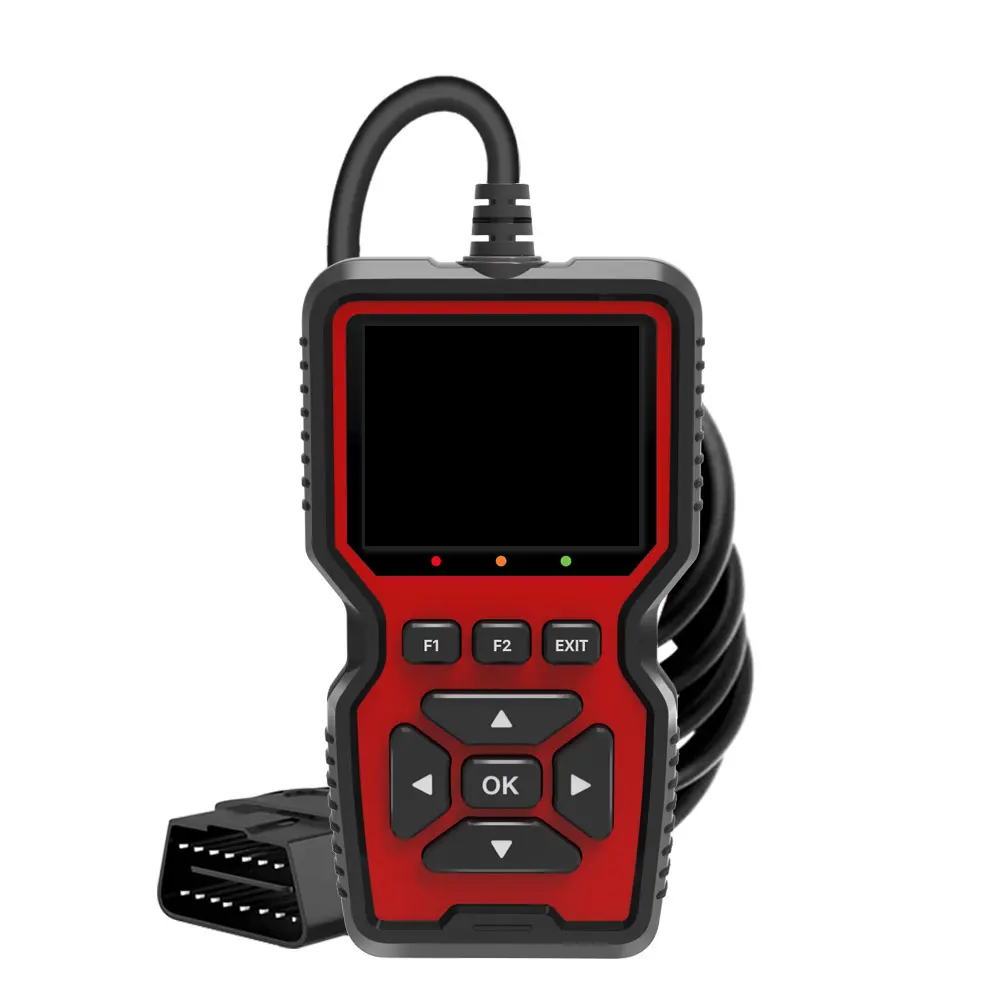
- Connect an OBD-II scanner to retrieve the C1927 DTC and any related codes. Review the freeze frame data to understand the operating conditions (vehicle speed, engine RPM, etc.) when the fault occurred. This can sometimes provide clues regarding intermittent issues.
- Solenoid Actuator Disconnection and Voltage Test (Key On, Engine Off – KOEO):
- Safely disconnect the electrical connector from the VAPS solenoid actuator.
- With the ignition in the KOEO position, use a DMM to measure voltage on the solenoid’s return wire terminal (harness side) to chassis ground. A normal return circuit should show near 0V or an open circuit (high impedance) when not actively controlled. If you measure approximately battery voltage (12V or higher), this confirms the “short to battery” condition on the return circuit, as indicated by the DTC.
- Also, measure voltage on the power feed wire terminal (harness side) to chassis ground. This should typically show battery voltage.
- Isolation of the Short:
- If battery voltage is confirmed on the return circuit at the solenoid connector, the next step is to isolate the source. Disconnect the electrical connector from the controlling module (ECM/PSCM).
- With both the solenoid and the module disconnected, re-measure the voltage on the return wire (still harness side) to chassis ground. If the voltage is now absent (near 0V), the short is likely internal to the controlling module. If the battery voltage persists, the short is within the wiring harness itself, between the module and the solenoid.
- Continuity Testing (for shorted harness):
- If the short is suspected in the harness, set your DMM to resistance (ohms) mode. Measure resistance between the VAPS return wire (harness side) and a known 12V constant power source (e.g., battery positive post or a fused B+ line in the under-hood fuse box). A very low resistance (near 0 ohms) confirms a direct short to battery.
- Also, check for continuity between the return wire and other nearby power circuits in the harness, such as sensor power feeds, to pinpoint the exact location of the short.
- Solenoid Actuator Resistance Test (if wiring and module are good):
- If the wiring harness and controlling module test normal (no short to battery found on the return wire from the module), the fault might be an internal short within the solenoid itself that causes feedback. Measure the internal resistance of the VAPS solenoid actuator across its terminals. Compare this reading to the manufacturer’s specifications. An open circuit or a resistance far outside specifications could indicate an internal fault.
Recommended Repairs and Solutions
- Repair or Replace Damaged Wiring Harness:
- If diagnostic steps confirm a short to battery within the wiring harness, the damaged section must be repaired. For localized damage, carefully strip back insulation, splice in new wire of the correct gauge using solder and heat-shrink tubing, and ensure the repair is watertight and protected from future damage. For extensive or inaccessible damage, consider replacing the entire harness section. Always reroute wiring to prevent recurrence.
- Replace Faulty VAPS Solenoid Actuator:
- If all wiring and the controlling module test normal, and the solenoid itself exhibits an internal short or incorrect resistance, replace the VAPS solenoid actuator. Ensure the replacement part is an OEM equivalent or a reputable aftermarket component.
- Replace Power Steering Control Module (PSCM) or ECM:
- If the diagnostics conclusively point to an internal fault within the controlling module (ECM or PSCM) causing the short to battery on the VAPS return circuit, the module will need replacement. This is typically the most expensive repair. After replacement, the new module may require programming or coding specific to the vehicle’s VIN and options using a factory-level diagnostic tool.
- Clear DTCs and Road Test:
- After performing any repairs, clear all stored diagnostic trouble codes using an OBD-II scanner. Perform a comprehensive road test under various driving conditions (low speed, high speed, cornering) to confirm that the power steering system functions correctly and that the C1927 code does not return.