What Does Code P0007 Mean?
The OBD-II diagnostic trouble code P0007 stands for “Fuel Shutoff Valve ‘C’ Control Circuit High.” This code indicates that the Engine Control Module (ECM), also referred to as the Powertrain Control Module (PCM), has detected an abnormal voltage condition on the control circuit for a specific fuel shutoff valve, designated ‘C’. The ‘high’ condition typically signifies that the voltage observed by the ECM on this control circuit is either continuously at battery voltage, unexpectedly high, or an open circuit condition is present, preventing the proper operation of the valve. The fuel shutoff valve, also known as a fuel cut-off solenoid, is an electronically controlled device designed to interrupt the flow of fuel to the engine. Its primary functions can include anti-theft measures, emergency fuel cutoff in the event of an accident, or precise fuel control in some advanced injection systems, particularly common in diesel applications or older gasoline systems. When the ECM detects a circuit high condition, it interprets this as an inability to command the valve to its desired state (usually open), which often results in a no-fuel condition to the engine, preventing start or causing stalling.
Common Symptoms
- Engine cranks but will not start due to lack of fuel.
- Engine stalls unexpectedly while driving and cannot be restarted.
- Illumination of the Check Engine Light (CEL) or Malfunction Indicator Lamp (MIL).
- Reduced engine performance or rough running, though a complete no-start is more typical for a “circuit high” error preventing fuel flow.
What Causes the Code P0007?
- Faulty or seized Fuel Shutoff Valve (FSV) solenoid. The solenoid coil itself may have an internal open circuit, causing the ECM to see a high voltage because no current is flowing through the coil.
- Open circuit or high resistance in the wiring harness leading to the fuel shutoff valve. This could be due to chafed wires, corrosion, or a broken conductor.
- Poor or corroded electrical connection at the fuel shutoff valve connector or at the ECM connector.
- Blown fuse or tripped circuit breaker protecting the fuel shutoff valve circuit.
- Short to voltage within the fuel shutoff valve control circuit, providing constant battery voltage back to the ECM.
- Defective Engine Control Module (ECM/PCM), though this is a less common cause and should be considered after all other possibilities have been thoroughly investigated.
How to Diagnose and Troubleshoot
Diagnosing P0007 requires a systematic approach using an OBD-II scanner and a digital multimeter (DMM).
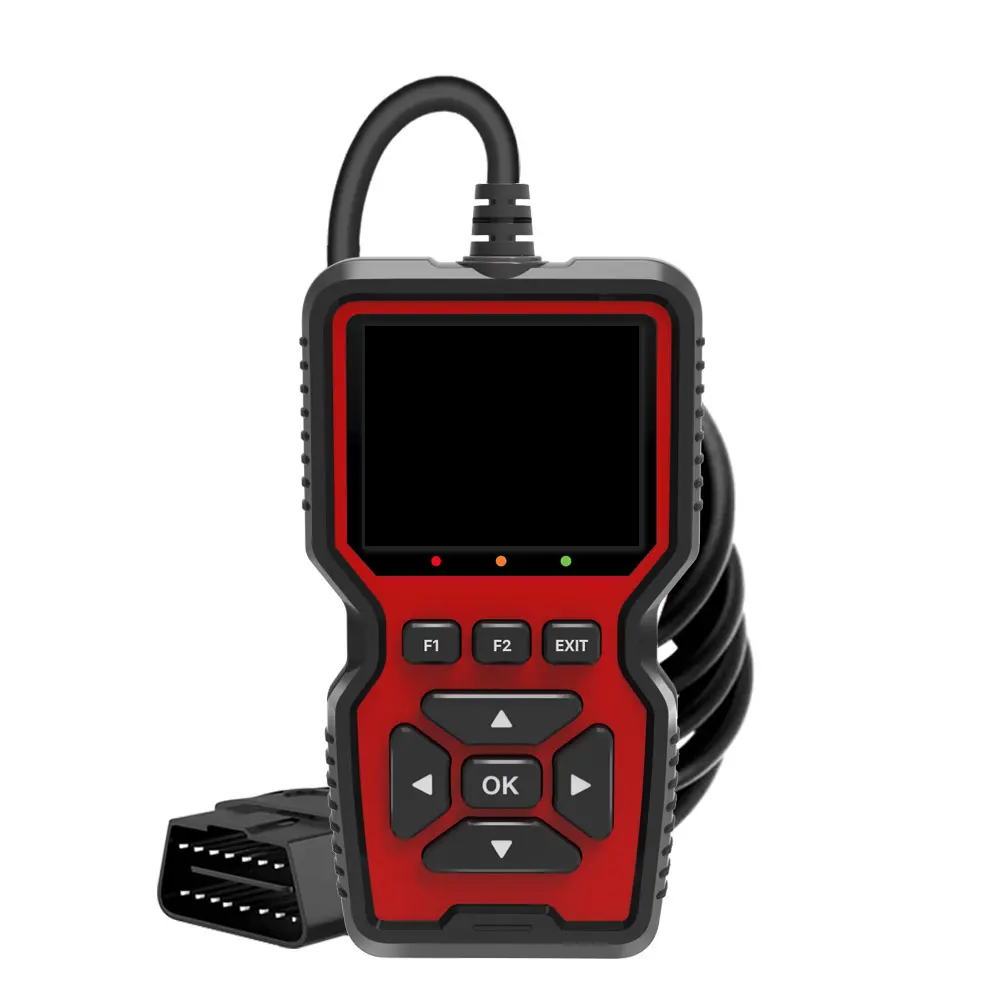
- Retrieve and Analyze DTCs and Freeze Frame Data: Connect an OBD-II scanner to verify P0007 is present and check for any related codes. Review freeze frame data to understand engine operating conditions (engine speed, load, temperature, etc.) when the code was set. This provides crucial context.
- Visual Inspection: Begin by visually inspecting the wiring harness connected to the fuel shutoff valve. Look for obvious signs of damage, fraying, cuts, chafing, or corrosion. Check the integrity of the electrical connectors at both the valve and the ECM. Ensure all terminals are clean, tight, and free from oxidation. Locate and inspect all fuses related to the fuel pump and engine management system; replace any blown fuses.
- Fuel Shutoff Valve Location: Identify the specific fuel shutoff valve ‘C’. This can vary greatly by make and model. In some diesel applications, it may be integrated into the fuel injection pump. In gasoline systems, it might be an in-line solenoid or part of the fuel pump assembly. Consult the vehicle’s service manual for its exact location and wiring diagrams.
- Electrical Circuit Test with DMM (Ignition OFF):
- Disconnect the fuel shutoff valve connector.
- Measure the resistance of the fuel shutoff valve solenoid itself across its terminals. Compare this reading to manufacturer specifications (typically a few ohms to several dozen ohms). An open circuit (infinite resistance) indicates an internal failure of the solenoid.
- Test for continuity between each terminal of the fuel shutoff valve connector (harness side) and ground. There should be no continuity to ground on the control wire unless specified by the manufacturer.
- Test for continuity of the power and ground wires (if applicable) back to the ECM or power source/ground point, using the wiring diagram.
- Electrical Circuit Test with DMM (Ignition ON):
- With the fuel shutoff valve connector still disconnected (harness side), turn the ignition to the ON position.
- Carefully test for voltage at the power supply terminal of the connector. Depending on the design, this may be battery voltage or a controlled voltage from the ECM.
- Test the control circuit wire for voltage. The ECM typically provides a voltage signal to operate the valve. A “circuit high” condition here, particularly if the valve is commanded OFF, would indicate a short to voltage or an open circuit where the ECM expects a load.
- If the valve is commanded ON by the ECM, expect to see appropriate voltage/ground signals to activate the solenoid. If the “high” condition persists when the ECM is commanding the valve ON, it points to a problem with the ECM’s driver circuit or a short to an external voltage source.
- ECM Verification (Advanced): If all wiring, connections, and the fuel shutoff valve itself test good, the fault may lie within the ECM. This requires advanced diagnostic tools to test ECM driver circuits or substitution with a known good, properly programmed ECM.
Recommended Repairs and Solutions
Once the root cause of P0007 has been accurately diagnosed, the following repairs are typically performed:
- Replace the Fuel Shutoff Valve: If the solenoid itself is found to have an internal open circuit or is mechanically seized, replacement is necessary. Ensure the replacement part is specific to the vehicle’s make, model, and engine type.
- Repair or Replace Wiring Harness: For damaged, chafed, or corroded wiring, repair the affected section by splicing in new wire with appropriate gauge and insulation, or replace the entire sub-harness if damage is extensive. Ensure all repairs are made with high-quality, weather-sealed connectors and proper soldering techniques.
- Clean or Replace Connectors: If corrosion or poor terminal tension is found in the electrical connectors, clean the terminals using electrical contact cleaner and a small brush. If terminals are severely corroded or damaged, replace the connector shell and terminals.
- Replace Blown Fuses: If a blown fuse was identified, replace it with a fuse of the correct amperage rating. Investigate why the fuse blew, as it might indicate an underlying short circuit.
- ECM Replacement and Programming: Only if all other components and wiring have been thoroughly tested and verified as functional should ECM replacement be considered. A new ECM will require programming or coding to the specific vehicle by a dealership or a specialist with the necessary tools.
After any repair, clear the DTCs with an OBD-II scanner and perform a drive cycle under conditions similar to when the code initially set to confirm the repair has resolved the issue and the code does not return.