What Does Code P0023 Mean?
DTC P0023 indicates an electrical circuit malfunction detected by the Engine Control Module (ECM), also known as the Powertrain Control Module (PCM), within the Camshaft Position Actuator ‘B’ circuit on Bank 2. In most variable valve timing (VVT) systems, ‘A’ typically refers to the intake camshaft and ‘B’ refers to the exhaust camshaft. Bank 2 denotes the cylinder bank that does not contain cylinder #1. The ECM utilizes the Camshaft Position Actuator Solenoid (also known as an Oil Control Valve or VVT solenoid) to regulate hydraulic oil pressure to a phaser mechanism on the exhaust camshaft, thereby advancing or retarding its timing relative to the crankshaft. This precise timing adjustment is critical for optimizing engine performance, fuel efficiency, and emissions across various RPMs and load conditions.
The ECM continuously monitors the electrical characteristics of this actuator circuit, including voltage, current draw, and resistance. When the ECM detects an electrical value that falls outside the manufacturer’s specified operational range—such as an open circuit, a short circuit to ground or power, or excessively high/low resistance—it interprets this as a circuit fault and sets the P0023 code, illuminating the Malfunction Indicator Lamp (MIL). This code specifically points to an electrical integrity issue with the control circuit for the exhaust camshaft on Bank 2, rather than a cam position sensor malfunction or mechanical timing issue directly, although those can be secondary effects.
Common Symptoms
- Illuminated Malfunction Indicator Lamp (MIL) or “Check Engine” Light
- Reduced engine performance, including sluggish acceleration or lack of power
- Decreased fuel economy
- Rough idle or stalling, especially during cold starts
- Audible engine noises, such as ticking, rattling, or knocking, particularly from the cylinder head area on Bank 2
- Increased exhaust emissions
- Difficulty starting the engine (less common, but possible if timing is severely impacted)
What Causes the Code P0023?
- Faulty Camshaft Position Actuator Solenoid (OCV/VVT Solenoid): The solenoid itself may have an internal electrical open circuit, short circuit, or high resistance. It can also fail mechanically, causing electrical symptoms due to binding or plunger issues.
- Wiring Harness Issues: An open circuit, short to ground, short to power, or excessive resistance within the wiring harness connecting the ECM/PCM to the Bank 2 exhaust camshaft actuator solenoid. This can be due to chafing, rodent damage, or heat degradation.
- Poor Electrical Connection: Corroded, bent, loose, or damaged terminals within the electrical connector at the camshaft actuator solenoid or at the ECM/PCM.
- ECM/PCM Failure: Although less common, an internal fault within the ECM/PCM’s driver circuit for the Bank 2 exhaust camshaft actuator can cause this code.
- Contaminated Engine Oil: While primarily causing mechanical VVT issues, severely contaminated or incorrect viscosity oil can lead to solenoid binding, which may cause the ECM to detect out-of-range current draw or resistance, triggering circuit codes.
How to Diagnose and Troubleshoot
Diagnosis of P0023 requires a systematic approach using specialized tools:
- Visual Inspection: Begin by visually inspecting the wiring harness and electrical connector for the Bank 2 exhaust camshaft actuator solenoid. Look for signs of damage, fraying, chafing, corrosion on connector pins, or loose connections. Verify that the engine oil level is correct and that the oil itself is clean and of the appropriate viscosity. Sludged oil can indirectly contribute to actuator issues.
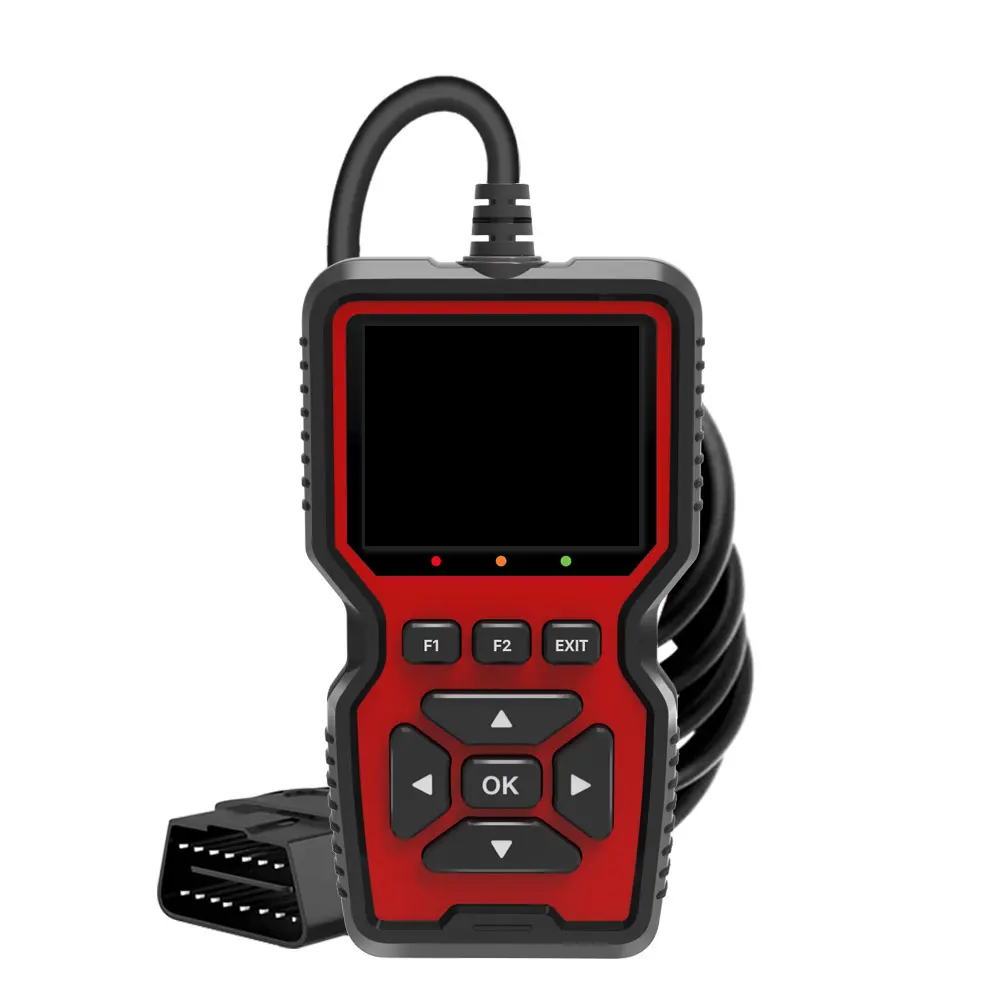
- OBD-II Scanner Analysis: Connect an OBD-II scan tool and retrieve all stored DTCs and freeze frame data. Note any other related codes, especially those pertaining to VVT systems (e.g., P0020, P0021, P0022, P0024, P0025). Clear the code and perform a short road test under varying engine conditions to see if P0023 immediately reappears. Utilize the scanner’s live data function to monitor the desired vs. actual camshaft position for Bank 2 exhaust, if available, and observe the commanded duty cycle or current for the B Bank 2 actuator.
- Digital Multimeter (DMM) Testing at Solenoid:
- Resistance Test: Disconnect the electrical connector from the Bank 2 exhaust camshaft actuator solenoid. Using a DMM, measure the resistance across the two terminals of the solenoid itself. Compare this reading to manufacturer specifications (typically 6-12 ohms). An open circuit (DMM reads ‘OL’ or infinite resistance) or a short circuit (DMM reads near 0 ohms) indicates a faulty solenoid.
- Power/Ground Supply Test: With the ignition ON (engine OFF) and the solenoid connector still disconnected, test the wiring harness connector. One terminal should show battery voltage (or a reference voltage) and the other should be a switched ground or a pulsed voltage signal from the ECM, depending on the control strategy. Use the DMM to verify proper voltage and ground integrity. For PWM controlled circuits, a DMM may only show an average voltage, making a lab scope more accurate for signal integrity.
- Continuity and Short Circuit Testing: Disconnect the ECM/PCM connector (refer to service manual for pinout) and the camshaft actuator solenoid connector. Perform continuity tests on both wires from the actuator connector back to the corresponding pins at the ECM connector. Any reading above a few ohms indicates high resistance or an open circuit. Test each wire for shorts to ground and shorts to power by checking continuity between the wire and a known good chassis ground, and between the wire and a fused 12V source, respectively.
- Actuator Functionality Test: If available, use the bidirectional control function on the scan tool to command the Bank 2 exhaust camshaft actuator ON and OFF. Listen for an audible click from the solenoid, which indicates mechanical movement. If no click is heard, or if live data shows no change in camshaft position despite command, the solenoid is likely faulty. Alternatively, a fused 12V power and ground can be briefly applied directly to the disconnected solenoid terminals (observing polarity if specified, or typically non-polar for simple solenoids) to check for a click, but exercise caution to avoid overheating.
Recommended Repairs and Solutions
Once the root cause of P0023 has been identified through thorough diagnosis, the following repairs are typically recommended:
- Replace the Camshaft Position Actuator Solenoid: This is the most common repair if DMM tests confirm an internal electrical fault (open, short, or out-of-spec resistance) or if the solenoid fails functional testing. Always ensure you replace the correct solenoid for Bank 2, exhaust side. Pay close attention to orientation and seal integrity during installation.
- Repair or Replace Wiring Harness: If diagnostic steps confirm a damaged, open, or shorted wiring harness, the affected section should be repaired using OEM-grade wires and connectors, or the entire sub-harness replaced. Proper soldering and heat-shrinking techniques are crucial for long-term reliability.
- Clean Electrical Connections: If corrosion or poor terminal tension is identified, clean the electrical connectors thoroughly using an approved electrical contact cleaner and apply dielectric grease to prevent future corrosion. Carefully re-tension any loose pins.
- Address Engine Oil Condition: If the engine oil was found to be excessively dirty, sludged, or of the incorrect viscosity, perform an immediate oil and filter change using the manufacturer-specified oil type and viscosity. While not a direct electrical fix, maintaining proper oil quality is paramount for VVT system health and preventing future solenoid failures.
- ECM/PCM Replacement: This should only be considered as a last resort, after all other components and wiring have been meticulously tested and ruled out. An ECM fault typically requires specialized programming after replacement, which should be performed by a qualified technician with appropriate equipment.
Mechanic’s Tips: Always use OEM or high-quality aftermarket replacement parts for VVT components to ensure proper functionality and longevity. After any repair, clear the DTCs and perform an extended drive cycle to confirm that the P0023 code does not return and that the VVT system is operating correctly. Always consult the vehicle’s specific service information for detailed wiring diagrams, component locations, and resistance/voltage specifications.