What Does Code P0049 Mean?
The diagnostic trouble code P0049 signifies that the Engine Control Module (ECM), often referred to as the Powertrain Control Module (PCM), has detected an excessive speed condition of the turbine within the vehicle’s forced induction system. Specifically, it indicates “Turbo/Super Charger Turbine Overspeed”. The ECM monitors the rotational speed of the turbocharger or supercharger turbine via a dedicated speed sensor or infers it through boost pressure and compressor speed calculations. When the monitored or calculated turbine speed exceeds a pre-programmed maximum RPM threshold established by the manufacturer, typically for a sustained period, the ECM will register P0049 and illuminate the Malfunction Indicator Lamp (MIL). This overspeed condition is critical as it can lead to catastrophic failure of the turbocharger/supercharger unit, including bearing failure, impeller disintegration, and potential ingestion of metallic debris into the engine’s intake, causing severe engine damage. The ECM’s primary function in this context is to prevent such failures by detecting and logging this anomaly, often initiating a ‘limp mode’ to protect the engine.
Common Symptoms
- Malfunction Indicator Lamp (MIL) illumination: The “Check Engine” light will be activated on the dashboard.
- Reduced engine power: The ECM may implement a ‘limp home’ mode to limit boost and engine RPM, resulting in noticeable power loss and sluggish acceleration.
- Unusual noises from the turbo/supercharger: High-pitched whining, screeching, or even grinding sounds may emanate from the forced induction unit, indicative of bearing stress or component damage.
- Excessive exhaust smoke: If turbine shaft seal failure occurs due to overspeed, engine oil may enter the exhaust stream, leading to blue or white smoke from the tailpipe.
- Erratic or no boost: The boost gauge (if equipped) may show inconsistent readings, or the engine may fail to build boost pressure effectively.
- Rough idling or stalling: In severe cases where the turbo/supercharger is heavily damaged or causes significant intake pressure issues.
What Causes the Code P0049?
- Faulty Turbocharger/Supercharger Speed Sensor: An incorrect or erroneous signal from the speed sensor can lead the ECM to falsely detect an overspeed condition, or fail to accurately report actual overspeed.
- Wastegate or Bypass Valve Malfunction: A wastegate (turbocharger) or bypass valve (supercharger) stuck in the closed position, or an actuator that fails to open it, will prevent exhaust gases from bypassing the turbine or boost pressure from recirculating, leading to uncontrolled turbine acceleration.
- Faulty Wastegate/Bypass Valve Actuator: Mechanical or electrical failure of the actuator responsible for controlling the wastegate (e.g., vacuum diaphragm rupture, electrical solenoid failure) can result in improper valve operation.
- Boost Control Solenoid Failure: A malfunctioning boost control solenoid (also known as a turbocharger bypass valve control solenoid or wastegate solenoid) can fail to regulate the vacuum or pressure applied to the wastegate/bypass valve actuator, causing it to remain closed.
- Vacuum/Pressure Leaks or Blockages: Leaks in the vacuum lines or pressure hoses controlling the wastegate/bypass valve actuator can prevent proper operation, leading to unintended boost. Conversely, blockages can also cause issues.
- Internal Turbocharger/Supercharger Damage: Worn bearings, a bent shaft, or damage to the turbine/compressor wheels can create excessive play or imbalance, leading to uncontrolled high-speed rotation or resistance that causes overspeed under certain conditions.
- ECM/PCM Software Glitch or Failure: Though less common, a corrupted ECM software calibration or an internal hardware fault within the ECM itself could lead to misinterpretation of sensor data or improper control of the boost system.
How to Diagnose and Troubleshoot
Diagnosis of P0049 requires a methodical approach, combining visual inspection, specialized tools, and electrical testing:
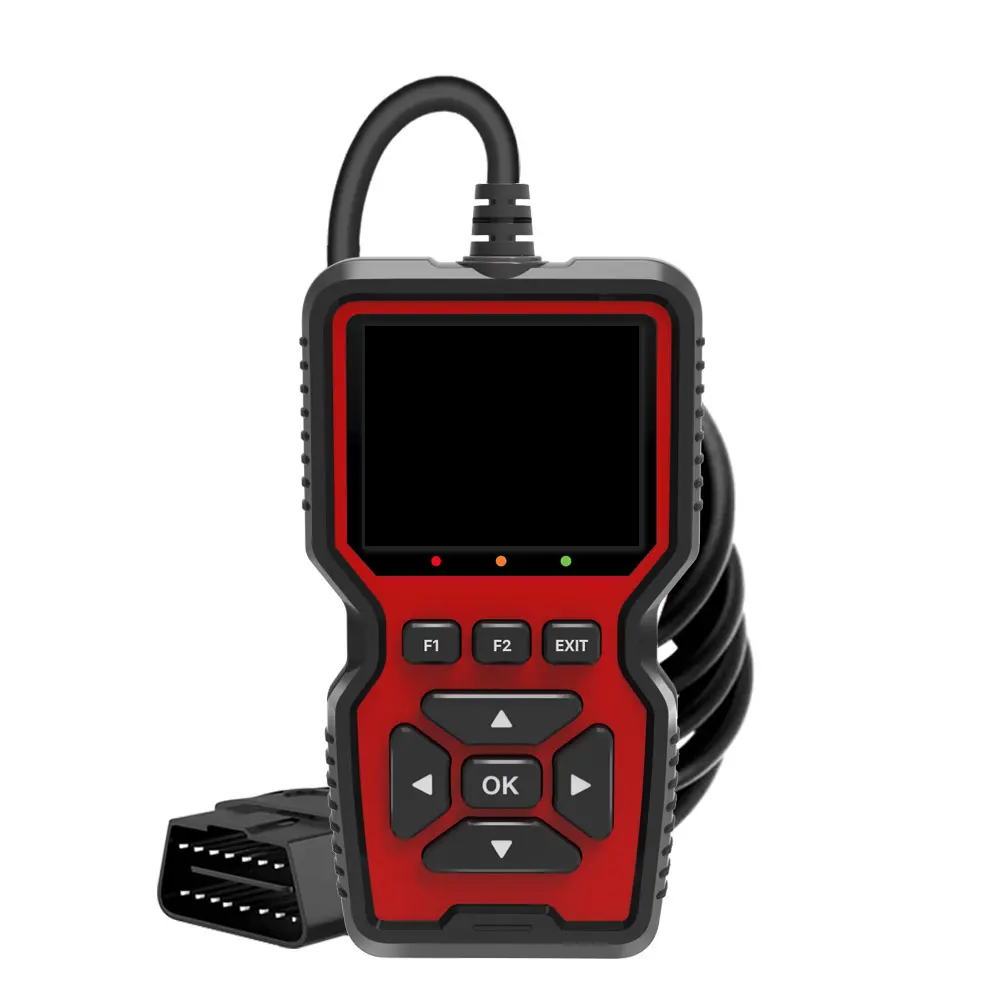
- Retrieve and Analyze Freeze Frame Data: Connect an OBD-II scanner and retrieve the P0049 code along with associated freeze frame data. This data provides crucial information about engine load, RPM, vehicle speed, boost pressure, and other parameters at the exact moment the code was set, offering context for the fault. Clear the code after review.
- Visual Inspection of the Forced Induction System:
- Inspect all vacuum lines and pressure hoses connected to the boost control solenoid, wastegate/bypass valve actuator, and turbo/supercharger for cracks, disconnections, or blockages.
- Examine electrical connectors and wiring harnesses for the turbo/supercharger speed sensor, boost control solenoid, and wastegate/bypass valve actuator for corrosion, damage, or loose connections.
- Physically inspect the turbocharger/supercharger unit for signs of damage, oil leaks, or excessive shaft play (grasp the shaft and attempt to move it side-to-side and in/out – minimal play is normal, but excessive play indicates bearing wear). Ensure the compressor and turbine blades are intact and not contacting the housing.
- Electrical Testing with a Digital Multimeter (DMM) and OBD-II Scanner Live Data:
- Turbocharger/Supercharger Speed Sensor: Using the OBD-II scanner, monitor live data for the turbo/supercharger speed sensor. Compare readings to manufacturer specifications and expected values at various engine RPMs. If the sensor reports erratic or implausible high speeds, test its circuit. With a DMM, check for proper reference voltage (typically 5V), ground, and the signal wire output. Some sensors output a frequency signal requiring an oscilloscope or a DMM with frequency measurement capability; others may output a varying voltage.
- Boost Control Solenoid: Test the solenoid’s resistance across its terminals with a DMM and compare it to specifications. Supply power and ground (if safe to do so per service manual) to check for audible clicking, indicating internal operation. Monitor its duty cycle via live data on the OBD-II scanner.
- Wastegate/Bypass Valve Actuator: If vacuum-actuated, use a hand-held vacuum pump to apply vacuum directly to the actuator. Observe if the wastegate/bypass valve arm moves smoothly and holds vacuum. If electrically actuated, check for proper voltage supply and ground, and monitor its position feedback (if available) via live data.
- Mechanical Testing:
- Wastegate/Bypass Valve Operation: Manually attempt to move the wastegate or bypass valve arm (if accessible) to ensure it’s not seized or sticking. It should move freely without excessive force.
- Boost Pressure Test: Utilize a specialized boost leak detector to pressurize the intake system and identify any leaks that could affect boost control.
- ECM/PCM Verification: If all sensors, actuators, and wiring prove to be in good working order, and no mechanical faults are found, consider a potential ECM/PCM issue. This is typically a last resort and may involve flashing the ECM with updated software or, in rare cases, replacement.
Recommended Repairs and Solutions
Once the root cause of P0049 has been accurately identified through thorough diagnosis, the following repairs and solutions are typically recommended:
- Replace Faulty Turbocharger/Supercharger Speed Sensor: If the sensor is found to be providing inaccurate or no readings, replacement with an OEM or high-quality aftermarket equivalent is necessary. Ensure proper reinstallation and connector seating.
- Repair or Replace Wastegate/Bypass Valve or Actuator: If the wastegate or bypass valve itself is stuck, or its actuator is faulty (e.g., a ruptured vacuum diaphragm, seized mechanism, or failed electrical component), the entire unit or the specific faulty component (if serviceable) should be replaced. After replacement, proper calibration or adaptation via the scan tool may be required.
- Repair Vacuum/Pressure Leaks: Replace any cracked, brittle, or disconnected vacuum lines or pressure hoses. Ensure all connections are secure and tight. Use appropriate hose clamps where necessary.
- Replace Boost Control Solenoid: If electrical tests confirm the solenoid is defective, replace it. Ensure the new solenoid is properly connected to both electrical and vacuum/pressure lines.
- Turbocharger/Supercharger Replacement or Rebuild: If internal damage (e.g., excessive shaft play, damaged impellers, bearing failure) is confirmed, the turbocharger or supercharger unit must be either rebuilt by a qualified specialist or replaced entirely. This is often the most significant and costly repair.
- ECM/PCM Reprogramming or Replacement: If the ECM is determined to be the culprit, consult dealer-level diagnostic tools for software updates. In rare cases of internal hardware failure, the ECM/PCM may require replacement and subsequent programming to the vehicle.
Important Mechanics’ Tips:
- Always clear the diagnostic trouble codes and perform a comprehensive test drive after any repair to confirm the fix and ensure the code does not return. Monitor live data during the test drive for proper turbo/supercharger operation.
- Before replacing the turbocharger, investigate the cause of its failure. For instance, if excessive shaft play was due to oil starvation, merely replacing the turbo without addressing the underlying oil supply issue (e.g., clogged oil feed lines, low oil pressure) will lead to premature failure of the new unit.
- When working on forced induction systems, cleanliness is paramount. Any debris entering the intake or exhaust side can cause immediate damage to the turbo/supercharger.
- Use only OEM or reputable aftermarket parts for critical components like sensors, actuators, and especially the turbo/supercharger itself to ensure longevity and proper performance.
- Always verify engine oil level and quality, as proper lubrication is vital for turbocharger bearing health. Consider an oil and filter change as part of a comprehensive turbocharger service.
- Check for related codes. Other DTCs present might provide additional clues to the root cause of the P0049, such as boost pressure sensor faults or engine misfires affecting exhaust flow.