What Does Code P0189 Mean?
The diagnostic trouble code P0189, “Fuel Temperature Sensor B Circuit Intermittent,” indicates that the Powertrain Control Module (PCM) or Engine Control Module (ECM) has detected an inconsistent or erratic electrical signal from the Fuel Temperature Sensor (FTS) designated as “B.” This sensor is typically a thermistor, which changes its electrical resistance based on temperature, thereby altering the voltage signal sent back to the PCM. The “B” designation refers to a specific sensor in systems equipped with multiple fuel temperature sensors, or a single sensor designated as “B” by the manufacturer, often located in the fuel rail, fuel tank, or fuel filter housing.
The PCM uses the FTS signal to calculate the precise fuel density and adjust fuel injection timing, duration, and pressure to optimize combustion efficiency and emissions. It continuously monitors the FTS circuit for expected voltage ranges and smooth transitions. An “intermittent” circuit fault signifies that the signal sporadically deviates from its normal operating parameters, perhaps briefly dropping out, showing implausible spikes or dips, or momentarily going out of range, rather than a continuous high or low voltage condition. This suggests a transient electrical issue within the sensor itself, its wiring, or connectors, rather than a constant open or short circuit. This intermittent data can lead to the PCM making incorrect fuel delivery calculations, affecting various aspects of engine operation.
Common Symptoms
- Intermittent illumination of the Check Engine Light (CEL), which may reset and reappear.
- Difficulty starting the engine, particularly under specific temperature conditions (e.g., cold starts, hot restarts).
- Noticeable decrease in fuel economy.
- Rough idling or stumbling, especially during warm-up or under varying load conditions.
- Hesitation or reduced engine performance during acceleration.
- Potential issues with emissions system components, such as catalytic converter efficiency due to incorrect fuel trims.
- In some diesel applications, potential for incorrect Diesel Particulate Filter (DPF) regeneration cycles or inaccurate Diesel Exhaust Fluid (DEF) dosing.
What Causes the Code P0189?
- Faulty Fuel Temperature Sensor B: The sensor itself may have an internal intermittent open or short circuit, often due to thermal fatigue, vibration, or ingress of contaminants causing inconsistent resistance readings.
- Intermittent Wiring Harness Issues: Damaged, chafed, or corroded wiring in the FTS B circuit can lead to sporadic loss of signal, shorting to ground, or intermittent high resistance. This includes wire insulation breakdown or internal wire breaks that only manifest under specific conditions (e.g., vibration, movement, temperature changes).
- Poor Electrical Connections: Loose, corroded, or contaminated terminals at the FTS B connector, or at the PCM/ECM connector, can cause intermittent signal drops or resistance fluctuations.
- Engine Control Module (ECM/PCM) Failure: While rare, an internal intermittent fault within the ECM’s input circuit for the FTS B can generate this code. This should only be considered after all other possibilities have been meticulously ruled out.
- Fuel Contamination: Severe fuel contamination, such as water or debris, can occasionally affect the sensor’s ability to accurately measure temperature, leading to erratic readings, although this is less common for a “circuit intermittent” code.
How to Diagnose and Troubleshoot
Diagnosing P0189 requires a systematic approach focusing on intermittent electrical integrity:
- Initial Visual Inspection: Begin by visually inspecting the Fuel Temperature Sensor B and its entire wiring harness from the sensor to the PCM. Look for obvious signs of damage, such as chafing, cuts, pinch points, corrosion at connectors, loose terminals, or any alterations to the wiring. Ensure the sensor is securely mounted.
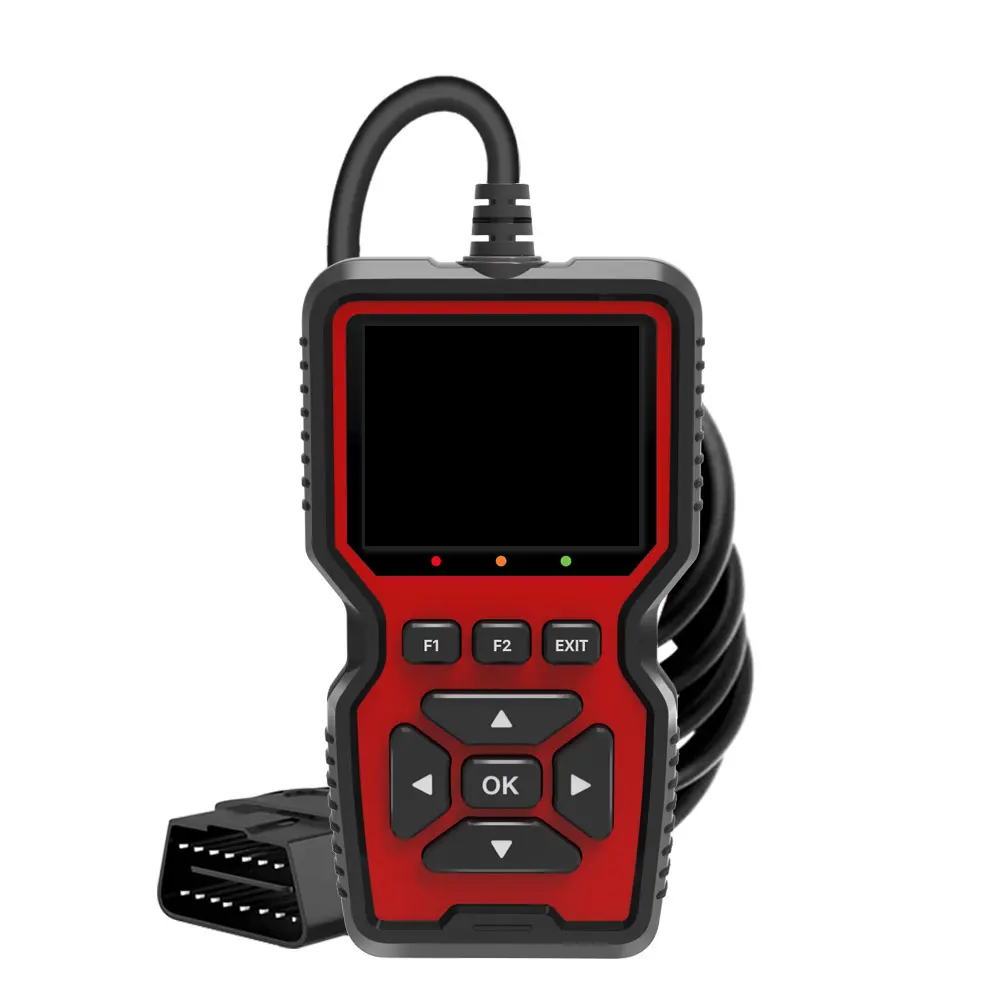
- OBD-II Scanner Live Data Analysis: Connect an OBD-II scanner and monitor the live data stream for Fuel Temperature Sensor B. Observe the temperature readings for any sudden, uncharacteristic drops, spikes, or flatline readings that do not correlate with ambient or engine temperatures. Perform a “wiggle test” by gently manipulating the FTS B connector and wiring harness while monitoring the live data. Any erratic changes in the FTS B reading during this test strongly suggest an intermittent connection issue. Note any associated freeze frame data.
- Digital Multimeter (DMM) – Resistance Test (Sensor Out of Circuit): Disconnect the FTS B electrical connector. Using a DMM set to ohms, measure the resistance across the sensor terminals. The resistance value should change smoothly and predictably with temperature. You can use a heat gun (carefully, on a low setting) or a cold spray to gently vary the sensor’s temperature while observing the resistance. Look for intermittent open circuits (infinite resistance), erratic fluctuations, or readings that momentarily drop out. Compare readings to manufacturer specifications if available.
- DMM – Voltage Reference and Signal Check (Sensor In Circuit): With the ignition ON and the FTS B connected, backprobe the electrical connector to measure voltage.
- Verify the reference voltage (typically 5V) supplied to the sensor. Ensure it is stable and within specifications.
- Backprobe the FTS B signal wire. This voltage should vary smoothly based on fuel temperature. Perform the wiggle test on the wiring and connector again while monitoring this signal voltage. Look for any intermittent drops to 0V, sudden jumps to the reference voltage, or erratic fluctuations.
- Check the ground circuit for continuity to a known good ground using the DMM.
- Circuit Load Test: For suspected wiring harness issues, a simple continuity test may not reveal intermittent high resistance. Perform a circuit load test by disconnecting the FTS B and connecting a small incandescent bulb (e.g., a test light or small tail light bulb) across the power and ground terminals of the harness connector (if safe and appropriate for the circuit, consult wiring diagrams). The bulb should illuminate brightly and steadily. Wiggle the harness while observing the bulb for any flickering or dimming, indicating an intermittent voltage drop.
- PCM/ECM Connector Inspection: If all sensor and wiring tests point to no fault, carefully inspect the PCM/ECM connector for corrosion, pushed-out pins, or loose terminals relevant to the FTS B circuit. In very rare cases, an intermittent internal PCM fault may be suspected, but this should be a last resort.
Recommended Repairs and Solutions
Based on the diagnostic findings, the following repairs are commonly recommended:
- Repair or Replace Wiring Harness: If the diagnosis indicates damaged, chafed, or corroded wiring, the affected section of the harness should be repaired using proper automotive wiring repair techniques (solder and heat shrink tubing) or replaced. Ensure any repairs maintain the original wire gauge and insulation integrity.
- Replace Fuel Temperature Sensor B: If the sensor itself exhibits intermittent internal faults (e.g., erratic resistance or voltage output during testing), replacement is necessary. Always use an OEM-quality replacement sensor to ensure accurate readings and long-term reliability.
- Clean and Secure Electrical Connectors: If corrosion or loose terminals are found, disconnect the battery, clean the terminals using an electrical contact cleaner and a small brush, and then apply a thin layer of dielectric grease to prevent future corrosion. Ensure all connectors are fully seated and locked.
- PCM/ECM Replacement (Rare): If all other components and wiring have been thoroughly tested and verified as sound, and a persistent intermittent fault is still present, the PCM/ECM may be the cause. This should only be considered after exhaustive troubleshooting, as it is an expensive and complex repair. Often, an automotive oscilloscope is required to definitively diagnose intermittent PCM input/output issues.
- Post-Repair Verification: After any repair, clear the DTCs using an OBD-II scanner. Perform several drive cycles under varying operating conditions, including those that might have previously triggered the intermittent fault (e.g., cold start, prolonged driving at specific speeds or temperatures), to confirm that the repair is successful and the P0189 code does not return. Monitor the FTS B live data during these drives to ensure stable and plausible readings.