What Does Code P0218 Mean?
DTC P0218 signifies that the Powertrain Control Module (PCM), or in some applications the dedicated Transmission Control Module (TCM), has detected an excessively high transmission fluid temperature (TFT). This condition is determined when the input signal from the Transmission Fluid Temperature (TFT) sensor indicates that the fluid’s thermal state has exceeded a manufacturer-specified maximum operating threshold. This threshold is engineered to safeguard internal transmission components, such as clutch packs, bands, seals, and bearings, from degradation due to thermal stress. Sustained operation above this temperature can lead to accelerated wear, fluid breakdown, reduced lubrication effectiveness, and eventual catastrophic transmission failure. Upon detection, the PCM/TCM typically illuminates the Malfunction Indicator Lamp (MIL) and may initiate protective strategies, such as engaging a “limp mode” to restrict gear selection, reduce engine power, or inhibit torque converter lock-up, thereby attempting to mitigate further heat generation and prevent damage.
Common Symptoms
- Malfunction Indicator Lamp (MIL) illumination: The “Check Engine” light or a specific transmission warning light will be activated.
- Transmission entering “limp mode”: Reduced power output, limited gear selection (often third or fourth gear only), or restricted speed.
- Harsh or erratic shifting: Gears may engage abruptly, slip, or exhibit delayed shifts.
- Burning smell: A distinct odor of overheated or burnt transmission fluid, particularly noticeable after driving.
- Visible fluid leaks: Overheated fluid can degrade seals, leading to external leaks.
- Reduced fuel economy: Increased friction and inefficient operation due to overheating.
- Engine coolant temperature rising: While not direct, a shared cooling system can sometimes show elevated engine temperatures.
What Causes the Code P0218?
- Low transmission fluid level: Insufficient fluid volume prevents proper heat dissipation and lubrication.
- Restricted or damaged transmission cooler: Blockages (internal debris, external dirt/fins bent) or damage in the auxiliary cooler or radiator’s integrated cooler reduces cooling efficiency.
- Internal transmission friction and wear: Worn clutch packs, bands, or bearings generate excessive heat during operation.
- Faulty Transmission Fluid Temperature (TFT) sensor: An inaccurate sensor providing erroneous high-temperature readings to the PCM/TCM.
- Incorrect transmission fluid type or degraded fluid: Using fluid that does not meet OEM specifications or fluid that has lost its thermal stability and lubrication properties.
- Heavy towing or hauling beyond vehicle capacity: Placing excessive load and stress on the transmission, leading to increased heat generation.
- Damaged or failing torque converter: Excessive slippage within the torque converter generates significant heat.
- Internal transmission pump failure: Reduced fluid circulation capacity inhibits cooling and lubrication.
- Aggressive driving habits: Prolonged high-RPM operation, frequent hard acceleration, or continuous uphill driving, especially in hot climates.
How to Diagnose and Troubleshoot
Diagnosis of P0218 requires a methodical approach, often beginning with visual inspection and progressing to sensor and system testing:
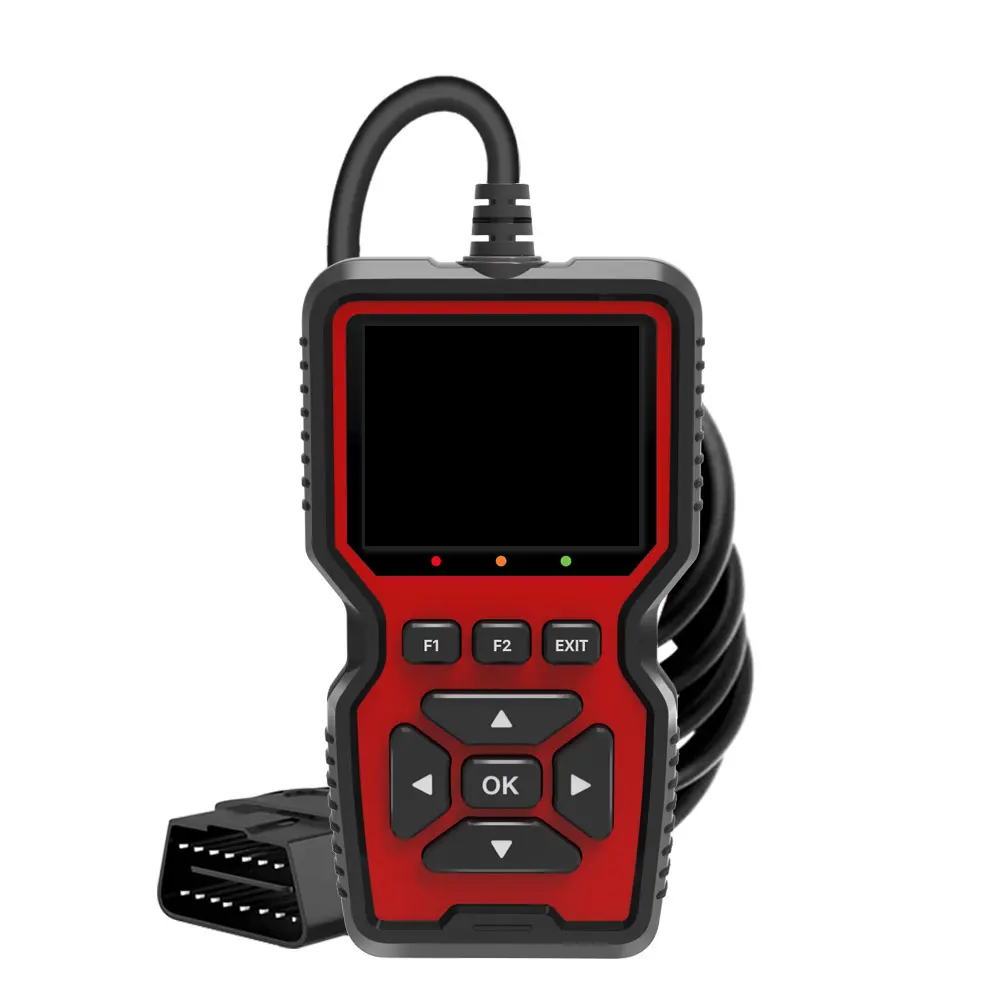
- Initial Scan and Live Data Analysis: Connect an OBD-II scanner to verify the presence of P0218 and check for any correlating codes (e.g., P0710-P0714 for TFT sensor circuit issues). Access live data streams to monitor the Transmission Fluid Temperature (TFT) sensor reading. Compare this reading to the engine coolant temperature (ECT) sensor reading after a cold soak (should be similar) and during operation. Note if the TFT reading appears excessively high or fluctuates erratically.
- Transmission Fluid Level and Condition Inspection: Park the vehicle on a level surface. With the engine running and at operating temperature (or as specified by the manufacturer), check the transmission fluid level using the dipstick. Ensure it is within the “hot” range. Observe the fluid’s color and smell. Healthy fluid is typically red or pink; dark brown or black fluid with a burnt odor indicates severe overheating and degradation.
- Visual Inspection of Cooling System Components: Inspect the transmission cooler lines for kinks, damage, or leaks. Examine the external transmission cooler (if separate) and the integrated cooler within the radiator for obstructions (leaves, dirt, bent fins) or signs of damage. Verify cooling fan operation when temperatures are high.
- Transmission Fluid Temperature (TFT) Sensor Testing:
- Locate the TFT sensor, often found within the transmission pan or valve body.
- Disconnect the sensor’s electrical connector.
- Using a Digital Multimeter (DMM), measure the resistance across the sensor terminals. Compare this reading to the manufacturer’s specified resistance-temperature chart (found in a service manual). A common characteristic for thermistor-type sensors is decreasing resistance as temperature increases.
- Test the sensor’s wiring for continuity to the PCM/TCM and for short circuits to ground or voltage using the DMM. Check for proper reference voltage and ground at the sensor connector from the PCM/TCM.
- Transmission Cooler Flow Test (Advanced): If a restricted cooler is suspected, a specialized flow test can be performed. This involves disconnecting the cooler lines and measuring the volume of fluid that flows through the cooler over a specified time, or observing pressure drop. Consult service manual specifications for proper flow rates.
- Road Test and Advanced Live Data: Perform a controlled road test, monitoring TFT, vehicle speed, engine RPM, and gear selection. Observe how rapidly the TFT rises under varying load conditions (e.g., uphill grades, city driving). Note if the temperature stabilizes or continues to climb beyond acceptable limits. If the temperature reads high but the transmission doesn’t feel or smell hot, suspect a faulty sensor.
- Internal Pressure Tests (Advanced): If all external checks are inconclusive and symptoms persist, internal transmission issues may be indicated. Line pressure tests (requiring specialized gauges and knowledge) can help diagnose internal pump or clutch pack wear.
Recommended Repairs and Solutions
Addressing DTC P0218 primarily involves rectifying the root cause of the excessive heat generation or erroneous temperature reporting:
- Top Up/Replace Transmission Fluid and Filter: If the fluid level is low, replenish with the correct OEM-specified fluid type. If the fluid is burnt, discolored, or smells rancid, a complete transmission fluid and filter change is imperative. This removes degraded fluid and any particulate matter.
- Repair/Replace Transmission Cooling Components:
- If the transmission cooler or associated lines are restricted, damaged, or leaking, they must be replaced. Attempting to flush severely restricted coolers is often ineffective; replacement is the recommended course of action.
- Ensure the cooling fan operates correctly. Repair or replace if faulty.
- Replace Faulty Transmission Fluid Temperature (TFT) Sensor: If diagnostic testing confirms the TFT sensor is inaccurate or failing, replace it with an OEM-quality part. Also, repair any damaged wiring or connectors leading to the sensor.
- Address Overloading/Driving Habits: Educate the vehicle owner about proper towing capacities and suitable driving techniques to prevent recurrence, especially in demanding conditions.
- Internal Transmission Repair or Overhaul: If internal component wear (e.g., clutch packs, bands, torque converter) is determined to be the cause of excessive heat, a transmission overhaul or replacement will be necessary. This is typically the most extensive and costly repair.
- Torque Converter Replacement: If the torque converter is diagnosed with excessive slippage causing overheating, it must be replaced. Often, this is performed during a transmission overhaul.
- Verify PCM/TCM Software: In rare cases, a dealer-level PCM/TCM software update or recalibration might address incorrect temperature thresholds or sensor interpretation issues.
Mechanic’s Tip: Always use the exact transmission fluid specified by the vehicle manufacturer. Using an incorrect fluid type, even if labeled “universal,” can lead to premature transmission failure due to inadequate thermal properties and lubrication.