What Does Code P0248 Mean?
DTC P0248 signifies a detected fault within the Turbocharger/Supercharger Wastegate Solenoid “B” circuit, indicating a performance or range issue. In forced induction systems, the wastegate is a crucial component responsible for regulating exhaust gas flow to the turbine, thereby controlling the turbocharger’s boost pressure. The Engine Control Module (ECM) or Powertrain Control Module (PCM) utilizes a wastegate control solenoid (often pulse-width modulated) to precisely actuate the wastegate. The “B” designation typically refers to a specific circuit or component within a multi-wastegate system, or simply a secondary control circuit if the “A” circuit is also defined, but in many single-turbo applications, it refers to the primary wastegate control circuit if “A” is not used or it denotes a specific bank/side. The ECM monitors the commanded duty cycle to the wastegate solenoid and correlates this with feedback from the boost pressure sensor (MAP sensor) and other engine load parameters (RPM, throttle position). When the ECM detects that the actual boost pressure deviates significantly or consistently from the desired boost pressure, despite its attempts to regulate it via the wastegate solenoid “B,” or if the electrical feedback from the solenoid circuit itself is out of expected parameters, it registers a P0248. This indicates that the wastegate solenoid “B” is either not functioning correctly, not receiving the correct control signals, or the mechanical components it controls are not responding as expected within their operational range.
Common Symptoms
- Reduced Engine Power: The most common symptom, often accompanied by the vehicle entering a “limp mode” to prevent damage from over-boost or under-boost conditions.
- Check Engine Light (CEL) Illuminated: The primary indicator on the instrument cluster.
- Poor Acceleration/Turbo Lag: Noticeable delay or lack of responsiveness when demanding power, indicating inefficient turbo operation.
- Unusual Noises: Potential for a rattling sound from the turbocharger area if the wastegate flap is loose or sticking, or a noticeable whine from the turbo if it’s over-spinning due to a stuck-closed wastegate.
- Poor Fuel Economy: The engine’s attempt to compensate for reduced power or inefficient combustion can lead to increased fuel consumption.
- Engine Hesitation or Stumbling: Especially during acceleration as the ECM struggles to maintain target boost.
What Causes the Code P0248?
- Faulty Turbocharger Wastegate Solenoid “B”: Internal electrical failure (open circuit, short circuit, high resistance), mechanical binding, or contamination preventing proper operation.
- Vacuum or Pressure Leaks: For vacuum-actuated wastegates, a leak in the vacuum lines, vacuum reservoir, or vacuum pump can prevent the actuator from moving correctly. For pressure-actuated wastegates, a leak in the boost reference lines can cause issues.
- Damaged Wastegate Actuator: A ruptured diaphragm within the actuator, a bent or seized actuator rod, or a faulty spring preventing the wastegate from opening or closing fully.
- Wiring and Connector Issues: Corroded terminals, loose connections, open circuits, or short circuits in the wiring harness leading to the wastegate solenoid “B.”
- Stuck or Binding Wastegate Flap/Valve: Carbon buildup, corrosion, or mechanical damage preventing the wastegate valve from moving freely within the turbine housing.
- Faulty Boost Pressure Sensor (MAP/BPS): While not a direct cause of a wastegate solenoid fault, an inaccurate MAP/BPS reading can mislead the ECM, causing it to misinterpret boost levels and command incorrect wastegate actions, potentially triggering P0248.
- PCM/ECM Malfunction: Although less common, an internal fault within the engine control module preventing proper wastegate solenoid control or interpretation of feedback signals.
How to Diagnose and Troubleshoot
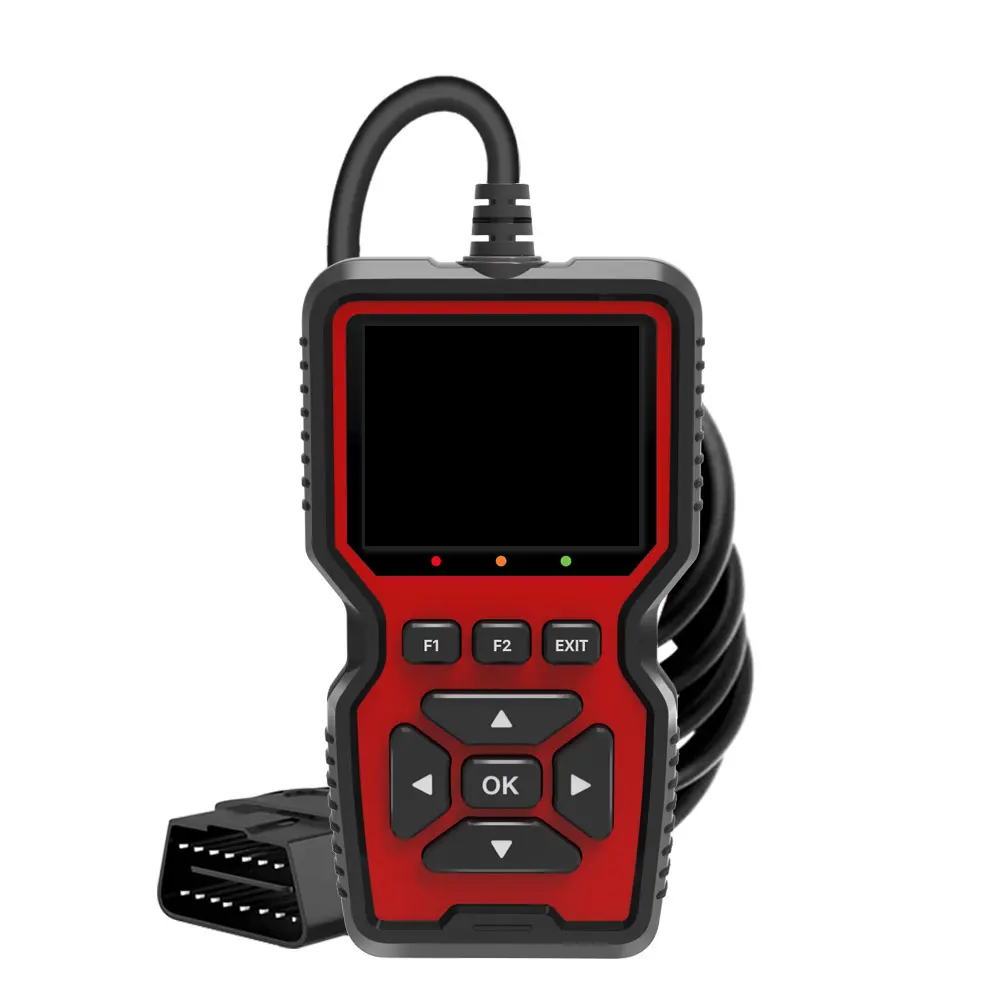
Diagnosis of P0248 requires a methodical approach, often utilizing an OBD-II scanner with live data capabilities and a Digital Multimeter (DMM).
- Initial Scan and Freeze Frame Data Analysis: Connect an OBD-II scan tool and retrieve P0248. Note any other present or pending DTCs. Critically, review the freeze frame data. This snapshot of sensor readings (engine RPM, vehicle speed, engine load, boost pressure, throttle position) at the time the code was set can provide valuable clues regarding the operating conditions that led to the fault.
- Visual Inspection of the Wastegate System:
- Inspect all vacuum or pressure lines connected to the wastegate actuator and solenoid. Look for cracks, kinks, chafing, disconnections, or signs of leaks. Ensure all connections are secure.
- Examine the electrical connector for the wastegate solenoid “B.” Check for corrosion on terminals, bent pins, pushed-out pins, or damage to the plastic housing.
- Visually inspect the wastegate actuator rod for any bends, damage, or signs of binding. If accessible, manually try to move the wastegate rod to check for free movement of the wastegate flap within the turbocharger.
- Check for any physical damage to the turbocharger itself, such as excessive shaft play or signs of exhaust leaks around the wastegate housing.
- Wastegate Solenoid “B” Electrical Test:
- Resistance Check: With the engine off and the solenoid disconnected, use a DMM to measure the resistance across the two terminals of the wastegate solenoid. Compare this reading to manufacturer specifications (typically 10-30 ohms). An open circuit (OL) or a resistance significantly outside the specified range indicates an internal solenoid fault.
- Power and Ground Supply Check: With the ignition ON (engine OFF), test for proper voltage supply at the solenoid connector (usually 12V) relative to chassis ground. Also, verify the ground circuit’s integrity back to the PCM (if it’s a switched ground design) or a constant ground. For PCM-controlled solenoids, one wire will typically have battery voltage with the ignition on, and the PCM controls the ground side.
- Solenoid Functionality Test: If resistance is within spec, and power/ground are confirmed, apply appropriate voltage (e.g., 12V, briefly and according to manufacturer specs) directly to the solenoid’s terminals to see if it clicks, indicating mechanical activation. Some advanced scan tools can also perform bi-directional control tests to cycle the solenoid.
- Wastegate Actuator Functionality Test:
- Vacuum/Pressure Application: Disconnect the vacuum or pressure line from the wastegate actuator. Using a hand-held vacuum pump (for vacuum-actuated systems) or a pressure pump (for pressure-actuated systems), apply the specified amount of vacuum/pressure to the actuator. Observe if the wastegate rod moves smoothly and holds its position. A sudden drop in vacuum/pressure indicates a ruptured diaphragm or leak in the actuator.
- Wiring Integrity Test:
- Perform continuity checks on the wiring harness between the wastegate solenoid connector and the ECM/PCM connector. Check for opens or shorts to ground or power. Use wiring diagrams specific to the vehicle.
- Live Data Monitoring (Test Drive):
- With an advanced scan tool, monitor relevant live data parameters during a test drive under varying load conditions. Key parameters include: “Desired Boost Pressure,” “Actual Boost Pressure” (from MAP sensor), “Wastegate Solenoid Duty Cycle,” “Engine RPM,” and “Throttle Position.” Observe if the actual boost pressure tracks the desired boost pressure and if the wastegate solenoid duty cycle responds appropriately to changes in boost demand. A discrepancy here, especially if the solenoid is commanded ON but boost remains low (or high), points to a mechanical or control issue.
Recommended Repairs and Solutions
Once the diagnostic process has pinpointed the root cause, the following repairs are commonly indicated:
- Replace Faulty Wastegate Solenoid “B”: If the solenoid fails electrical tests (resistance, power/ground, or activation), replacement is necessary. Ensure the replacement part is an OEM equivalent or high-quality aftermarket component to ensure proper operation and longevity. Always clear DTCs and perform a thorough test drive after replacement.
- Repair/Replace Vacuum or Pressure Lines: Any discovered leaks, cracks, or disconnections in the vacuum or pressure lines must be repaired or the lines replaced. Ensure new lines are of the correct diameter and material for the application.
- Replace Wastegate Actuator: If the actuator diaphragm is ruptured or the rod mechanism is seized, the actuator needs replacement. In some turbocharger designs, the actuator is a separate, replaceable component, while in others, it may be integrated, potentially requiring turbocharger replacement.
- Repair Wiring and Connectors: Address any identified open circuits, short circuits, or corroded terminals in the wiring harness. Use appropriate wire repair techniques (soldering, heat shrink) and connector repair kits.
- Free or Replace Stuck Wastegate Flap: If diagnostic steps indicate a physically stuck wastegate flap (due to carbon buildup, corrosion, or mechanical damage), it may sometimes be freed with specialized cleaning agents or by carefully manipulating the flap if accessible. However, severe cases often necessitate removal of the turbocharger for proper repair or, more commonly, replacement of the turbocharger assembly, especially if the wastegate mechanism is integral and non-serviceable.
- Address Secondary Faults: If a faulty MAP/BPS sensor was misleading the ECM, replace the sensor. After any repair, clear the DTCs and perform an extended test drive, including periods of moderate to high boost, to confirm the repair and ensure the P0248 code does not return.
- PCM/ECM Reprogramming or Replacement: This is a last resort. Only consider a PCM fault if all other components and wiring have been meticulously tested and verified to be in perfect working order, and diagnostic paths strongly point to an internal ECM issue.