What Does Code P0252 Mean?
DTC P0252 stands for Injection Pump Fuel Metering Control “A” Range/Performance (Cam/Rotor/Injector). This code indicates that the Engine Control Module (ECM) or Powertrain Control Module (PCM) has detected an anomaly in the fuel metering control system within the high-pressure fuel injection pump, specifically concerning its “A” circuit or mechanical operation. The ECM continuously monitors the actual fuel quantity delivered by the injection pump and compares it against the commanded fuel quantity required based on engine load, RPM, and driver input. When the actual fuel delivery consistently deviates from the commanded value, or if the feedback from the fuel metering control actuator (often a solenoid or stepper motor) falls outside of its expected operational range or performance parameters, the ECM registers P0252. This suggests a problem with the precision or capability of the pump’s internal mechanism (e.g., cam plate, rotor, plungers, or associated control valve) to accurately regulate fuel flow, rather than a definitive electrical open or short, which would typically trigger a different code (e.g., P0251 for circuit malfunction).
Common Symptoms
- Illumination of the Malfunction Indicator Lamp (MIL) on the dashboard.
- Significant reduction in engine power and acceleration (limp home mode).
- Rough idling or intermittent stalling, especially at low RPMs.
- Difficulty starting the engine or a complete no-start condition.
- Increased exhaust smoke (can be black due to rich mixture or white/blue due to unburnt fuel).
- Noticeable increase in fuel consumption.
- Engine hesitation or misfires under various load conditions.
What Causes the Code P0252?
- Faulty Fuel Metering Control Valve/Actuator: This is a common culprit. The solenoid or stepper motor responsible for regulating fuel quantity within the injection pump may be mechanically sticking, internally shorted, have an open circuit, or exhibit excessive wear, preventing precise fuel control.
- Worn or Damaged Fuel Injection Pump Internal Components: Issues with the mechanical elements within the high-pressure pump, such as the cam plate, rollers, plungers, rotor assembly, or delivery valves, can lead to inconsistent fuel delivery that the metering control system cannot compensate for.
- Fuel Contamination: Water, dirt, or debris in the fuel system can cause mechanical binding, corrosion, or wear within the fuel metering control valve or the pump’s internal moving parts.
- Low Fuel Pressure Supply: Insufficient fuel pressure from the low-pressure (lift) pump or a restricted fuel filter can starve the high-pressure pump, making it unable to deliver the commanded fuel quantity, triggering a “performance” fault.
- Wiring and Connector Issues: Damaged, corroded, or loose electrical connections and wiring harness faults leading to the fuel metering control valve can disrupt the ECM’s ability to command or monitor the system accurately.
- ECM/PCM Malfunction: While less common, a defective ECM could inaccurately command the fuel metering valve or misinterpret its feedback, leading to an incorrect diagnosis.
How to Diagnose and Troubleshoot
Diagnosing P0252 requires a methodical approach, often involving a diagnostic scanner, a digital multimeter (DMM), and potentially a fuel pressure gauge.
- Visual Inspection: Begin by thoroughly inspecting the wiring harness and connectors leading to the fuel injection pump and its fuel metering control valve. Look for signs of chafing, cuts, corrosion, or loose terminals. Examine the fuel lines for leaks, kinks, or obvious restrictions.
- OBD-II Scanner Live Data Analysis:
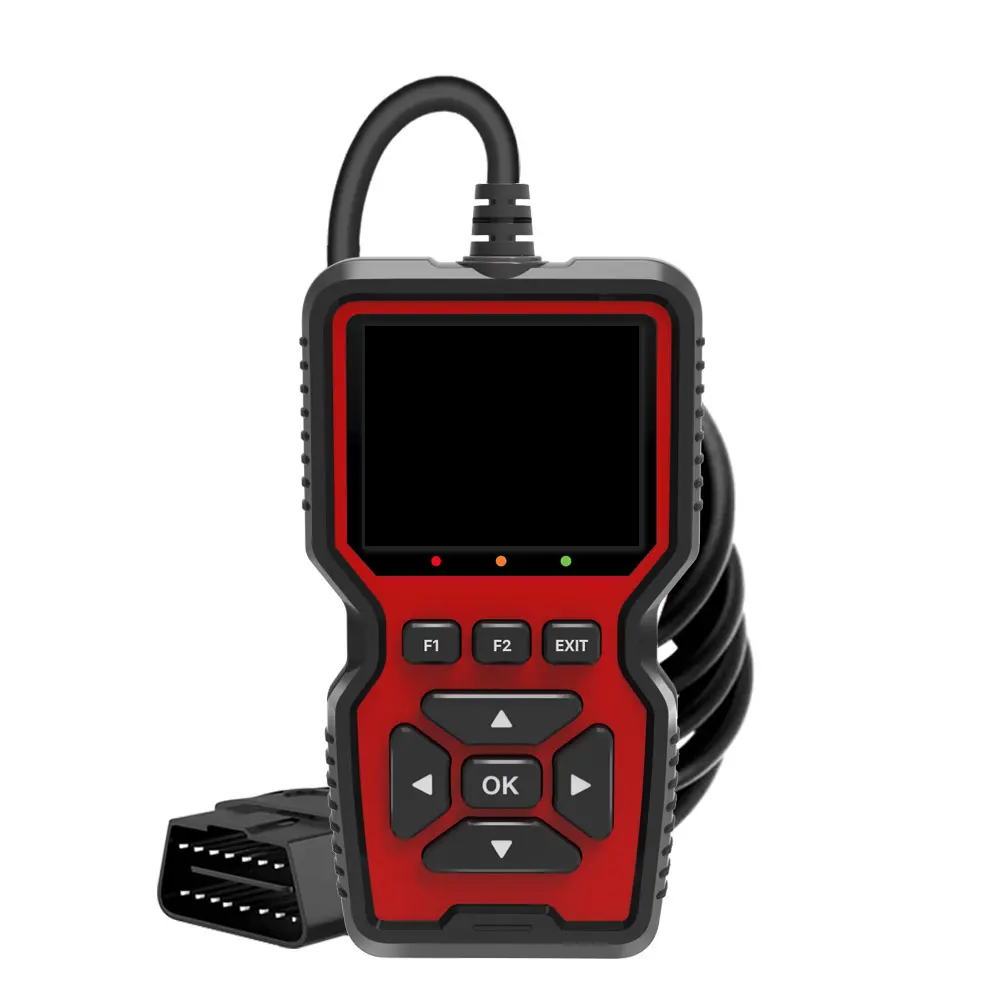
- Connect an advanced diagnostic scanner and monitor live data parameters related to fuel system operation. Pay close attention to Commanded Fuel Quantity versus Actual Fuel Quantity (if available), Fuel Rail Pressure (commanded vs. actual, for common rail systems), and the Fuel Metering Control Valve Duty Cycle or Position Sensor Feedback.
- Look for discrepancies between commanded and actual values. A significant and consistent difference often points to a mechanical or control issue within the pump or its metering valve.
- Check for any other related diagnostic trouble codes (DTCs), such as those for fuel pressure sensors, fuel temperature sensors, or other injector circuit codes, as they might provide additional clues.
- Perform an actuator test on the fuel metering control valve through the scanner, if supported. Listen for the solenoid clicking or observe changes in live data to confirm basic functionality.
- Fuel System Pressure Testing:
- Test the low-pressure fuel supply (lift pump pressure) to the high-pressure injection pump. Ensure it meets manufacturer specifications during cranking and running conditions. Insufficient low pressure can indirectly cause a P0252.
- If applicable (common rail systems), test the high-pressure fuel rail pressure during cranking and while the engine is running at various RPMs and loads. Compare actual pressures against commanded pressures. Significant deviations indicate a problem within the high-pressure system, possibly the metering valve or pump internals.
- Electrical Circuit Testing (with DMM):
- With the ignition OFF, disconnect the electrical connector to the fuel metering control valve.
- Measure the resistance across the two terminals of the fuel metering control valve solenoid using a DMM. Compare the reading to the manufacturer’s specifications. An open circuit (OL) or a resistance significantly outside the specified range indicates a faulty valve.
- With the ignition ON (engine OFF), test for proper voltage supply to the connector on the wiring harness side. Depending on the system, this could be battery voltage (12V) or a 5V reference signal.
- Test for proper ground or control signal from the ECM. This typically requires back-probing the connector. A pulsating ground signal during cranking or running indicates the ECM is attempting to control the valve. An oscilloscope may be needed to properly analyze the control signal for duty cycle accuracy.
- Check for continuity and resistance in the wiring harness between the fuel metering control valve connector and the ECM connector. Look for excessive resistance or open/short circuits.
- Fuel Quality Inspection: Obtain a small sample of fuel from the filter or tank. Visually inspect it for water, contaminants, or unusual discoloration, which can cause internal pump damage.
Recommended Repairs and Solutions
Once diagnostics pinpoint the root cause, the following repairs are typically recommended:
- Replace the Fuel Metering Control Valve/Actuator: If electrical tests confirm that the valve itself is faulty (out-of-spec resistance, no continuity, or stuck mechanically) despite receiving proper electrical signals from the ECM, replacing this component is usually the most direct and effective solution. Always use an OEM equivalent or genuine part.
- Repair or Replace Damaged Wiring/Connectors: If visual inspection or DMM tests reveal issues in the electrical harness leading to the metering valve, repair or replace the affected sections. Ensure all connections are clean, tight, and free of corrosion.
- Address Fuel Contamination: If contaminated fuel is identified, the fuel tank must be drained, the fuel filter(s) replaced, and the system refilled with fresh, high-quality fuel. Depending on the severity, a fuel system flush may be necessary.
- Replace the Fuel Injection Pump: If all external components, electrical circuits, and low-pressure fuel supply are verified to be functioning correctly, and the P0252 code persists, the problem is most likely internal to the high-pressure fuel injection pump (e.g., worn cam, rotor, plungers, or delivery valves). This is a significant repair that often requires specialized tools, precise calibration, and should ideally be performed by an experienced diesel technician.
- Verify and Repair Low-Pressure Fuel Supply: If low-pressure fuel supply was inadequate, replace the lift pump, clear any fuel line restrictions, or replace the fuel filter(s) as needed to ensure the high-pressure pump receives sufficient fuel.
- ECM Reprogramming or Replacement: This is a rare solution for P0252 and should only be considered after all other potential causes have been thoroughly investigated and ruled out. An ECM replacement typically requires reprogramming to the vehicle’s specific VIN.
After any repair, clear the DTCs and perform a test drive under various operating conditions to confirm the fix and ensure the code does not return.