What Does Code P0373 Mean?
DTC P0373 signifies that the Engine Control Module (ECM), also known as the Powertrain Control Module (PCM), has detected an intermittent or erratic signal from the high-resolution timing reference sensor, typically the Crankshaft Position (CKP) sensor. The “Signal A” often refers to the primary CKP sensor signal output. The CKP sensor is critical for providing the ECM with precise information regarding crankshaft speed and position. This data is essential for accurate engine timing, including fuel injection events, ignition spark timing, and misfire detection. The ECM expects a consistent, clean waveform from this sensor, which typically uses a magnetic reluctance or Hall effect principle to read teeth or notches on a reluctor wheel (tone ring) attached to the crankshaft. When the ECM observes deviations from the expected signal pattern, such as missing pulses, irregular pulse spacing, inconsistent amplitude, or an erratic frequency that does not correlate correctly with other engine parameters (e.g., Camshaft Position Sensor signal), it interprets this as an “intermittent/erratic pulse” condition and sets code P0373. This indicates a loss of reliable crankshaft position information necessary for optimal engine operation.
Common Symptoms
- Hard starting or no-start condition: The ECM may not be able to determine crankshaft position accurately enough to initiate fuel and spark.
- Intermittent or constant engine misfires: Incorrect timing information leads to improper fuel injection and ignition, causing misfires across one or more cylinders.
- Rough or unstable idle: Erratic timing input can cause the engine to struggle maintaining a steady idle speed.
- Reduced engine power and acceleration: The ECM may enter a ‘limp-home’ mode or operate with suboptimal timing, limiting engine performance.
- Engine stalling: Complete loss of the CKP signal, even momentarily, can cause the engine to shut down.
- Illuminated Check Engine Light (CEL): P0373 will trigger the malfunction indicator lamp.
- Associated codes: Often accompanied by misfire codes (P030X), CKP sensor circuit codes (P0335), or CMP sensor codes (P0340) due to timing discrepancies.
What Causes the Code P0373?
- Faulty Crankshaft Position (CKP) Sensor: The sensor itself may be failing internally, leading to intermittent or weak signal output. This is the most common cause.
- Damaged or frayed wiring harness: Open circuits, shorts to ground or power, or chafed insulation in the CKP sensor circuit can cause signal interruptions or interference.
- Corroded or loose electrical connector: Poor contact at the CKP sensor connector can result in an intermittent signal path.
- Damaged or contaminated reluctor wheel (tone ring): Missing teeth, bends, cracks, or excessive debris on the crankshaft tone ring can cause erratic signal generation.
- Excessive sensor air gap: If the gap between the CKP sensor and the reluctor wheel is too large or inconsistent, the sensor may not reliably pick up the signal.
- Electrical interference: Electromagnetic interference (EMI) from faulty ignition components (e.g., spark plug wires, ignition coils) or other electrical sources can disrupt the CKP signal.
- Poor engine or sensor grounding: Inadequate grounding can lead to signal noise and instability.
- Foreign material near the sensor: Metal shavings or other debris adhering to a magnetic CKP sensor can interfere with its reading.
How to Diagnose and Troubleshoot
A systematic approach leveraging specialized tools is crucial for diagnosing P0373:
- Visual Inspection: Begin by thoroughly inspecting the CKP sensor, its wiring harness, and electrical connector. Look for signs of physical damage, corrosion, chafing, loose connections, or melted insulation. Follow the wiring harness back to the ECM for any obvious faults. If accessible, inspect the reluctor wheel for damage, debris, or misalignment.
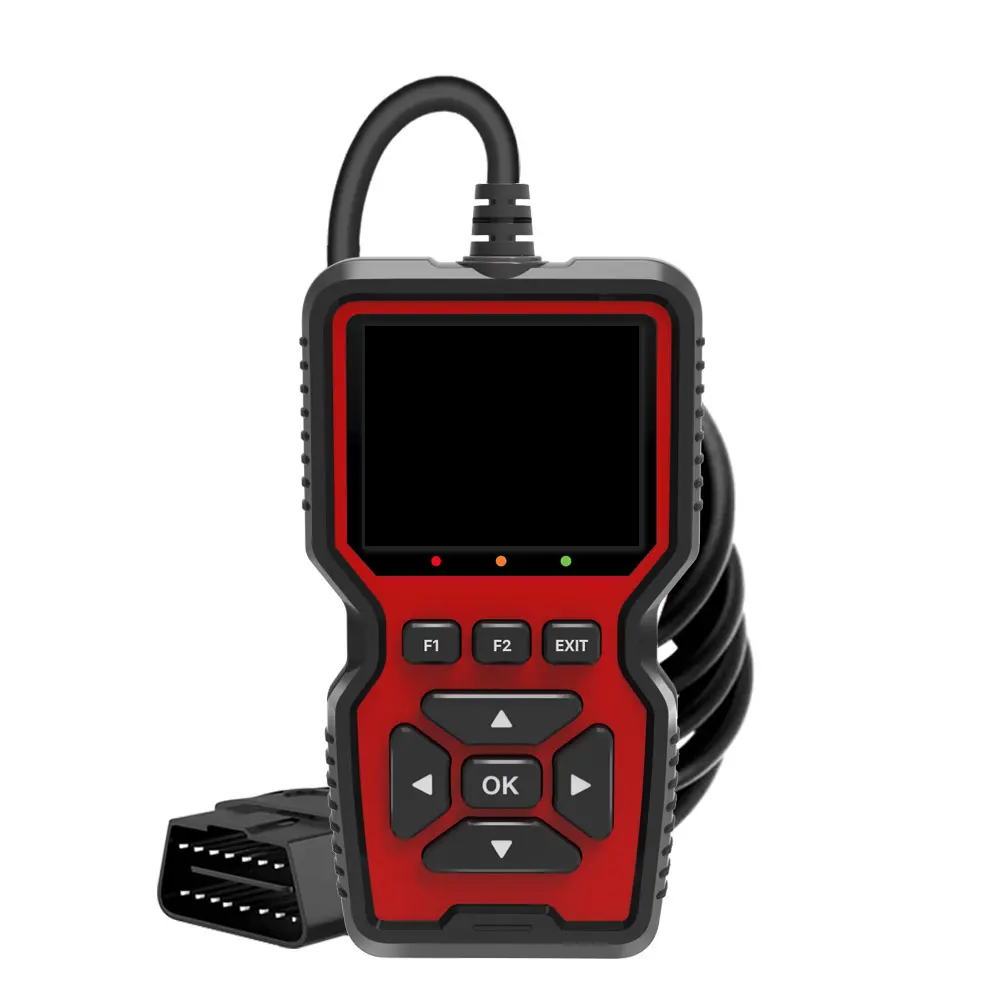
- OBD-II Scanner Data Analysis: Connect an OBD-II scanner and check for any additional DTCs, especially misfire codes or other timing-related codes. Review freeze frame data to understand engine conditions (RPM, load, temperature) when P0373 was set. Monitor live data for the CKP sensor RPM reading. Look for sudden drops, erratic fluctuations, or inconsistencies in the RPM signal while cranking or running the engine. If available, compare the CKP and Camshaft Position (CMP) sensor signals for proper correlation.
- Digital Multimeter (DMM) Tests:
- Sensor Voltage Supply and Ground (Hall Effect Sensors): With the ignition ON and engine OFF, backprobe the CKP sensor connector to verify appropriate voltage supply (typically 5V or 12V) and a solid ground.
- Sensor Resistance (Magnetic Reluctance Sensors): Disconnect the sensor and measure its internal resistance across the signal terminals. Compare to manufacturer specifications. An open circuit or out-of-spec resistance indicates an internal sensor fault.
- Wiring Continuity: Disconnect both ends of the CKP sensor harness (at the sensor and ECM) and check for continuity and resistance in each wire. Test for shorts to ground or power in all wires.
- Oscilloscope Waveform Analysis (Highly Recommended): This is the most effective tool for diagnosing intermittent or erratic timing signals. Connect an oscilloscope to the CKP sensor signal wire.
- Observe the waveform while cranking and running the engine. Look for clean, consistent square waves (Hall effect) or sine waves (magnetic reluctance).
- Identify any missing pulses, inconsistent peak-to-peak voltage, erratic frequency, or excessive noise on the signal.
- Compare the CKP waveform to the CMP waveform for proper synchronization and phasing, ensuring the notches and patterns align as per service information. An intermittent loss of synchronization points to a CKP signal issue.
- Wiggle Test: With the engine running (if possible) and monitoring live data or an oscilloscope, gently wiggle the CKP sensor connector and its wiring harness. If the signal becomes erratic or drops out, it indicates a loose connection or damaged wiring.
Recommended Repairs and Solutions
Based on diagnostic findings, the following repairs are commonly recommended:
- Replace the Crankshaft Position Sensor: If the sensor itself is determined to be faulty through resistance tests, signal analysis, or visual inspection, replacement is the most direct solution. Always use an OEM-quality replacement part to ensure proper function and compatibility.
- Repair or Replace Damaged Wiring/Connector: Any detected faults in the wiring harness or electrical connector must be repaired. This may involve repairing frayed wires, replacing corroded terminals, or replacing the entire connector. Ensure all connections are secure and properly sealed to prevent future issues.
- Clean or Replace the Reluctor Wheel: If the tone ring is contaminated with debris, carefully clean it. If it is physically damaged (bent, cracked, missing teeth), it must be replaced. This often requires significant engine disassembly as the reluctor wheel is typically mounted on the crankshaft.
- Adjust Sensor Gap: While many modern CKP sensors have a fixed mounting, if the sensor mounting allows for adjustment, ensure the air gap between the sensor and the reluctor wheel is within manufacturer specifications.
- Address Electrical Interference: If interference is suspected, inspect ignition components for arcing or shorting. Ensure all grounds, especially engine and battery grounds, are clean and secure.
Mechanic’s Tips:
When dealing with P0373, an oscilloscope is your best friend. A DMM can tell you if there’s voltage or resistance, but only an oscilloscope can definitively show the integrity and consistency of a dynamic timing signal. Always check for technical service bulletins (TSBs) related to CKP sensor issues for the specific vehicle make and model, as some manufacturers have known problems. After any repair, clear the DTCs and perform a comprehensive drive cycle under various conditions to confirm the fix and ensure the code does not return.