What Does Code P0420 Mean?
DTC P0420, or “Catalyst System Efficiency Below Threshold (Bank 1),” signifies that the Engine Control Module (ECM) or Powertrain Control Module (PCM) has detected that the catalytic converter on Bank 1 is not operating at optimal efficiency. The ECM monitors catalyst performance by comparing the oxygen sensor readings upstream (pre-catalyst, Bank 1 Sensor 1 or B1S1) and downstream (post-catalyst, Bank 1 Sensor 2 or B1S2) of the converter. A properly functioning catalytic converter stores oxygen and reduces harmful emissions. Consequently, the upstream sensor will show rapid fluctuations in voltage (reflecting varying oxygen levels in the exhaust), while the downstream sensor should show a relatively stable, higher voltage. When the ECM observes that the downstream oxygen sensor’s readings begin to mirror the rapid fluctuations of the upstream sensor too closely, it indicates that the catalyst has lost its ability to store and release oxygen effectively, meaning it’s no longer efficiently converting pollutants. The “Bank 1” designation refers to the side of the engine that contains cylinder number one.
Common Symptoms
- Check Engine Light (CEL) Illumination: This is the most prevalent symptom, as the P0420 code triggers the Malfunction Indicator Lamp (MIL).
- Reduced Fuel Economy: While not a direct cause, the underlying issues leading to catalyst failure or the ECM’s attempt to compensate can lead to decreased fuel efficiency.
- Sulfur or “Rotten Egg” Smell from Exhaust: This odor is indicative of hydrogen sulfide passing through the exhaust system unoxidized due to an inefficient catalytic converter.
- Decreased Engine Performance: In severe cases, a partially clogged or degraded catalyst can restrict exhaust flow, leading to noticeable power loss, sluggish acceleration, or a lack of top-end power.
- Failed Emissions Test: Vehicles with a P0420 code will almost certainly fail required emissions inspections due to elevated pollutant levels.
What Causes the Code P0420?
- Degraded Catalytic Converter: This is by far the most common cause. Over time, catalytic converters can lose their efficiency due to age, high mileage, thermal stress, or chemical contamination from engine byproducts.
- Faulty Oxygen Sensor (Post-Catalyst, B1S2): A malfunctioning downstream oxygen sensor could provide inaccurate readings to the ECM, incorrectly signaling low catalyst efficiency even if the converter is functioning correctly. This is less common than actual catalyst failure but must be ruled out.
- Exhaust Leaks: Leaks in the exhaust system, particularly between the engine and the post-catalyst oxygen sensor, can allow unmetered ambient air into the exhaust stream. This air can skew the B1S2 readings, leading the ECM to falsely believe the catalyst is inefficient.
- Engine Misfires or Excessive Rich/Lean Conditions: Prolonged engine misfires introduce unburnt fuel into the exhaust, which can burn inside the catalyst, causing severe overheating and irreversible damage. Similarly, consistent rich or lean fuel mixtures can overload or poison the catalyst.
- Contamination from Engine Fluids: Excessive oil or coolant consumption can contaminate the catalyst’s precious metal coating, reducing its efficiency. Certain fuel additives or leaded gasoline (if ever mistakenly used in a modern vehicle) can also poison the catalyst.
- Physical Damage to Catalytic Converter: Impacts from road debris can physically damage the catalyst’s internal structure, leading to reduced efficiency or blockages.
How to Diagnose and Troubleshoot
A systematic diagnostic approach is crucial for P0420 to avoid unnecessary component replacement.
- Visual Inspection: Begin by thoroughly inspecting the exhaust system from the manifold to beyond the catalytic converter for any signs of leaks (soot streaks, hissing sounds). Check the oxygen sensor wiring for damage, corrosion, or improper installation. Inspect the catalytic converter itself for physical damage, dents, or discoloration indicative of overheating.
- OBD-II Scanner Live Data Analysis:
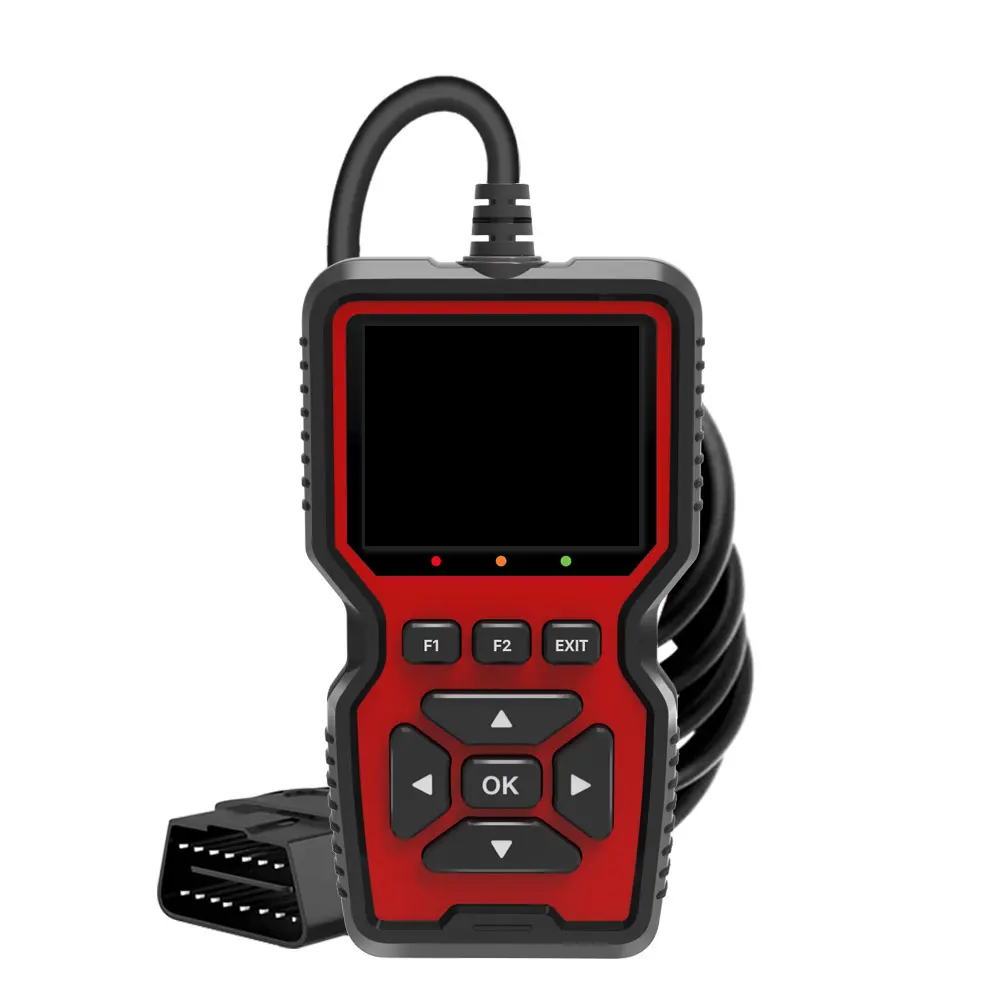
- Oxygen Sensor Voltages: Connect an OBD-II scanner and monitor live data for Bank 1 Sensor 1 (B1S1) and Bank 1 Sensor 2 (B1S2) oxygen sensor voltages. Warm the engine to operating temperature.
- Healthy System: B1S1 should oscillate rapidly and widely (typically between 0.1V and 0.9V). B1S2 should show a relatively stable, higher voltage (usually between 0.4V and 0.7V), indicating the catalyst is effectively storing oxygen.
- Inefficient Catalyst: If B1S2 starts to mirror the rapid fluctuations of B1S1, the catalyst is likely inefficient. The waveforms will appear similar rather than distinct.
- Fuel Trims (STFT and LTFT): Examine short-term (STFT) and long-term (LTFT) fuel trims for Bank 1. Significantly positive or negative fuel trims can indicate underlying engine issues (e.g., vacuum leaks, fuel injector problems, MAF sensor issues) that may be contributing to catalyst degradation.
- Catalyst Monitor Test Results (Mode $06): If available, access Mode $06 data to view specific manufacturer-defined catalyst efficiency ratios or test values. This provides quantitative data on catalyst performance.
- Oxygen Sensor Voltages: Connect an OBD-II scanner and monitor live data for Bank 1 Sensor 1 (B1S1) and Bank 1 Sensor 2 (B1S2) oxygen sensor voltages. Warm the engine to operating temperature.
- Oxygen Sensor Testing with Digital Multimeter (DMM): If live data is ambiguous, backprobe the signal wire of both B1S1 and B1S2 with a DMM. Verify voltage fluctuation and response time while the engine is running and at operating temperature. A slow or stuck sensor can give false readings. Compare the readings to manufacturer specifications.
- Exhaust Backpressure Test: If there are symptoms of reduced engine performance, perform an exhaust backpressure test. Remove the pre-cat oxygen sensor and install a pressure gauge. Excessive backpressure (e.g., over 1.5 PSI at idle or 2.5 PSI at 2500 RPM) can indicate a clogged catalytic converter, which is a common form of severe catalyst degradation.
- Smoke Machine Test: Use a smoke machine to pressurize the exhaust system and identify any elusive exhaust leaks that could be skewing O2 sensor readings.
Recommended Repairs and Solutions
It is paramount to address any underlying causes before simply replacing the catalytic converter, as failure to do so will likely lead to a repeat of the P0420 code.
- Address Underlying Engine Issues: If diagnostics reveal engine misfires, excessive oil consumption, coolant leaks, or fuel system problems (e.g., consistently rich/lean conditions), these must be repaired first. This might involve spark plug replacement, ignition coil replacement, fuel injector service, engine internal repairs, or sensor replacement (MAF, coolant temp, etc.).
- Repair Exhaust Leaks: Any identified exhaust leaks, especially upstream of the B1S2 oxygen sensor, must be properly sealed or repaired. This might involve replacing gaskets, flex pipes, or welding cracks.
- Replace Faulty Oxygen Sensor (B1S2): If diagnostics definitively indicate that the post-catalyst oxygen sensor is malfunctioning (and not the catalyst itself), replace it with a high-quality OEM or equivalent aftermarket part. Ensure proper torque and anti-seize compound application.
- Catalytic Converter Replacement: If all other potential causes have been thoroughly ruled out and the live data analysis clearly shows an inefficient converter, replacement of the catalytic converter is necessary.
- Quality Matters: Invest in a high-quality, direct-fit replacement catalytic converter. Cheaper aftermarket converters may not meet OEM efficiency standards and could lead to recurrent P0420 codes. Ensure the replacement is compliant with local emissions regulations (e.g., CARB compliant in certain states).
- Installation Tips: Ensure all mounting surfaces are clean and flat. Use new gaskets and hardware. Apply anti-seize to threaded connections where appropriate.
- ECM/PCM Software Update: In rare instances, some vehicle manufacturers may release software updates to recalibrate catalyst monitoring parameters, particularly for vehicles prone to “false positive” P0420 codes. Always check for relevant Technical Service Bulletins (TSBs).
- Post-Repair Drive Cycle: After performing any repairs, clear the DTCs from the ECM. Perform a comprehensive drive cycle that allows the ECM to run its various diagnostic monitors, specifically the catalyst monitor. This will confirm the repair and ensure the P0420 code does not return.