What Does Code P0464 Mean?
Diagnostic Trouble Code P0464 indicates that the Powertrain Control Module (PCM), also commonly referred to as the Engine Control Module (ECM), has detected an intermittent electrical fault within the fuel level sensor circuit. The fuel level sensor, typically a variable resistor (rheostat) connected to a float arm, sends a voltage signal back to the PCM that correlates to the current fuel level in the tank. As the fuel level changes, the resistance of the sensor varies, causing the voltage signal to the PCM to fluctuate proportionally.
The PCM monitors this signal constantly. When P0464 is set, it means the PCM has observed inconsistent, erratic, or momentary interruptions in the fuel level sensor’s electrical signal. This could manifest as sudden, illogical voltage spikes or drops, momentary loss of signal (open circuit), or brief short circuits that do not correspond to actual fuel consumption or vehicle dynamics. Unlike a constant high (P0463) or low (P0462) circuit input, an intermittent fault is characterized by transient disruptions that can be difficult to diagnose. The subsystem affected is primarily the fuel gauging system, but some modern vehicle PCMs may also utilize fuel level data for calculating fuel range, mileage estimations, or even influencing fuel trim strategies under specific conditions.
Common Symptoms
- Erratic Fuel Gauge Readings: The most common symptom is the fuel gauge needle fluctuating wildly, dropping to empty, or sticking at a certain level regardless of the actual fuel quantity.
- Malfunction Indicator Lamp (MIL) Illumination: The Check Engine Light will be illuminated on the dashboard.
- Incorrect “Distance to Empty” Readings: If the vehicle is equipped with a trip computer, the estimated remaining range may be inaccurate or constantly changing.
- Fuel System Diagnostic Failures: Other fuel system-related diagnostic monitors may fail to run or complete due to the unreliable fuel level input.
What Causes the Code P0464?
- Faulty Fuel Level Sensor (Sender Unit): The resistive track on the sensor may be worn, corroded, or have a broken contact point, leading to intermittent signal loss or erratic resistance changes as the float arm moves.
- Intermittent Wiring Harness Issues: Damaged, chafed, or corroded wiring in the fuel level sensor circuit can cause momentary opens or shorts. This includes the signal wire, the ground wire, or the reference voltage wire from the PCM.
- Corroded or Loose Electrical Connectors: Corrosion or poor pin tension at the fuel pump module connector (where the FLS is usually integrated) or at the PCM connector can disrupt the circuit intermittently.
- Grounding Issues: An intermittent poor ground connection for the fuel level sensor or the fuel pump assembly can cause erratic readings.
- Faulty Powertrain Control Module (PCM/ECM): Although less common, an internal fault within the PCM’s input circuit for the fuel level sensor could potentially cause an intermittent code P0464.
How to Diagnose and Troubleshoot
Diagnosing an intermittent fault like P0464 requires patience and systematic testing, often involving simulation of driving conditions or vibration.
- Visual Inspection: Begin with a thorough visual inspection.
- Inspect the entire wiring harness leading to the fuel tank and fuel pump module for signs of chafing, cuts, rodent damage, or corrosion.
- Examine the electrical connector at the fuel pump module and the PCM for bent pins, corrosion, or loose connections.
- Ensure the fuel tank’s ground strap (if separate) is clean and secure.
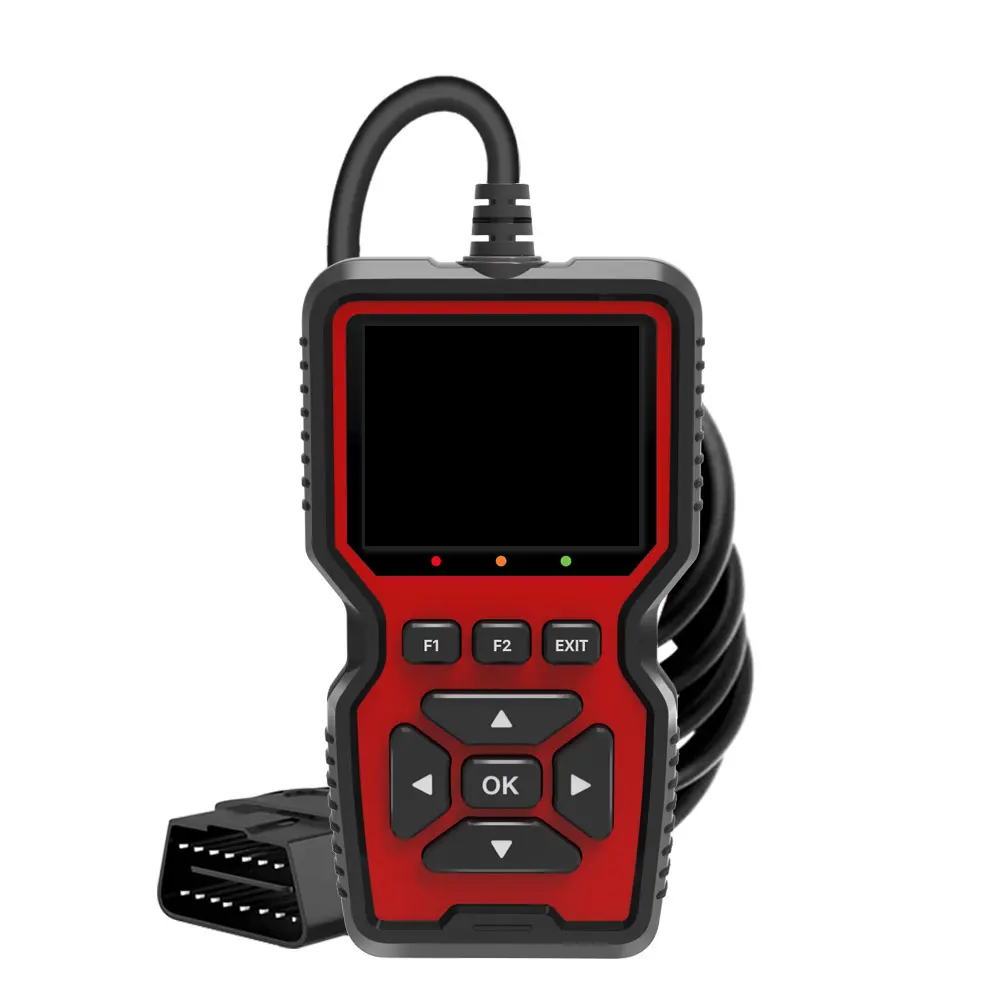
- Connect an OBD-II scanner and access live data stream for “Fuel Level Sensor Voltage” or “Fuel Tank Level Percentage.”
- Observe the readings with the ignition ON (engine OFF) and then with the engine running.
- While monitoring the live data, gently wiggle, pull, and tap the wiring harness along its entire length, especially near connectors at the fuel tank and PCM. Look for any sudden, erratic fluctuations, drops to zero, or unexplained spikes in the fuel level reading.
- If safe and accessible, gently tap on the fuel tank or the fuel pump assembly to see if it causes an intermittent signal change, which could indicate a faulty sensor or sticking float.
- Drive the vehicle on varying road surfaces to induce vibrations that might expose the intermittent fault.
- Resistance Test of Fuel Level Sensor: With the battery disconnected and the fuel pump module connector disconnected, measure the resistance across the fuel level sensor terminals (consult service manual for specific pinout and expected resistance range, e.g., 20-250 ohms empty to full). Slowly move the float arm through its full range of motion (if accessible). The resistance should change smoothly and continuously without any sudden jumps, drops, or open circuits. An intermittent reading during this test strongly indicates a faulty sensor.
- Voltage Reference Check: With the ignition ON (engine OFF) and the FLS connector disconnected, use a DMM to measure the voltage supplied to the fuel level sensor on the reference voltage wire (typically 5V, but always verify with service information). Ensure this voltage is stable and present.
- Continuity and Resistance of Wiring Harness: Disconnect both the PCM and fuel pump module connectors. Use the DMM to check for continuity on the signal wire and ground wire from the FLS connector back to the PCM connector. Also, check for shorts to ground or power on these wires. Perform a “wiggle test” on the harness while performing these checks to catch intermittent breaks.
Recommended Repairs and Solutions
Based on the diagnostic findings, the following repairs are commonly performed to resolve P0464:
- Replace Fuel Level Sensor (Sender Unit): This is the most frequent repair. In many modern vehicles, the fuel level sensor is an integral part of the fuel pump module assembly, requiring replacement of the entire unit. On some vehicles, the sensor may be replaceable separately. Always use OEM or high-quality aftermarket components.
- Repair or Replace Wiring Harness and Connectors: If diagnostic tests reveal damaged wires, chafing, or corroded terminals, the affected section of the wiring harness should be repaired or replaced. Use appropriate automotive-grade wire and connectors, ensuring waterproof and durable connections (e.g., heat-shrink butt connectors). Clean corroded terminals with electrical contact cleaner and apply dielectric grease to prevent future issues.
- Address Grounding Issues: If a poor ground was identified, clean the ground points thoroughly and ensure all connections are secure.
- PCM Replacement (Rare): Only consider replacing the PCM after exhaustively ruling out all other possible causes, as this is an expensive and uncommon solution for a fuel level sensor circuit issue.
Important Mechanics’ Tips:
- Always disconnect the vehicle’s battery before working on any fuel system components for safety.
- Ensure adequate ventilation and be prepared for fuel spills when dropping the fuel tank or removing the fuel pump assembly. It is often safer and easier if the fuel tank is as empty as possible.
- Relieve fuel system pressure before disconnecting any fuel lines.
- When reinstalling the fuel pump module, ensure the sealing O-ring is correctly seated and the retaining ring is torqued to specifications to prevent fuel leaks.
- After completing repairs, clear the P0464 code using an OBD-II scanner and perform a thorough drive cycle to confirm the fix and ensure the fuel gauge operates smoothly and accurately across its full range.