What Does Code P0478 Mean?
The diagnostic trouble code P0478 signifies an issue with the Exhaust Pressure Control Valve “A” Control Circuit High. This code indicates that the Engine Control Module (ECM), also known as the Powertrain Control Module (PCM), has detected an electrical signal in the control circuit for the exhaust pressure control valve that is consistently above the specified voltage threshold or is indicative of an open circuit with high impedance, which the ECM interprets as a “high” voltage condition. The Exhaust Pressure Control Valve (EPCV), often found in diesel engines and some advanced gasoline direct injection systems, is responsible for regulating exhaust back pressure. This regulation is critical for several engine functions, including accelerating engine warm-up, aiding in Diesel Particulate Filter (DPF) regeneration by increasing exhaust gas temperatures, and sometimes for exhaust braking or to optimize Exhaust Gas Recirculation (EGR) flow. The ECM monitors the voltage feedback from this control circuit to ensure the valve is operating within expected parameters. When the feedback voltage deviates significantly above the normal operating range, exceeding the calibrated maximum for a specified period or condition, the ECM sets P0478 and illuminates the Malfunction Indicator Lamp (MIL).
Common Symptoms
- Check Engine Light (MIL) Illumination: This is typically the first and most obvious symptom.
- Reduced Engine Performance: The vehicle may experience decreased power, especially during acceleration or under load, as the engine’s ability to manage exhaust pressure is compromised.
- Rough Idling or Stalling: In some cases, erratic exhaust pressure control can lead to unstable engine idle or even stalling.
- Abnormal Exhaust Sounds: You might hear unusual noises from the exhaust system, such as a hiss, roar, or a change in the exhaust tone, indicating the valve is stuck open or closed.
- Decreased Fuel Economy: Inefficient exhaust management can lead to the engine working harder, resulting in increased fuel consumption.
- Issues with DPF Regeneration: For diesel vehicles, the EPCV is crucial for DPF regeneration. A fault can inhibit or prevent regeneration, potentially leading to further DPF-related codes (e.g., P2002, P2463) and performance degradation.
- Engine Entering “Limp Mode”: The ECM may put the engine into a reduced power or “limp home” mode to prevent potential damage.
What Causes the Code P0478?
- Faulty Exhaust Pressure Control Valve (EPCV) Actuator: The most common cause. Internal electrical faults such as an open circuit in the solenoid coil, a short to voltage within the actuator, or mechanical binding preventing proper movement can lead to incorrect feedback voltage.
- Wiring Harness Issues: Damage to the wiring harness connected to the EPCV is a frequent culprit. This includes chafed wires leading to a short to voltage, an open circuit (break in the wire), or poor insulation allowing for intermittent contact.
- Corroded or Loose Electrical Connections: The connector at the EPCV or at the ECM/PCM can accumulate corrosion, or pins can become bent or loose, leading to intermittent or poor electrical contact, registering as a high resistance or open circuit.
- Faulty Engine Control Module (ECM/PCM): While rare, a defective ECM/PCM, specifically an internal driver circuit failure responsible for controlling or monitoring the EPCV, can trigger this code. This should only be considered after all other possibilities have been thoroughly ruled out.
How to Diagnose and Troubleshoot
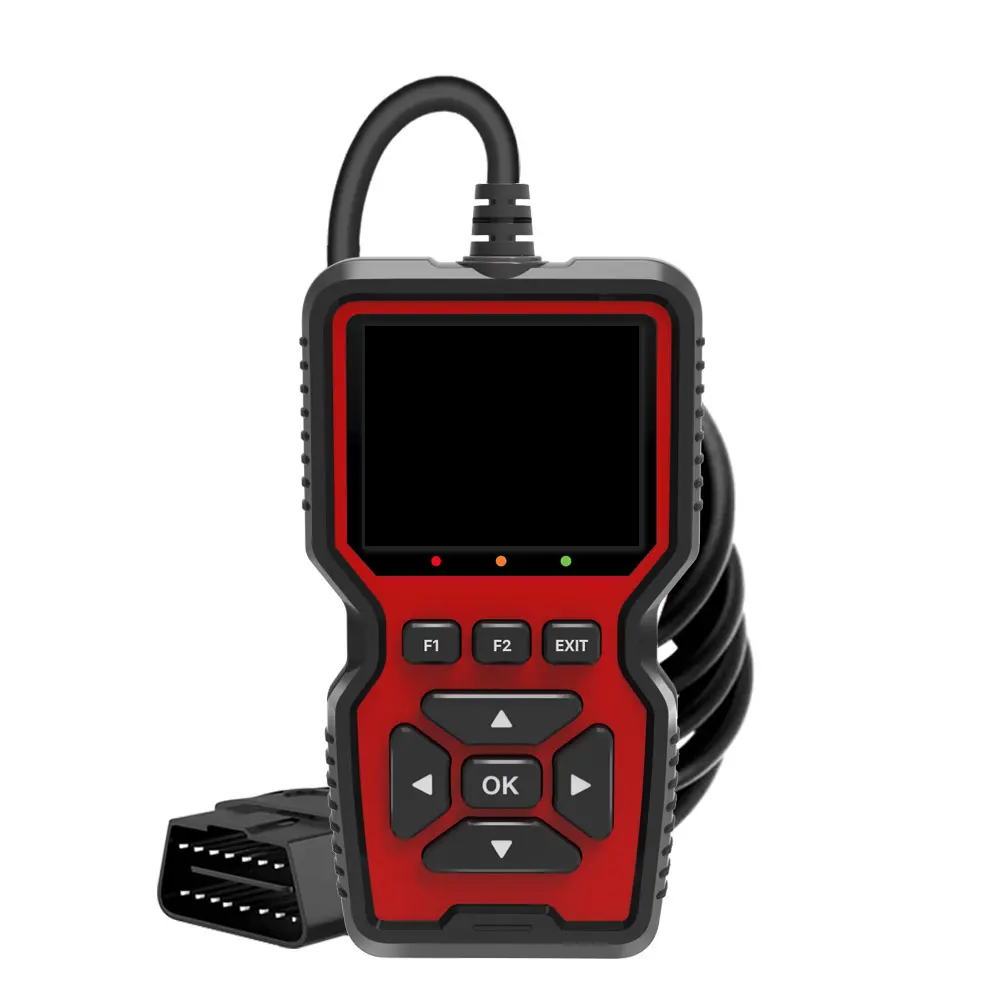
Diagnosing P0478 requires a systematic approach, often utilizing an OBD-II scanner and a Digital Multimeter (DMM).
- Visual Inspection: Begin with a thorough visual inspection of the EPCV, its electrical connector, and the associated wiring harness leading to the ECM. Look for any signs of physical damage, corrosion, frayed wires, burnt insulation, or loose connections. Pay close attention to areas where the harness passes through sharp edges or close to hot exhaust components.
- Retrieve and Analyze Freeze Frame Data: Connect an OBD-II scanner and retrieve the P0478 code along with any accompanying freeze frame data. This data provides a snapshot of engine operating conditions (engine RPM, load, coolant temperature, vehicle speed, etc.) at the moment the fault was detected. This can offer valuable clues about when and under what circumstances the fault occurs. Clear the codes and attempt to replicate the conditions observed in the freeze frame data during a road test.
- Electrical Circuit Testing with a DMM:
- EPCV Disconnected: With the ignition OFF, disconnect the electrical connector from the EPCV. Inspect the terminals for corrosion or damage.
- Voltage Supply Check: With the ignition ON (engine OFF), use a DMM to back-probe the vehicle harness side of the EPCV connector. Identify the power supply wire (typically 12V or 5V reference, depending on the system design) and verify it has the correct voltage as per the vehicle’s wiring diagram. Also, check for a good ground connection at the connector.
- Control Circuit Continuity/Resistance Check: With the ignition OFF, disconnect the ECM/PCM connector. Using the DMM, check for continuity (low resistance) between the EPCV harness connector’s control wire terminal and the corresponding control wire terminal at the ECM/PCM connector. An open circuit (infinite resistance) or excessively high resistance indicates a wiring issue. Also, check for shorts to ground and shorts to voltage (if the circuit comes into contact with another power source). A short to voltage is a common cause for a “high” circuit reading.
- EPCV Actuator Resistance Check: Measure the internal resistance of the EPCV actuator itself by placing DMM leads across its electrical terminals (refer to service manual specifications for the correct resistance range). An infinite resistance typically indicates an open circuit within the coil, while a resistance significantly lower than specified could indicate an internal short. Both conditions can lead to incorrect feedback and trigger P0478.
- Bi-directional Control Test (if applicable): If your OBD-II scanner supports bi-directional controls, try commanding the EPCV open and closed. While performing this test, monitor the live data for the EPCV’s commanded position and actual feedback voltage. Observe if the valve responds physically (if visible and accessible) and if the feedback voltage changes as expected. A lack of response or incorrect voltage feedback despite commands points towards a faulty valve or its control circuit.
- Exhaust Pressure Sensor Data: While P0478 points to the EPCV control circuit, it’s beneficial to monitor live data from the exhaust pressure sensor (if equipped). An EPCV stuck in a position that creates unusually high exhaust pressure might confirm the valve’s mechanical failure, even if the electrical circuit fault is primary.
Recommended Repairs and Solutions
Once the root cause of P0478 has been accurately identified through thorough diagnosis, the following repairs are typically recommended:
- Repair or Replace Damaged Wiring Harness: If the visual inspection or DMM tests reveal damaged, chafed, or shorted wiring, the affected section of the harness must be repaired or replaced. Use appropriate automotive-grade wiring, connectors, and ensure all repairs are properly insulated and secured to prevent future issues.
- Clean or Replace Corroded Connectors: If corrosion is found at the EPCV or ECM/PCM connectors, use an electrical contact cleaner to meticulously clean the terminals. If pins are bent, broken, or heavily corroded, the connector should be replaced. Ensure a tight, secure connection upon reassembly.
- Replace Exhaust Pressure Control Valve (EPCV) Actuator: This is a very common solution if the internal resistance test or bi-directional control test indicates a failure within the EPCV actuator itself. The entire EPCV assembly usually needs to be replaced as the actuator is often integrated. When replacing, ensure proper seating and any required gasket replacements.
- PCM/ECM Replacement (Rare): Only consider replacing the ECM/PCM as a last resort, after all other components and wiring have been thoroughly tested and confirmed to be functioning correctly. ECM replacement typically requires reprogramming and may incur significant cost. Always confirm an internal ECM fault (e.g., failed driver transistor) by following manufacturer-specific diagnostic procedures before replacement.
- Clear Codes and Verify Repair: After any repair, clear all diagnostic trouble codes using an OBD-II scanner. Perform an extended road test under various driving conditions, specifically trying to replicate the circumstances under which the original code was set (refer to freeze frame data). Monitor live data related to the EPCV operation to ensure the system is functioning correctly and the code does not return.