What Does Code P0480 Mean?
DTC P0480 indicates a malfunction within the control circuit for the primary electric cooling fan, often designated as Fan 1. The Engine Control Module (ECM) or Powertrain Control Module (PCM) is responsible for monitoring and commanding the operation of the engine cooling fans to maintain optimal engine operating temperature and aid in air conditioning condenser cooling. When the ECM/PCM detects an anomaly in the control circuit for Fan 1, such as an open circuit, a short to ground, a short to voltage, or an incorrect resistance reading, it sets this diagnostic trouble code. This typically means the ECM/PCM is unable to effectively command the cooling fan relay or control module to activate the primary cooling fan. The affected subsystem is the engine cooling system, specifically the electrical control pathway for the primary radiator fan, which is critical for preventing engine overheating, especially during low-speed driving or extended idling periods.
Common Symptoms
- Engine Overheating: The most direct and critical symptom, especially when the vehicle is stationary or moving at low speeds.
- Cooling Fan Not Activating: The primary cooling fan fails to turn on when commanded by the ECM/PCM (e.g., when the engine reaches operating temperature or the A/C is engaged).
- Check Engine Light (CEL) Illumination: The Malfunction Indicator Lamp (MIL) will be illuminated on the dashboard.
- Reduced Air Conditioning Performance: The A/C condenser fan, which is often the same as or integrated with the primary cooling fan, may not operate, leading to insufficient heat dissipation from the refrigerant.
- Erratic Fan Operation: In some cases, the fan might run continuously or cycle on and off improperly due to a fault in the control circuit feedback.
What Causes the Code P0480?
- Faulty Cooling Fan Relay: The most common cause, where the relay coil or contacts fail, preventing the ECM/PCM’s control signal from activating the fan.
- Damaged Wiring Harness: An open circuit, short to ground, or short to voltage in the wiring between the ECM/PCM and the fan relay/control module, or between the relay and the fan motor.
- Corroded or Loose Electrical Connectors: Poor electrical contact at the fan relay, fan motor connector, or ECM/PCM connector due to corrosion or physical damage, leading to high resistance or intermittent connection issues.
- Faulty Cooling Fan Control Module: On vehicles equipped with a dedicated fan control module instead of a simple relay, an internal failure of this module can trigger P0480.
- Internal ECM/PCM Failure: A less common but possible cause, where the internal driver circuit within the ECM/PCM responsible for controlling the fan relay/module fails.
- High Resistance in Fan Motor: While less direct for a “control circuit” code, an excessively high current draw or internal short within the fan motor itself can sometimes back-feed or load the control circuit, causing an error.
How to Diagnose and Troubleshoot
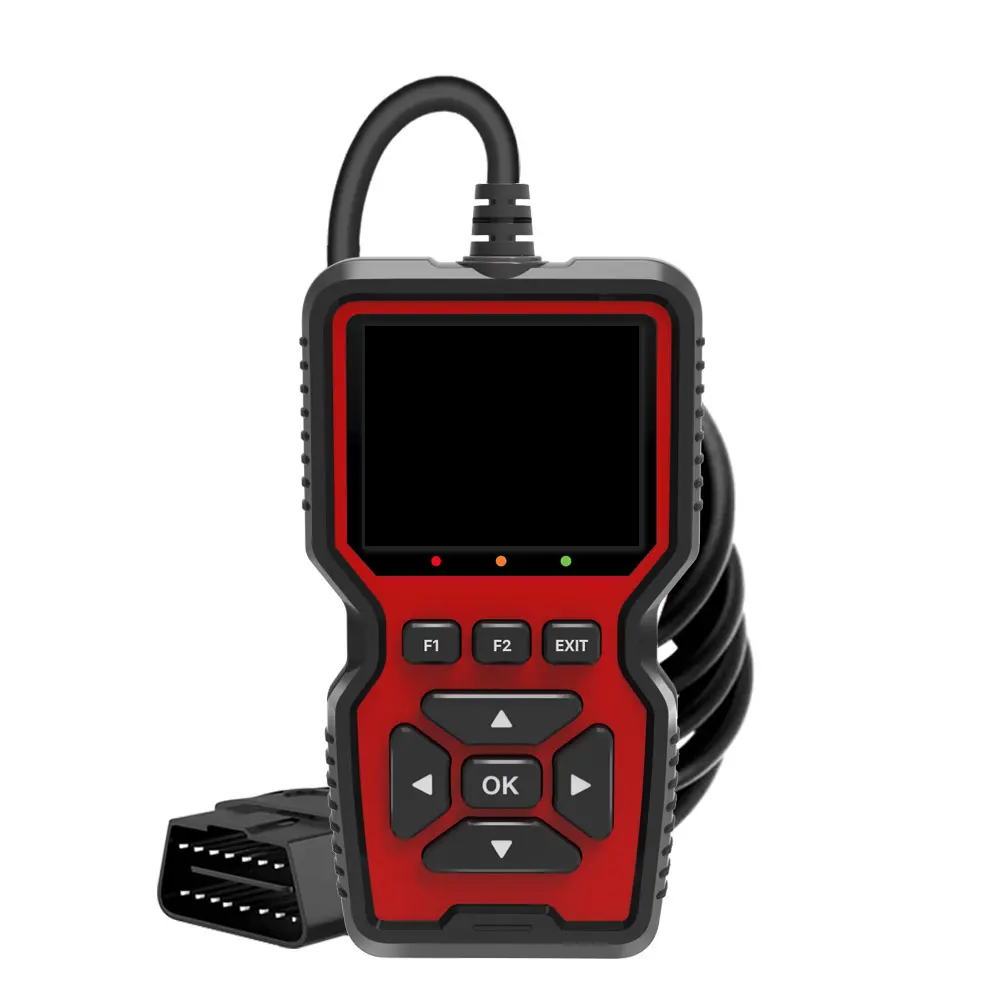
Diagnosing P0480 requires a systematic approach using a digital multimeter (DMM) and an OBD-II scanner with bidirectional control capabilities.
- Visual Inspection: Begin by visually inspecting the entire cooling fan assembly, its wiring harness, and all associated connectors for obvious signs of damage, corrosion, or loose connections. Check for obstructions preventing fan rotation.
- OBD-II Scanner Data: Connect an OBD-II scanner and check for pending or stored DTCs, and analyze freeze frame data to understand engine conditions (e.g., engine temperature, vehicle speed, A/C status) when the code was set. Use the scanner’s bidirectional control function to command the cooling fan ON and OFF. Listen for the fan relay clicking and observe if the fan activates.
- Cooling Fan Relay Test: Locate the primary cooling fan relay.
- Test for constant battery voltage at one of the power supply terminals (typically terminal 30 or 87a) with the ignition ON.
- Test for ground and the ECM/PCM control signal at the relay coil terminals (typically terminals 85 and 86). The ECM/PCM typically supplies a ground signal or a 12V signal to energize the coil when commanded.
- If the ECM/PCM commands the fan on but no voltage/ground signal is present at the coil, inspect the wiring back to the ECM/PCM.
- With the relay removed, use jumper wires to bypass the relay by applying fused 12V to the fan motor directly (e.g., from terminal 30 to 87) to verify the fan motor itself operates.
- Test the relay for continuity across its load terminals (30 and 87) when the coil is energized (either manually with 12V or when commanded by the PCM). A faulty relay often has an open internal circuit. Swap the relay with a known good, identical relay if available.
- Wiring Continuity and Resistance Check: Disconnect the battery and the ECM/PCM connector.
- Using a DMM, check for continuity on the control wire(s) between the ECM/PCM connector and the fan relay/control module connector. There should be minimal resistance (typically less than 1-2 ohms).
- Check for shorts to ground and shorts to voltage on the control wire by measuring resistance between the control wire and chassis ground, and between the control wire and other power wires in the harness. Resistance should be infinite to ground and other power sources.
- Perform a voltage drop test across the control circuit wiring and connectors while the system is under load (e.g., with the fan commanded on) to identify high-resistance connections.
- ECM/PCM Output Test: If all external components and wiring check out, use an oscilloscope or a DMM (set to AC voltage if the PCM uses Pulse Width Modulation for control) to verify the actual output signal from the ECM/PCM to the fan control circuit when commanded. A missing or incorrect signal indicates an internal ECM/PCM driver failure.
Recommended Repairs and Solutions
Once the root cause of P0480 has been identified through proper diagnosis, the following repairs are typically performed:
- Replace Faulty Cooling Fan Relay: If the relay is found to be defective, replace it with a new, OEM-specification component. This is often the most straightforward and common repair.
- Repair or Replace Damaged Wiring: Address any identified open circuits, shorts, or high-resistance sections in the wiring harness. This may involve splicing in new wire sections, repairing damaged terminals, or replacing entire segments of the harness if the damage is extensive. Always use appropriate gauge wire and ensure proper soldering, heat-shrinking, and loom protection.
- Clean or Replace Corroded Connectors: If corrosion is present, thoroughly clean the connector terminals with electrical contact cleaner and a small brush. If the corrosion is severe or the terminals are damaged, replace the affected connector housing and terminals.
- Replace Cooling Fan Control Module: If the vehicle uses a dedicated fan control module and it has been diagnosed as faulty, replace it. Ensure the replacement module is properly programmed or configured if necessary, according to manufacturer specifications.
- ECM/PCM Replacement or Repair: As a last resort, if all other components and wiring are verified good and the ECM/PCM’s output signal is definitively missing or incorrect, the ECM/PCM may need to be repaired or replaced. This often requires specialized programming or flashing to match the vehicle’s specifications.
- Post-Repair Verification: After performing any repairs, clear the DTC P0480 from the ECM/PCM’s memory. Start the engine, allow it to reach operating temperature, and verify the cooling fan operates correctly. Activate the A/C to ensure the fan engages as expected. Perform a road test under various conditions, monitoring live data for fan operation and engine temperature, to confirm the repair and ensure the code does not return.