What Does Code P0551 Mean?
DTC P0551 indicates a detected anomaly within the Power Steering Pressure (PSP) sensor circuit’s range or performance. The Engine Control Module (ECM), often referred to as the Powertrain Control Module (PCM), utilizes the PSP sensor to monitor the hydraulic pressure within the power steering system. This sensor typically outputs a variable voltage signal directly proportional to the fluid pressure. The ECM requires this input to modulate engine idle speed and compensate for the additional engine load imposed by the power steering pump, particularly during low-speed maneuvers or when the steering wheel is turned vigorously. When the ECM detects that the PSP sensor’s signal voltage or its dynamic response characteristics are inconsistent with expected operating parameters – considering inputs such as engine RPM, vehicle speed, and throttle position – it sets code P0551. This isn’t necessarily a hard circuit fault like an open or short, but rather an indication that the sensor’s output is plausible but inaccurate, or its performance (e.g., rate of change, stability) falls outside calibrated thresholds for a given operating state.
Common Symptoms
- Illuminated Malfunction Indicator Lamp (MIL): This is the primary and most consistent symptom.
- Erratic or High Engine Idle: The ECM may incorrectly compensate for perceived power steering load, leading to unstable idle speeds.
- Engine Stalling at Low Speeds or During Parking Maneuvers: If the ECM fails to adequately increase idle speed to compensate for actual power steering load due to an inaccurate sensor reading.
- Reduced Fuel Economy: Due to the ECM’s incorrect or constant adjustments for an perceived power steering load.
- Slightly Harder Steering Feel at Low Speeds: While not a direct hydraulic problem, an incorrect PSP sensor signal might prevent the ECM from commanding the optimal idle speed necessary to maintain adequate power steering assistance.
What Causes the Code P0551?
- Faulty Power Steering Pressure (PSP) Sensor: The most common cause, including internal sensor element failure, inaccurate resistance, or a degraded transducer element providing an incorrect voltage output.
- Wiring Harness Issues: This includes an open circuit in the signal, reference, or ground wire; a short to voltage (power) or ground within the PSP sensor’s circuit; or excessive resistance due to chafed wires or poor splices.
- Poor Electrical Connections: Loose, corroded, or contaminated electrical connectors at the PSP sensor or the ECM can lead to intermittent signal loss or inaccurate voltage readings.
- Low Power Steering Fluid Level or Contaminated Fluid: While this affects actual pressure, if the sensor provides an inconsistent or out-of-range reading due to the fluid condition, P0551 can be set.
- Internal Engine Control Module (ECM/PCM) Failure: A rare but possible cause where the ECM’s internal circuitry for processing the PSP sensor input is compromised.
How to Diagnose and Troubleshoot
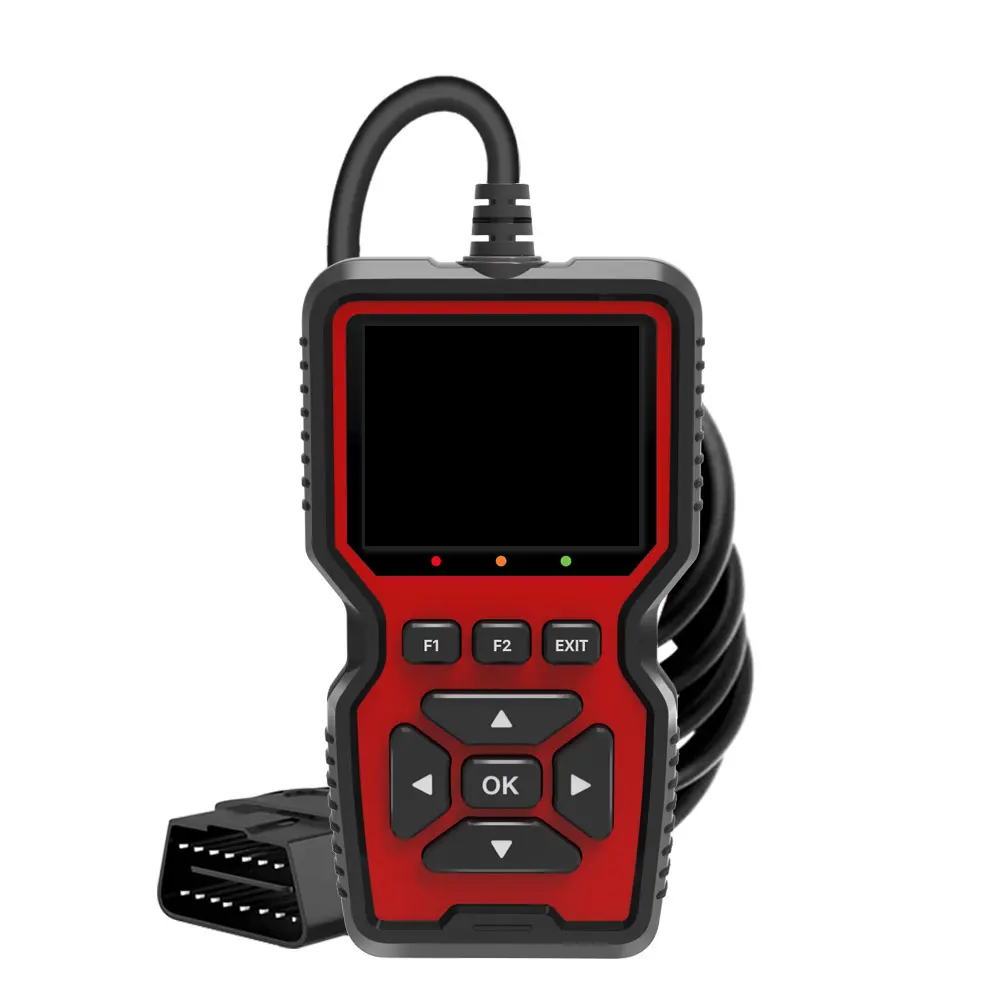
Diagnosis of P0551 requires a methodical approach, utilizing a professional-grade OBD-II scanner and a Digital Multimeter (DMM).
- Retrieve and Analyze Freeze Frame Data: Use an OBD-II scanner to pull the P0551 code and view associated freeze frame data. This data records engine conditions (RPM, vehicle speed, engine load, etc.) at the moment the code was set, providing crucial context for the fault.
- Monitor Live PSP Sensor Data: Connect the OBD-II scanner and observe the live data stream for the PSP sensor voltage or pressure reading.
- With the engine at idle and the steering wheel centered, note the initial reading.
- Slowly turn the steering wheel from lock to lock, observing how the PSP sensor reading changes. The voltage should increase proportionally with increased steering effort/pressure.
- Look for erratic jumps, sudden drops, or a “stuck” value that doesn’t change when steering pressure is applied or released. Compare observed values against service manual specifications for the vehicle.
- Visual Inspection:
- Inspect the PSP sensor and its wiring harness for any signs of physical damage, corrosion, fluid leaks (especially power steering fluid, which can degrade wiring insulation), or loose connections.
- Check the power steering fluid level and condition. Low fluid or aerated/foamy fluid can cause actual pressure fluctuations that the sensor accurately reads, but which the ECM might interpret as an “out of range” condition if it expects different values.
- Digital Multimeter (DMM) Tests at PSP Sensor Connector (Ignition ON, Engine OFF):
- Reference Voltage (VREF) Check: Disconnect the PSP sensor. Using the DMM, check for a stable 5-volt reference voltage between the VREF wire terminal and a known good ground. If VREF is absent or incorrect, inspect the wiring back to the ECM.
- Ground Circuit Check: Verify good continuity (low resistance, typically <0.5 ohms) between the ground wire terminal at the sensor connector and the chassis ground.
- Signal Circuit Check (Back-probe with sensor connected, engine running): Carefully back-probe the signal wire at the PSP sensor connector (or an accessible point upstream). Monitor the voltage while turning the steering wheel. The voltage should fluctuate smoothly and consistently with changes in steering effort/pressure. If the voltage is static, erratic, or outside specifications, the sensor is likely faulty.
- Continuity and Short Checks (Sensor disconnected, ECM disconnected if possible): Perform continuity tests on each wire from the PSP sensor connector to the ECM connector to check for opens. Also, check for shorts to power and ground on each wire.
- Wiggle Test: While monitoring the live PSP sensor data with the scanner, gently wiggle the wiring harness and connectors associated with the PSP sensor and the ECM. Watch for any sudden changes or dropouts in the sensor reading, which would indicate a poor connection or intermittent wiring fault.
Recommended Repairs and Solutions
Based on the diagnostic findings, the following repairs are typically recommended:
- Replace the Power Steering Pressure (PSP) Sensor: This is the most common resolution if diagnostics confirm internal sensor failure, an inaccurate output, or an intermittent fault within the sensor itself. Ensure the new sensor is of OEM quality or a reputable aftermarket equivalent to prevent recurrence.
- Repair or Replace Damaged Wiring Harness: If opens, shorts, or excessive resistance are found in the wiring, repair the damaged section using appropriate automotive wiring repair techniques (e.g., soldering and heat-shrinking) or replace the relevant segment of the harness.
- Clean and Secure Electrical Connectors: Address any corroded, loose, or contaminated electrical connectors. Use specialized contact cleaner and dielectric grease to ensure optimal electrical conductivity and environmental sealing.
- Address Power Steering System Issues: If the P0551 code is triggered by an actual low power steering fluid level or excessively aerated fluid, correct the underlying hydraulic problem. This involves topping off the fluid with the correct type, bleeding the system to remove air, or repairing any leaks. In some cases, a failing power steering pump may be causing genuinely low pressure, and while the sensor might be reading it accurately, the pressure is “out of range” for normal operation.
- ECM/PCM Reprogramming or Replacement: This is a last resort. Only consider ECM replacement if all other components and wiring have been thoroughly tested and confirmed to be in perfect working order, and specific diagnostic procedures from the manufacturer point to an internal ECM fault. A module reflash might be necessary after certain repairs or component replacements.
After any repair, clear the DTCs and perform a test drive under varying conditions, including low-speed maneuvering, to confirm the fault does not return and that the power steering system functions optimally. Recheck for pending codes.