What Does Code P0554 Mean?
The OBD-II diagnostic trouble code P0554 signifies an “Intermittent” fault within the Power Steering Pressure (PSP) Sensor Circuit. This indicates that the Engine Control Module (ECM), often referred to as the Powertrain Control Module (PCM), has detected an erratic or inconsistent electrical signal from the power steering pressure sensor over a specific monitoring period. The PSP sensor plays a crucial role in providing the ECM with real-time data regarding the hydraulic pressure within the power steering system. This pressure value is an indirect but reliable indicator of the load placed on the engine by the power steering pump. The ECM utilizes this information to make necessary adjustments to engine idle speed, fuel trim, and sometimes ignition timing to prevent stalling or rough idling when the power steering system is under load, such as during low-speed maneuvers or parking. An “intermittent” condition means the fault is not constant; the sensor signal sporadically goes out of the expected range or exhibits sudden, uncharacteristic fluctuations before potentially returning to normal, making it a challenging diagnostic scenario compared to a hard circuit fault.
Common Symptoms
- Check Engine Light (MIL) Illumination: This is the most direct and common symptom, indicating the ECM has registered a fault.
- Rough or Fluctuating Engine Idle: Especially noticeable when turning the steering wheel at low speeds or while stationary, as the ECM fails to compensate correctly for the power steering pump load.
- Engine Stalling: The engine may stall at low speeds or when parking due to incorrect idle air control if the ECM misinterprets the power steering load.
- Intermittent Difficulty with Steering Effort: While less common for a circuit code, a momentary loss of correct signal could theoretically affect systems that modulate power steering assist based on speed or load, though this is usually related to the hydraulic system itself rather than just the sensor signal.
- Elevated or Unstable Engine RPM: The ECM might incorrectly raise idle RPM to compensate for perceived (but non-existent) power steering load.
- Diagnostic Challenges for Other Driveability Issues: An intermittent P0554 can sometimes mask or complicate the diagnosis of other engine performance issues.
What Causes the Code P0554?
- Intermittent Faulty Power Steering Pressure (PSP) Sensor: The sensor itself may have internal defects that cause its electrical output to become erratic or temporarily cease functioning, especially when subjected to vibration, temperature changes, or slight pressure variations.
- Damaged, Frayed, or Corroded Wiring: The electrical wiring harness leading to the PSP sensor can develop intermittent opens, shorts to ground, or shorts to voltage due to chafing, physical damage, heat exposure, or corrosion. This often manifests as an intermittent fault because the connection may temporarily be lost or compromised.
- Loose or Corroded Electrical Connectors: The connector pins at the PSP sensor or within the wiring harness can become loose, bent, or corroded, leading to sporadic loss of continuity or high resistance in the circuit. Vibration from the engine or vehicle movement can aggravate these issues, causing intermittent signal disruptions.
- Poor Ground Connection: An intermittent or high-resistance ground path for the PSP sensor circuit can lead to fluctuating signal readings, causing the ECM to flag an intermittent fault.
- Intermittent Short to Power or Ground: The signal wire for the PSP sensor could intermittently come into contact with a power source or a ground, causing temporary voltage spikes or drops.
- ECM/PCM Fault: Although far less common for circuit-specific codes, an internal intermittent fault within the ECM/PCM could cause it to misinterpret the PSP sensor signal.
How to Diagnose and Troubleshoot
Diagnosing an intermittent fault like P0554 requires patience and careful observation, often involving a combination of visual inspection, live data analysis, and advanced electrical testing with a Digital Multimeter (DMM).
- Visual Inspection: Begin by thoroughly inspecting the PSP sensor, its electrical connector, and the entire wiring harness leading to the sensor and the ECM. Look for signs of chafing, cuts, corrosion, melted insulation, or any physical damage. Pay close attention to areas where the harness might rub against other components or sharp edges. Ensure the sensor is securely mounted and not leaking power steering fluid.
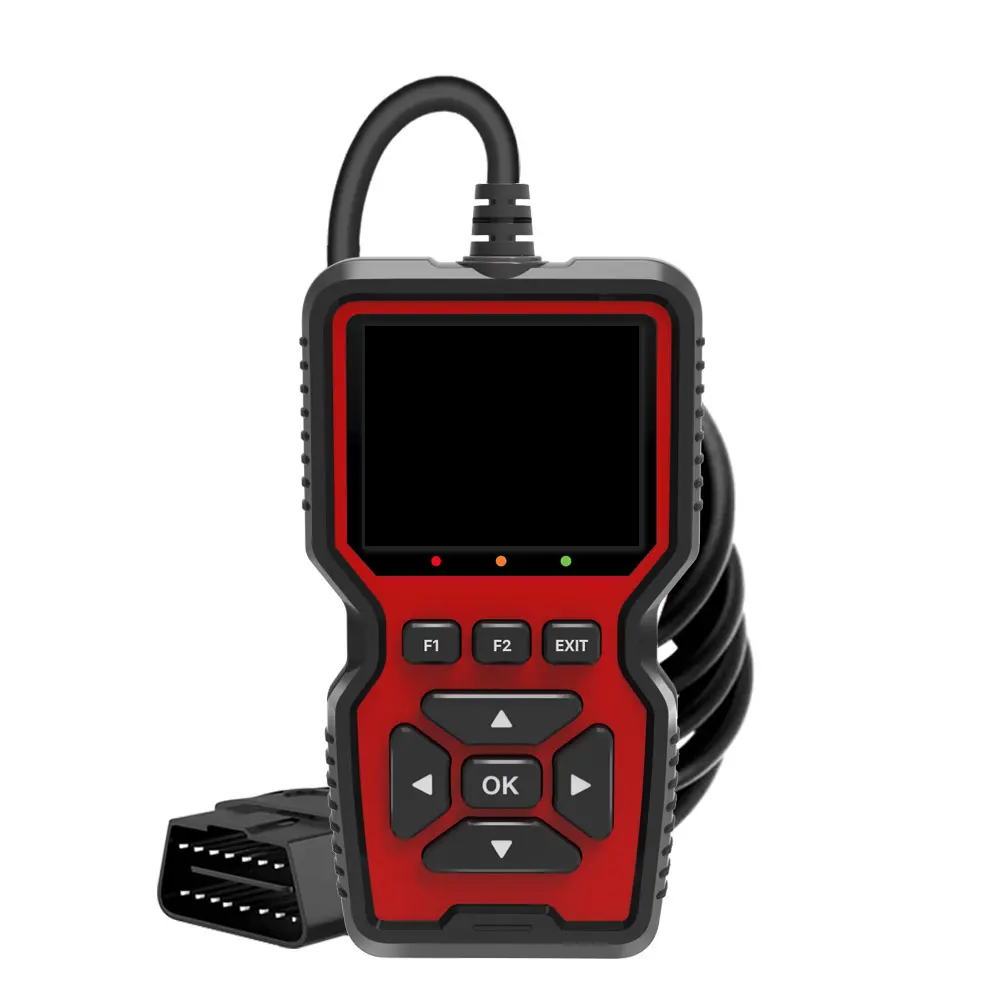
- OBD-II Scanner Live Data Analysis: Connect an advanced OBD-II scanner capable of displaying live data. Monitor the “Power Steering Pressure Sensor” reading (often displayed as a voltage or pressure value) while the engine is running and stationary.
- Wiggle Test: Gently wiggle the wiring harness and connector leading to the PSP sensor. Observe if the live data reading for the PSP sensor changes abruptly or becomes erratic. Pay attention to the engine idle speed as well, noting any fluctuations.
- Steering Input Test: Turn the steering wheel slowly lock-to-lock multiple times while monitoring the PSP sensor data. The voltage/pressure reading should increase smoothly as the wheel is turned and decrease as it is released. Look for any sudden drops, spikes, or freezes in the data that do not correspond to steering input.
- Road Test: If the fault only occurs under specific driving conditions, perform a road test while logging or continuously monitoring the PSP sensor data.
- Digital Multimeter (DMM) Electrical Testing:
- Reference Voltage (Vref) Check: With the ignition ON (engine OFF), back-probe the PSP sensor connector to check the reference voltage (typically 5V) on the Vref wire. Ensure it is stable.
- Ground Circuit Continuity: Test for good ground continuity at the sensor connector using the DMM’s resistance setting. A reading close to 0 ohms is ideal. Perform a voltage drop test on the ground circuit while the circuit is under load.
- Signal Wire Testing: Back-probe the signal wire at the sensor connector. With the engine running and someone turning the steering wheel, observe the voltage fluctuations. The voltage should change smoothly with steering input (e.g., 0.5V to 4.5V range). Look for intermittent open circuits (sudden drops to 0V or high resistance) or intermittent shorts (sudden spikes to Vref or battery voltage, or drops to ground).
- Circuit Integrity Test (Harness): If the sensor tests good, disconnect both the sensor and the ECM/PCM connectors. Test for continuity and resistance in each wire of the PSP sensor circuit from one end of the harness to the other. Also, check for shorts to ground and shorts to power in each wire. Wiggle the harness during these tests to reveal intermittent issues.
- Sensor Verification (Bench Test if possible): If the sensor is easily removable, and its operating characteristics (resistance vs. pressure or voltage vs. pressure) are known, it might be possible to test it off the vehicle by applying pressure (e.g., with a hand pump) and monitoring its output. However, typically, it’s replaced if the wiring is confirmed good and symptoms persist.
Recommended Repairs and Solutions
Once the root cause of the intermittent P0554 code has been identified through thorough diagnosis, the following repairs and solutions are recommended:
- Repair or Replace Damaged Wiring/Connectors: If the visual inspection or DMM tests indicate damaged, frayed, corroded, or loose wiring or connector pins, the affected section must be repaired or replaced. Use appropriate automotive-grade wire and connectors, ensuring proper crimping and sealing for a durable repair. If corrosion is found, clean the terminals thoroughly with electrical contact cleaner and a small brush, then apply dielectric grease.
- Replace the Power Steering Pressure (PSP) Sensor: If the sensor itself is determined to be the culprit (e.g., erratic output despite good wiring, or failing internal tests), it should be replaced with a new, OEM-quality unit.
- Mechanics’ Tip: When replacing the PSP sensor, ensure the power steering system is bled properly afterward to remove any trapped air, which can cause noise or inconsistent power steering assist. Consult the vehicle-specific service manual for the correct bleeding procedure.
- Address Grounding Issues: If a poor ground connection was identified, clean the ground strap connections for the sensor circuit or related modules. Ensure they are tight and free from corrosion.
- Clear DTCs and Retest: After performing any repairs, clear the stored P0554 code using an OBD-II scanner. Then, perform a comprehensive test drive that includes scenarios likely to trigger the sensor (e.g., turning the steering wheel lock-to-lock at various engine speeds, parking maneuvers). Monitor the live data for the PSP sensor during this test to confirm stable readings and ensure the fault does not return.
- ECM/PCM Diagnosis (Least Common): Only consider an ECM/PCM fault after meticulously ruling out all other possibilities, including the sensor itself, wiring, and connectors. This usually involves specialized diagnostic tools and expertise, and often entails swapping the ECM with a known good unit for testing.