What Does Code P0605 Mean?
DTC P0605 signifies an Internal Control Module Read Only Memory (ROM) Error. The Engine Control Module (ECM) or Powertrain Control Module (PCM), the central processing unit of the vehicle’s engine management system, contains various types of memory. ROM, or Read-Only Memory, is a non-volatile memory that stores the foundational operating system, core calibration data, and critical, permanent instructions necessary for the PCM’s fundamental operation. This data is factory-programmed and is generally not intended to be altered during vehicle operation or routine flashing. When the PCM sets a P0605, it means its internal self-monitoring diagnostics have detected an anomaly or corruption within its Read-Only Memory. This could manifest as a checksum error, inability to access critical ROM sectors, or detection of corrupted data that fails integrity checks. Such an error is catastrophic for the PCM, as it compromises the fundamental programming required for the module to function correctly, thereby affecting virtually all engine, transmission, and emissions control subsystems that rely on the PCM’s core operational parameters.
Common Symptoms
- Malfunction Indicator Lamp (MIL) Illumination: The “Check Engine” light will almost certainly be illuminated.
- Engine No-Start Condition: The engine may crank but fail to start, or start intermittently.
- Engine Stalling: The engine may start but then stall unexpectedly.
- Rough Idle or Misfire: Unstable engine operation, poor idle quality, or detected misfires.
- Erratic Transmission Shifting: If the PCM also controls transmission functions, shifting may become harsh, erratic, or unresponsive.
- Reduced Engine Performance: The vehicle may enter a “limp-home” mode, resulting in reduced power, limited RPMs, or poor fuel economy.
- Failure to Communicate with OBD-II Scanner: In severe cases, the PCM may completely lose communication with diagnostic tools.
- Other Related DTCs: Additional seemingly unrelated diagnostic trouble codes may be present due to the PCM’s fundamental instability.
What Causes the Code P0605?
- Internal PCM/ECM Failure: This is the most prevalent cause. A defect within the PCM’s internal circuitry, processor, or the ROM memory chip itself. This can be due to manufacturing defects, age, or heat stress.
- Voltage Irregularities: Severe electrical over-voltage events (e.g., incorrect jump-starting, faulty alternator voltage regulator causing spikes) or prolonged under-voltage conditions (e.g., severely discharged battery, poor battery connections) can corrupt or damage sensitive memory cells within the PCM.
- Improper ECU Programming or Reflashing: While ROM is generally write-protected, an interrupted or failed reflash procedure, or the use of incorrect or corrupted software, could potentially affect memory integrity or trigger internal self-diagnostics that detect a ROM error, even if the primary corruption occurred elsewhere and cascaded.
- Water Intrusion or Physical Damage to PCM: Exposure to moisture can lead to corrosion on the PCM’s circuit board, compromising connections to the memory chips. Physical impact or severe vibration can also damage the module’s internal components.
How to Diagnose and Troubleshoot
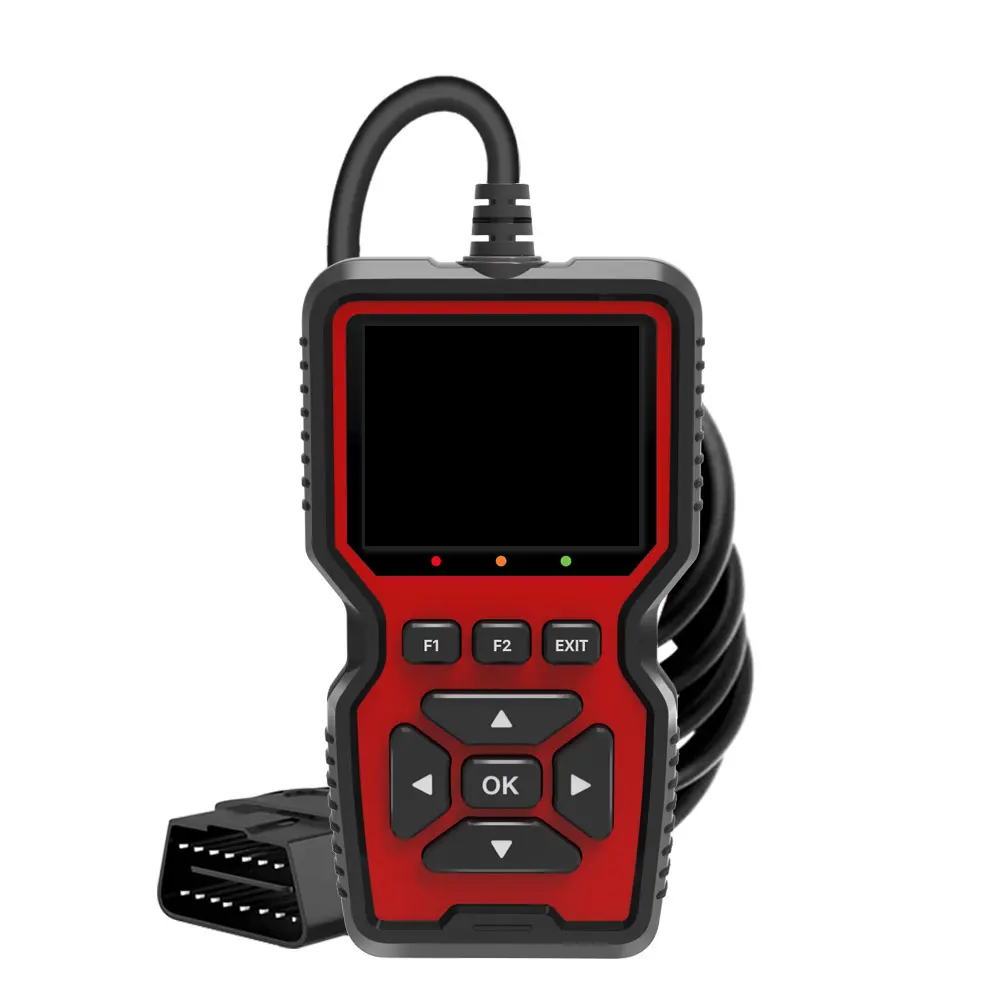
Diagnosing P0605 requires a systematic approach, often culminating in PCM replacement. A digital multimeter (DMM) and a capable OBD-II scanner are essential tools.
- Initial Scan and Visual Inspection:
- Connect an OBD-II scanner. Verify the presence of P0605 and note any other accompanying DTCs. Attempt to clear the code. If P0605 returns immediately, the fault is persistent and active.
- Perform a comprehensive visual inspection of the PCM and its wiring harness connectors. Look for signs of water intrusion, corrosion, frayed wires, bent or pushed-out pins, or physical damage to the PCM housing.
- Inspect the vehicle’s battery terminals and main chassis/engine ground straps for corrosion, looseness, or damage. Ensure clean, tight connections as stable power is critical.
- Power and Ground Circuit Checks (using DMM):
- Obtain the vehicle-specific wiring diagram to identify the PCM’s dedicated power supply (B+) and ground input terminals.
- With the ignition ON and engine OFF, use the DMM to measure voltage at all PCM B+ input pins. Readings should be consistent with battery voltage (typically 12.6V to 13.8V). A significant drop indicates a circuit issue.
- Check for voltage drop on the PCM’s ground circuits. Connect the DMM negative lead to the battery’s negative terminal and the positive lead to each PCM ground pin. A reading of more than a few millivolts (e.g., >50mV) indicates a high-resistance ground connection.
- If a no-start condition exists, monitor the PCM’s B+ voltage during cranking. Excessive voltage drop below 10V during cranking can stress the module.
- PCM Communication Test:
- Attempt to communicate with other control modules (e.g., ABS, BCM, Transmission Control Module) using the scan tool. If communication with other modules is successful but the scan tool cannot establish communication with the PCM, it strongly suggests an internal PCM fault. If no modules communicate, suspect a fault with the Data Link Connector (DLC) wiring or the main vehicle power/ground distribution.
- Component & System Verification (Limited):
- Unlike many other DTCs, P0605 is an internal PCM fault. There are typically no external sensors or wiring harnesses directly causing this specific code. Therefore, extensive testing of external components will likely be unproductive unless other specific DTCs are present.
- Professional Diagnostic Tools:
- OEM-level diagnostic software or advanced aftermarket scan tools may offer more in-depth PCM self-tests or memory integrity checks that can further confirm the internal fault, but these are rarely conclusive beyond the initial P0605 detection.
Recommended Repairs and Solutions
Due to the nature of an internal ROM error, repair options for P0605 are generally limited to replacement of the affected module.
- Replace the Engine Control Module (ECM/PCM):
- This is the most common and often the only effective solution for a genuine P0605 code. The internal ROM cannot be repaired or reprogrammed externally once corrupted.
- When replacing the PCM, always use an OEM replacement or a high-quality, reputable aftermarket remanufactured unit specifically compatible with the vehicle’s make, model, year, and engine configuration.
- Programming and Flashing:
- A new or remanufactured PCM will arrive “blank” or with generic software. It will require programming or “flashing” with the correct software calibration specific to the vehicle’s Vehicle Identification Number (VIN), engine type, transmission, and factory options. This procedure typically requires specialized OEM diagnostic tools or advanced aftermarket programming devices.
- Mechanic’s Tip: Ensure that the programming equipment is connected to a stable, high-amperage power supply (e.g., a battery charger in “flash” mode) during the entire programming process to prevent voltage drops that could brick the new module.
- Immobilizer Relearn:
- On many modern vehicles, the immobilizer system is integrated with the PCM. After installing a new PCM, an immobilizer relearn procedure will be necessary to synchronize the new module with the vehicle’s keys and immobilizer control unit. Without this, the engine will likely not start, even with a correctly programmed PCM.
- Address Underlying Power Issues:
- Before installing a new PCM, it is paramount to ensure that the vehicle’s charging system, battery, and all PCM power/ground circuits are in pristine condition. Replace faulty batteries, alternators, or repair any corroded wiring/connections to prevent the new PCM from encountering the same voltage irregularities that might have contributed to the failure of the original unit.
- Water Intrusion Prevention:
- If the original PCM failure was attributed to water intrusion, identify and repair the source of the leak (e.g., windshield cowl drain, firewall grommet) and ensure the PCM’s mounting location is adequately protected before installing the replacement module.