What Does Code P0742 Mean?
The diagnostic trouble code P0742 signifies a condition where the Powertrain Control Module (PCM) or Engine Control Module (ECM) detects that the Torque Converter Clutch (TCC) circuit is “stuck on.” This implies that the TCC remains engaged or locked when it should be disengaged, particularly at low vehicle speeds or when the vehicle comes to a stop. The TCC is an electronically controlled hydraulic mechanism designed to create a direct mechanical link between the engine and the transmission, bypassing the fluid coupling of the torque converter. This lock-up function improves fuel efficiency and reduces transmission heat by eliminating slip. The PCM monitors the difference in rotational speed between the transmission’s input shaft (engine speed) and the turbine shaft (transmission input speed) to determine TCC slip. When P0742 is set, the module observes minimal or zero slip even when conditions dictate the TCC should be fully disengaged, indicating an unintended mechanical lock-up or an electrical signal falsely commanding engagement. This directly affects the automatic transmission’s hydraulic and electronic control subsystem responsible for torque converter operation.
Common Symptoms
- Engine Stalling: The most prevalent symptom is the engine stalling when the vehicle comes to a stop or slows significantly, as the TCC fails to unlock, effectively keeping the engine mechanically coupled to the drivetrain.
- Harsh Engagement: A noticeable harsh engagement or “clunk” when shifting into Drive or Reverse from Park or Neutral.
- Rough Idle: An unusually low or rough engine idle, particularly when in gear, due to the engine fighting the partially engaged TCC.
- Reduced Fuel Economy: While the TCC is designed to improve fuel economy when engaged, being stuck on in inappropriate conditions can indirectly lead to suboptimal engine performance and fuel consumption.
- Increased Transmission Fluid Temperature: Constant strain on the transmission and potential for excessive heat generation if the TCC is slipping incorrectly while trying to disengage.
- Check Engine Light (CEL): Illumination of the Malfunction Indicator Lamp (MIL) on the dashboard.
- Difficulty or Erratic Shifting: The PCM may struggle to control shift points or gear engagement if it incorrectly perceives the TCC status.
What Causes the Code P0742?
- Faulty Torque Converter Clutch (TCC) Solenoid: The solenoid itself can become mechanically stuck in the “on” (apply) position due to internal debris, wear, or an electrical short within the solenoid causing it to remain energized.
- Internal Transmission Fluid Passage Blockage: Debris, sludge, or manufacturing imperfections within the transmission valve body or hydraulic circuits can prevent the TCC release pressure from disengaging the clutch.
- Faulty Transmission Valve Body: Stuck or worn TCC apply/release valves, or a worn valve body bore, can prevent the correct hydraulic routing to control the TCC.
- Contaminated Transmission Fluid: Old, degraded, or contaminated transmission fluid can lead to solenoid malfunction, valve body sticking, and increased internal wear.
- Internal Torque Converter Failure: Mechanical failure of the TCC friction material or the lock-up mechanism within the torque converter itself can cause it to physically bind.
- Wiring Short to Power: The electrical control circuit for the TCC solenoid could have a short to a constant power source, keeping the solenoid continuously energized even when the PCM commands it off.
- Faulty Powertrain Control Module (PCM)/Transmission Control Module (TCM): Though less common, a defective control module could erroneously command the TCC on, or misinterpret input speed sensor data, leading to a false P0742 condition.
How to Diagnose and Troubleshoot
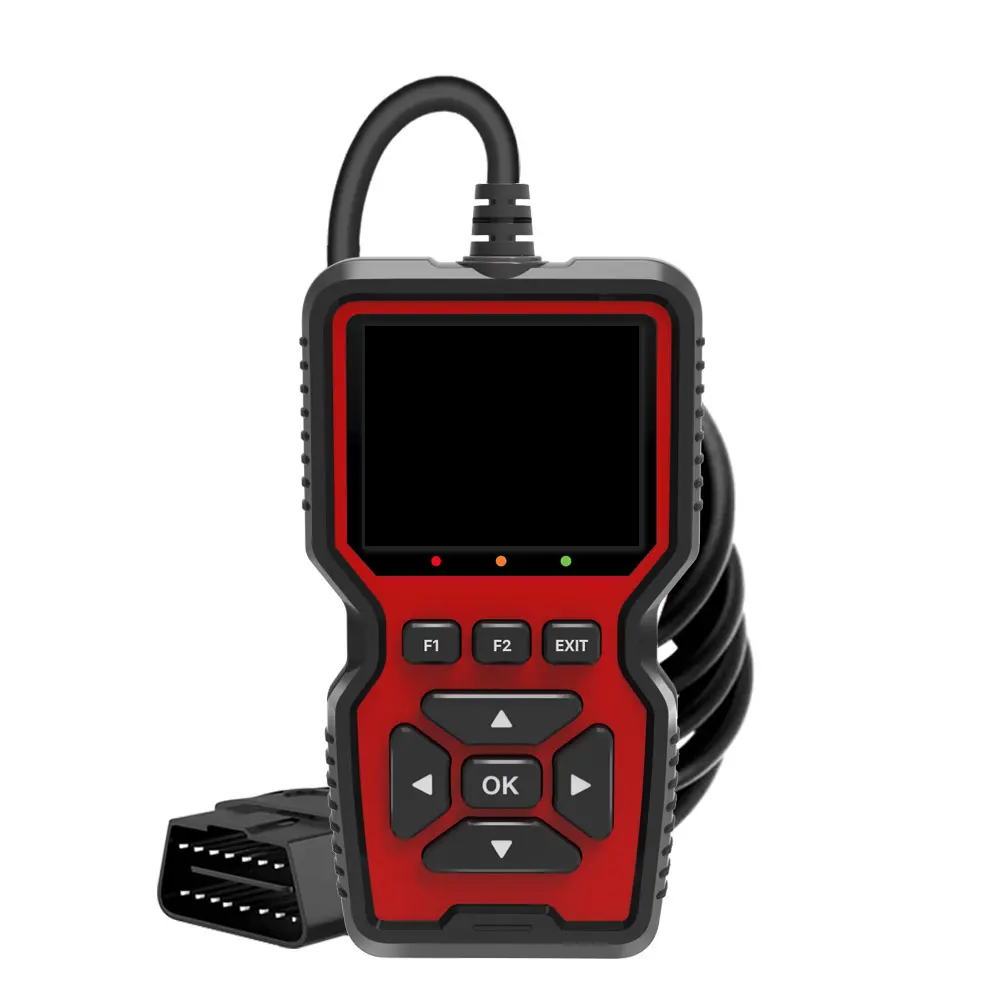
Diagnosing P0742 requires a systematic approach involving an OBD-II scanner, a digital multimeter (DMM), and careful visual inspection.
- Retrieve and Analyze Diagnostic Data:
- Connect an OBD-II scan tool and retrieve P0742. Note any other pending or active transmission-related codes.
- Review freeze frame data, which captures engine and vehicle parameters at the moment the code was set. This provides a snapshot of operating conditions.
- Monitor live data parameters: Engine RPM, Transmission Input Speed Sensor (TISS), Transmission Output Speed Sensor (TOSS), TCC Solenoid Command Status, and TCC Slip RPM.
- At idle in Drive, with the brake applied, the TISS and TOSS should show a significant difference (slip). If they are very close or identical, it strongly suggests the TCC is locked when it shouldn’t be.
- Observe TCC Slip RPM. When the PCM commands the TCC OFF, slip RPM should be high (typically several hundred RPM). If slip RPM is near zero when the TCC is commanded OFF, the clutch is stuck on.
- If the scan tool has bi-directional control, attempt to command the TCC solenoid ON and OFF while monitoring engine RPM and slip RPM to observe its response.
- Inspect Transmission Fluid:
- Check the transmission fluid level, ensuring it is within the manufacturer’s specified range.
- Evaluate the fluid condition: Note its color (should be reddish, not dark brown or black), smell (burnt odor indicates overheating/internal damage), and presence of metallic particles or debris. Severely contaminated fluid points to internal wear.
- Visual Inspection of Wiring and Connectors:
- Carefully inspect the external transmission wiring harness for any signs of chafing, cuts, corrosion, or damage, particularly where it connects to the transmission case and where the TCC solenoid harness exits the case.
- Check all relevant connectors for proper seating and corrosion.
- Electrical Testing of TCC Solenoid (using DMM):
- Access to the TCC solenoid typically requires dropping the transmission pan and removing the valve body assembly. Refer to the vehicle-specific service manual for exact procedures and solenoid location.
- With the ignition off and the TCC solenoid disconnected, measure the resistance of the TCC solenoid across its terminals using a DMM. Compare the reading to manufacturer specifications (typically 10-25 ohms). An open circuit (OL) or a resistance value significantly outside the specified range indicates an internal solenoid fault.
- Check for a short to ground or short to power in the TCC solenoid wiring by measuring resistance between the solenoid’s terminals and chassis ground, and between the terminals and the battery positive terminal (with battery disconnected).
- Back-probe the TCC solenoid control circuit at the PCM/TCM connector (with the solenoid connected) and monitor voltage while operating the vehicle or cycling the ignition. Look for unintended voltage signals that would keep the solenoid energized when it should be off.
- Internal Transmission Inspection (if electrical tests are inconclusive):
- With the pan dropped, examine the pan magnet for excessive metallic debris. A large amount of clutch material or significant metal shavings indicates internal mechanical failure.
- Carefully inspect the valve body for any visible damage, stuck valves, or excessive wear.
- If internal components appear suspect and external diagnostics are negative, a hydraulic pressure test of the TCC apply/release circuits may be necessary, often requiring specialized gauges.
Recommended Repairs and Solutions
The resolution for P0742 depends directly on the root cause identified during diagnosis.
- Replace TCC Solenoid: If electrical tests confirm a faulty TCC solenoid (incorrect resistance, open circuit, or internal short), replacement is the most common repair. This typically involves removing the transmission pan and sometimes the valve body. Always use an OEM-quality replacement solenoid.
- Service Transmission Fluid and Filter: If the transmission fluid is contaminated or degraded, a complete fluid exchange and filter replacement are essential. Thoroughly clean the transmission pan and magnet.
- Repair or Replace Valve Body: If diagnosis points to sticking valves, worn bores, or blockages within the valve body, it may need to be serviced or replaced. In some cases, specific valve body repair kits can address worn bores (e.g., re-sleeving), but often a replacement valve body is the recommended solution.
- Repair Wiring Harness: If a short to power, open circuit, or excessive resistance is found in the TCC solenoid’s wiring harness, the affected section should be professionally repaired or the entire harness replaced if damage is extensive.
- Replace Torque Converter: If all other components (solenoid, valve body, wiring) test good, and symptoms strongly indicate a mechanical lock-up, the issue likely lies within the torque converter itself. This requires transmission removal and replacement of the torque converter.
- PCM/TCM Replacement: Only consider replacing the PCM or TCM as a last resort, after meticulously ruling out all other potential causes. If the module is deemed faulty, it will require programming to the vehicle.
Important Mechanics’ Tips:
- Cleanliness is Paramount: When working inside the transmission, maintain absolute cleanliness. Even tiny particles of dirt can cause future issues.
- Manufacturer Specifications: Always consult the vehicle’s specific service manual for precise resistance values, voltage ranges, and diagnostic procedures. These can vary significantly between models and manufacturers.
- Related Codes: Always check for and address any other transmission-related codes simultaneously, as they might provide additional clues or be a result of the same underlying issue.
- Test Drive Verification: After any repair, clear the code and perform an extended test drive under various driving conditions, monitoring live data to confirm that the TCC is engaging and disengaging correctly and that the code does not return.
- Check for TSBs: Before proceeding with major repairs, check for any Technical Service Bulletins (TSBs) related to P0742 for the specific vehicle year, make, and model, as manufacturers often issue known fixes for common issues.