What Does Code P0755 Mean?
The OBD-II diagnostic trouble code P0755 signifies a detected malfunction within the electrical circuit or operational performance of the Shift Solenoid B in an automatic transmission system. The Transmission Control Module (TCM), often integrated within the Powertrain Control Module (PCM) or Engine Control Module (ECM), is responsible for monitoring this solenoid. Shift Solenoid B is an electromechanical valve situated within the transmission’s valve body. Its primary function is to regulate hydraulic fluid pressure, which is critical for engaging and disengaging specific gear ratios. The TCM/PCM sets this code when it detects an anomaly in the solenoid’s electrical circuit (e.g., an open circuit, short circuit, or out-of-specification resistance) or when the solenoid fails to respond as expected to commanded inputs. This indicates that the desired hydraulic pressure necessary for precise gear engagement cannot be reliably achieved through Solenoid B, impacting the transmission’s ability to shift smoothly or correctly.
Common Symptoms
- Malfunction Indicator Lamp (MIL) illumination: The “Check Engine” light will be illuminated on the dashboard.
- Transmission slipping: The transmission may feel like it’s momentarily disengaging or losing power between shifts.
- Harsh or delayed shifts: Gear changes may be noticeably abrupt, rough, or take an unusually long time to engage.
- Transmission stuck in a single gear (Limp Mode): The vehicle’s transmission may default to a “limp-home” mode, often locking into a specific gear (e.g., 2nd or 3rd) to prevent further damage.
- Failure to engage specific gears: Certain gears might be unattainable, or the transmission may refuse to downshift/upshift as commanded.
- Reduced fuel economy: Incorrect gear engagement or slipping can lead to inefficient power transfer and higher fuel consumption.
- Transmission overheating: In severe cases, continuous slipping or incorrect hydraulic pressure can generate excessive heat within the transmission.
What Causes the Code P0755?
- Faulty Shift Solenoid B: The most common cause, involving an internal electrical failure (open circuit, short circuit, or incorrect resistance) or mechanical binding/sticking within the solenoid itself.
- Wiring Harness Issues: Damaged, chafed, corroded, or shorted wiring leading to or from Shift Solenoid B. This also includes poor or intermittent connections at the solenoid or TCM/PCM connectors.
- Low or Contaminated Transmission Fluid: While not a direct electrical cause, incorrect fluid level or severely contaminated fluid can impair solenoid operation and hydraulic pressure, leading to symptoms that mirror an electrical fault or premature solenoid failure.
- Faulty Transmission Control Module (TCM/PCM): Although less common, an internal fault within the TCM/PCM could lead to incorrect command signals to the solenoid or misinterpretation of its feedback, erroneously setting the code.
- Internal Transmission Mechanical Problems: In rare instances, blockages in the valve body passages or severe internal wear could prevent proper hydraulic response even if the solenoid is electrically sound, but the code specifically points to solenoid circuit/performance.
How to Diagnose and Troubleshoot
Diagnosing P0755 requires a methodical approach, combining visual inspection with electrical circuit testing:
- OBD-II Scan and Freeze Frame Data Analysis:
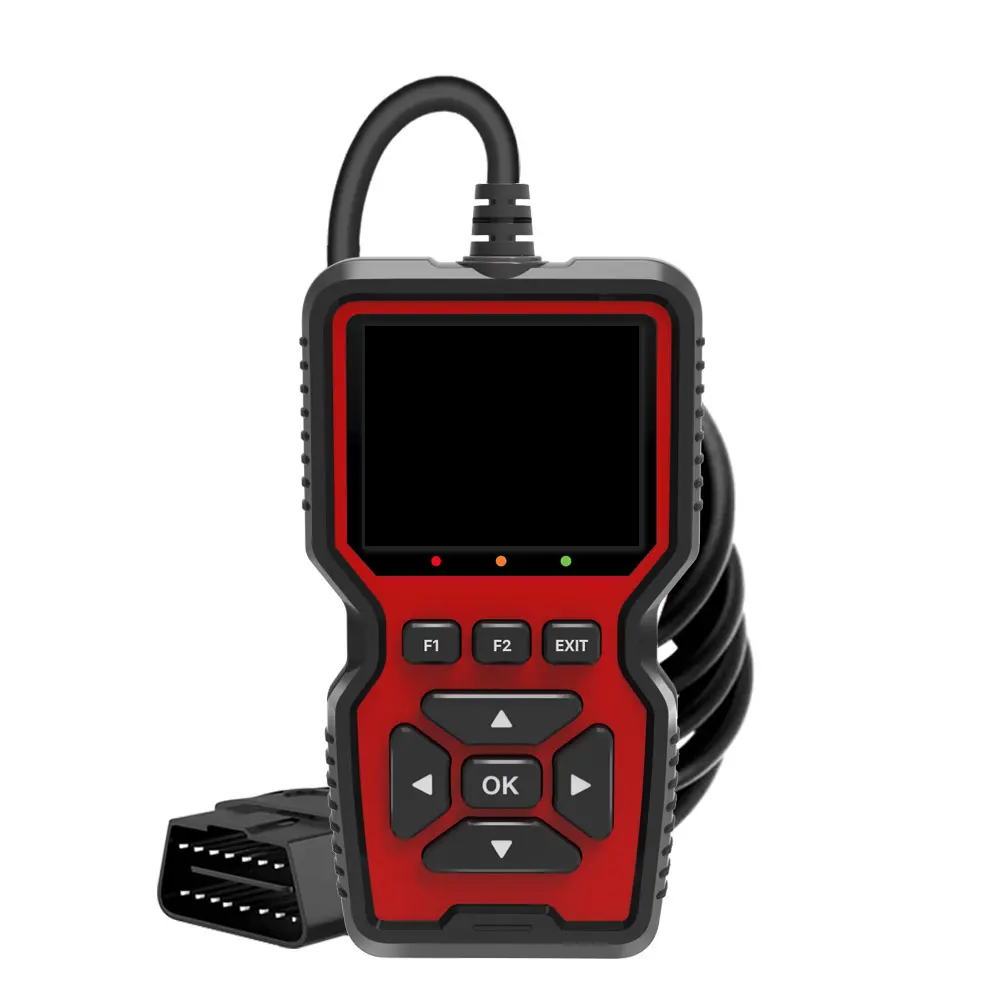
- Connect an advanced OBD-II scanner. Retrieve all active and pending Diagnostic Trouble Codes (DTCs).
- Carefully review the Freeze Frame Data associated with P0755. This data provides critical operational parameters (engine RPM, vehicle speed, throttle position, transmission temperature, commanded gear, actual gear) at the exact moment the code was set, which can help replicate the conditions.
- Clear the DTCs and perform a test drive, attempting to mimic the conditions present in the freeze frame data to see if the code returns.
- Transmission Fluid Level and Condition Check:
- With the vehicle on level ground and the engine at operating temperature (and usually running, per manufacturer specifications), check the transmission fluid level using the dipstick. Ensure it’s within the specified range.
- Visually inspect the fluid for color, odor, and debris. Burnt smell, dark brown/black color, or metallic particles indicate significant internal wear or overheating.
- Visual Inspection of Wiring and Connectors:
- Locate the transmission’s main wiring harness and the connectors that lead to the valve body or external solenoids.
- Inspect the entire wiring path for signs of chafing, cuts, pinching, corrosion, or heat damage.
- Carefully disconnect the relevant connectors and inspect the terminals for bent pins, corrosion, or signs of poor contact. Pay particular attention to the solenoid connectors.
- Shift Solenoid B Resistance Test:
- Access the Shift Solenoid B. This often requires dropping the transmission pan and removing the valve body cover.
- Using a Digital Multimeter (DMM) set to ohms (Ω), measure the resistance across the two terminals of Shift Solenoid B.
- Compare the reading to the manufacturer’s specifications (typically found in the vehicle’s service manual, often ranging from 10 to 30 ohms).
- An infinite reading (open circuit) or a very low reading (short circuit) indicates a faulty solenoid. Readings significantly outside the specified range also point to a problem.
- Wiring Harness Continuity and Short-to-Ground/Voltage Test:
- With the solenoid disconnected and the TCM/PCM connector disconnected, use the DMM to check for continuity between the appropriate terminals for Shift Solenoid B at both ends of the harness. There should be continuity with minimal resistance.
- Check for continuity between each solenoid wire and a known good chassis ground, and between each solenoid wire and a constant 12V source (e.g., battery positive). There should be no continuity (open circuit) in either case, indicating no shorts to ground or power.
- Solenoid Activation Test (Advanced, if applicable):
- Some advanced scan tools or bidirectional diagnostic equipment can command individual solenoids ON/OFF. While commanded, listen for an audible click from the solenoid or monitor changes in transmission pressure/fluid flow if accessible.
- Alternatively, with the solenoid removed or accessible, apply a small, fused 12V power supply and ground directly to the solenoid’s terminals (refer to service manual for voltage/polarity) to test for an audible click, indicating mechanical movement.
Recommended Repairs and Solutions
The primary repair strategy for P0755 focuses on addressing the most common causes in a logical sequence:
- Replace Faulty Shift Solenoid B: If the resistance tests or activation tests indicate a direct failure of the solenoid, replacing Shift Solenoid B is the most direct solution. This usually involves dropping the transmission pan, draining the fluid, and removing the valve body to access and replace the specific solenoid. Always use OEM or high-quality aftermarket solenoids to ensure compatibility and longevity.
- Repair or Replace Damaged Wiring/Connectors: If the visual inspection or electrical continuity tests reveal damaged wiring or corroded/loose connectors, the affected sections must be repaired or replaced. Ensure all repairs are made with appropriate gauge wire, sealed connections, and proper routing to prevent future issues. Clean all connector terminals thoroughly before reassembly.
- Transmission Fluid and Filter Service: If the transmission fluid level was low or the fluid was found to be severely contaminated (dark, burnt smell, debris), perform a complete transmission fluid and filter change according to the vehicle manufacturer’s specifications. This can sometimes resolve hydraulic issues impacting solenoid operation and prolong transmission life.
- Valve Body Replacement: In scenarios where multiple solenoids are faulty, or if Shift Solenoid B tests good but symptoms persist and all other electrical and fluid-related issues have been definitively ruled out, the valve body itself might be internally faulty (e.g., worn bores, stuck valves). Replacing the entire valve body assembly might be necessary, which is a more extensive and costly repair.
- TCM/PCM Replacement/Reprogramming: Only consider replacing or reprogramming the TCM/PCM as a last resort, after all other components and wiring have been thoroughly tested and confirmed to be in good working order. This is a rare cause for P0755 and requires careful diagnostic confirmation to avoid unnecessary expense. Ensure any replacement module is properly programmed to the vehicle’s VIN and specifications.
Mechanic’s Tips:
- Always refer to the vehicle-specific service manual for correct torque specifications, fluid types, and diagnostic procedures.
- When dropping the transmission pan, be prepared for fluid spillage. Use appropriate drain pans and protective gear.
- Inspect the transmission pan for any excessive metal debris, which could indicate more significant internal transmission wear beyond just a solenoid issue.
- After replacing any transmission components or servicing the fluid, perform a thorough test drive to confirm the repair and ensure all codes remain clear. Some transmissions may require a specific “relearn” or “fast learn” procedure for shift adaptations after component replacement; consult the service manual for your specific vehicle.