What Does Code P0779 Mean?
DTC P0779 signifies an intermittent electrical or performance fault within the Pressure Control (PC) Solenoid B circuit or the solenoid itself. In modern automatic transmissions, Pressure Control Solenoids, also known as Electronic Pressure Control (EPC) solenoids, are crucial electromechanical components responsible for regulating hydraulic line pressure. This line pressure is vital for controlling clutch engagement, band application, and ultimately, the smooth and precise shifting of gears. The Transmission Control Module (TCM), often integrated with the Powertrain Control Module (PCM), continuously monitors the electrical characteristics (resistance, current draw, duty cycle) and hydraulic response of these solenoids. When the TCM detects that PC Solenoid B’s electrical signal, current draw, or its expected hydraulic output (often inferred through pressure sensor feedback or shift performance monitoring) is intermittently outside factory specifications, it flags P0779. An “intermittent” condition suggests that the fault is not consistently present, but rather occurs sporadically, potentially under specific operating conditions such as varying temperatures, vibrations, or specific load demands, making diagnosis more challenging than a constant open or short circuit.
Common Symptoms
- Harsh or Delayed Shifting: Transmission may engage gears abruptly or exhibit noticeable delays during upshifts or downshifts due to erratic pressure regulation.
- Transmission Slipping: Insufficient or fluctuating hydraulic pressure can lead to clutches or bands not fully engaging, causing the transmission to slip during acceleration.
- Erratic or Unpredictable Shifting: The transmission may “hunt” for gears, shift prematurely, or hold gears for too long.
- Reduced Fuel Economy: Inefficient power transfer and erratic shifting can lead to higher fuel consumption.
- Transmission Overheating: Slipping clutches generate excessive heat, which can lead to premature transmission wear and fluid degradation.
- Activation of “Limp Mode”: The TCM may engage a fail-safe mode, limiting available gears (e.g., stuck in 3rd or 4th gear) to prevent further damage.
- Illuminated Malfunction Indicator Lamp (MIL): The Check Engine Light will be illuminated on the dashboard.
What Causes the Code P0779?
- Faulty Pressure Control Solenoid B: Internal electrical intermittency (e.g., worn windings, poor solder joints, intermittent short to ground or open circuit) or mechanical sticking/binding within the solenoid body due to wear or debris.
- Contaminated Transmission Fluid: Metal shavings, clutch material, or other debris in the transmission fluid can intermittently clog the solenoid’s filter screen or interfere with its internal moving parts, affecting its ability to regulate pressure correctly. Severely degraded or incorrect fluid type can also exacerbate solenoid issues.
- Damaged or Corroded Wiring/Connectors: Intermittent electrical connection issues in the wiring harness leading to PC Solenoid B. This can include chafed wires, corroded terminals in the connector (especially common where moisture ingress is possible), or loose pins at either the solenoid or the TCM/PCM connector.
- Faulty Transmission Valve Body: Worn valve bores or sticking valves within the valve body can affect the hydraulic flow controlled by the solenoid, making the solenoid appear faulty or exacerbating its intermittent performance.
- Internal Transmission Mechanical Faults: While less direct, internal leaks or worn components within the transmission that affect hydraulic pressure could indirectly cause the TCM to detect an intermittent issue with the solenoid’s pressure regulation.
- TCM/PCM Malfunction: Although less common, an intermittent internal fault within the TCM or PCM itself could cause it to incorrectly interpret solenoid signals or fail to provide proper control, leading to a false P0779 code.
How to Diagnose and Troubleshoot
Diagnosis of an intermittent code like P0779 requires methodical inspection and testing, often including observation during varying operating conditions.
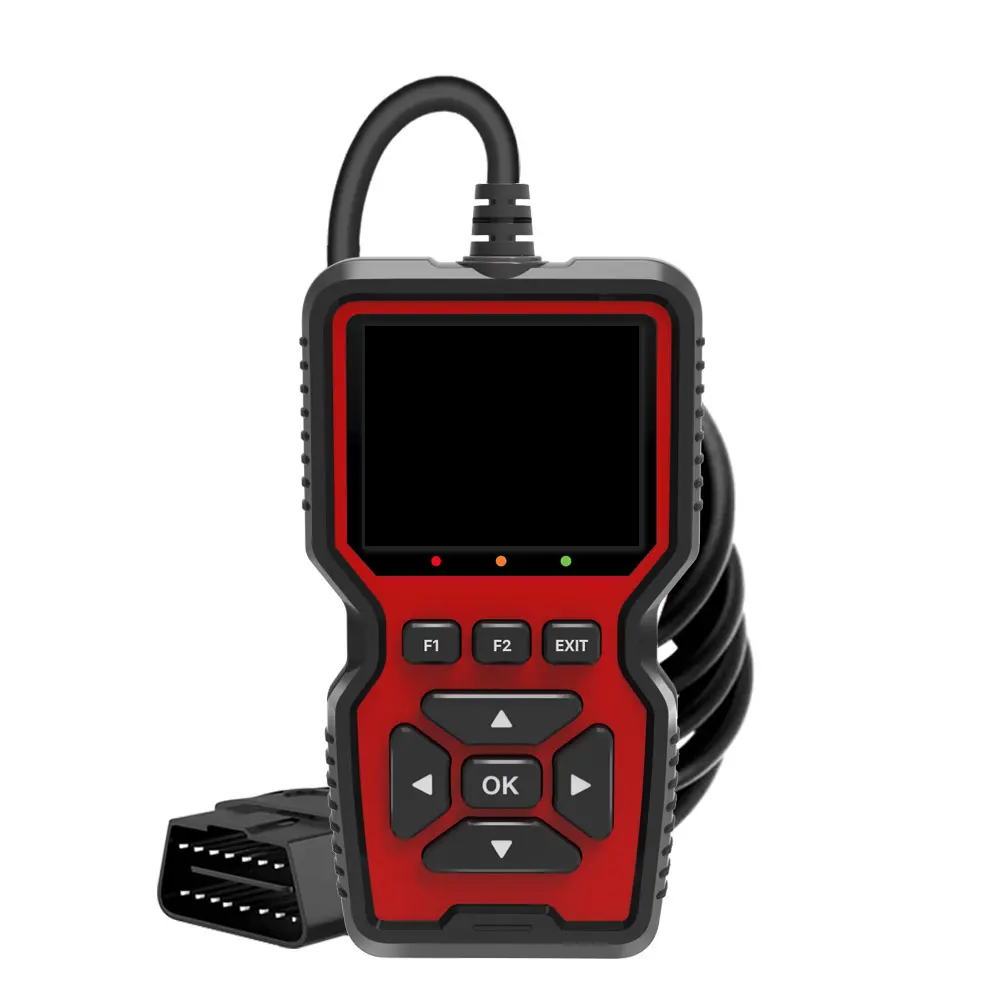
- Retrieve and Analyze DTCs and Freeze Frame Data: Connect an OBD-II scanner to retrieve P0779 and any related codes. Pay close attention to freeze frame data, which records engine and transmission parameters at the moment the code was set. This data can provide clues regarding temperature, load, and speed when the intermittent fault occurred. Clear the codes after recording.
- Inspect Transmission Fluid: Check the transmission fluid level, condition (color, smell), and presence of debris. Burnt fluid, excessive metallic sheen, or particulate matter indicates internal transmission wear, which can contaminate and affect solenoid operation. If the fluid is dark, smells burnt, or contains debris, a fluid and filter change may be necessary, but this often points to deeper internal issues.
- Visual Inspection of Wiring and Connectors: Carefully inspect the wiring harness leading to the transmission and specifically to PC Solenoid B (often located within the transmission pan or valve body). Look for signs of chafing, cuts, bare wires, corrosion at the connectors, or loose terminals. Perform a “wiggle test” on the connector while monitoring live data for any fluctuations that might indicate an intermittent connection.
- Electrical Testing of Solenoid B (Power-Off):
- Resistance Test: With the battery disconnected and the solenoid connector unplugged, use a Digital Multimeter (DMM) to measure the resistance of PC Solenoid B across its terminals. Compare the reading to manufacturer specifications (typically 10-25 ohms for most pressure control solenoids, but consult vehicle-specific data). An out-of-spec reading or an open circuit indicates a faulty solenoid. If accessible, gently tap or wiggle the solenoid during the test to reveal intermittent opens or shorts.
- Continuity to Ground/Power: Test for continuity between the solenoid terminals and chassis ground, and between the terminals and battery positive. There should be no continuity unless specified by the manufacturer (some solenoids are grounded internally).
- Electrical Testing of Solenoid Circuit (Power-On):
- Voltage Supply: With the ignition ON (engine OFF), test for proper voltage supply (usually battery voltage) at the solenoid’s power feed wire in the disconnected connector (consult wiring diagram for correct pin).
- Control Circuit Integrity: Backprobe the control wire(s) at the TCM/PCM connector (consult wiring diagram) and at the solenoid connector while the transmission is operating (if safe to do so on a lift or during a controlled road test). Monitor the voltage or duty cycle signal from the TCM. Look for intermittent drops, spikes, or loss of signal that doesn’t correspond to commanded solenoid action. A DMM with a min/max function or an oscilloscope can be very useful here to capture transient events.
- Live Data Monitoring (OBD-II Scanner – On-Road Test): Perform a road test while monitoring key transmission PIDs (Parameter IDs) with an advanced scan tool. Monitor transmission fluid temperature, commanded solenoid duty cycle/current for PC Solenoid B, line pressure (if available), and actual gear ratios. Look for discrepancies between commanded and actual values or erratic behavior when symptoms occur. Attempt to replicate the conditions from the freeze frame data.
- Valve Body Inspection/Removal: If electrical tests confirm the circuit is sound and the fluid is clean, and an intermittent solenoid remains suspected, removal of the transmission pan and valve body may be necessary. Physically inspect PC Solenoid B for visual damage, debris, or sticking. Bench test the solenoid by applying power and ground to verify audible clicking and smooth operation.
Recommended Repairs and Solutions
The repair strategy for P0779 typically follows a tiered approach based on diagnostic findings:
- Replace Faulty Pressure Control Solenoid B: This is the most common repair for a confirmed intermittent solenoid fault. Accessing the solenoid usually requires draining the transmission fluid, removing the transmission pan, and often the valve body assembly. Always use OEM or high-quality aftermarket solenoids to ensure proper operation and longevity. After replacement, ensure the correct amount and type of fresh transmission fluid is used.
- Transmission Fluid and Filter Service: If fluid contamination was noted during inspection, perform a complete transmission fluid flush (if recommended by the manufacturer) and replace the transmission filter along with the solenoid. This helps prevent future solenoid issues and prolongs transmission life.
- Repair or Replace Damaged Wiring/Connectors: If diagnostic steps identify damaged or corroded wiring or connectors leading to PC Solenoid B, carefully repair the wiring using proper soldering and heat-shrink methods, or replace the entire section of the harness if damage is extensive. Clean any corroded terminals and ensure a tight, secure connection.
- Valve Body Overhaul or Replacement: If the solenoid tests good but symptoms persist and other diagnostic data points towards hydraulic issues within the valve body (e.g., sticking valves, worn bores), then an overhaul of the valve body or its complete replacement may be necessary. This is a more involved repair and should only be pursued after ruling out solenoid and wiring issues.
- PCM/TCM Reprogramming or Replacement: In very rare cases, if all other components test perfectly and the diagnostic data strongly indicates a control module fault, reprogramming or replacement of the TCM/PCM might be required. This should always be a last resort.
Mechanics’ Tips:
- After replacing the solenoid and refilling the transmission, perform any necessary transmission adaptation or relearn procedures as per the vehicle manufacturer’s service information. This allows the TCM to learn the new solenoid’s characteristics and adjust shift parameters.
- Always ensure the correct type of transmission fluid is used, as specified by the manufacturer. Using the wrong fluid can lead to premature transmission failure and invalidate warranties.
- For intermittent issues, a comprehensive road test after repairs is critical to confirm the fix, trying to replicate the conditions under which the original code was set.
- Consider inspecting other solenoids in the valve body for signs of wear or contamination, especially if the transmission has high mileage or has shown signs of general shifting issues.