What Does Code P1125 Mean?
DTC P1125 signifies an intermittent fault detected within the Throttle Position Sensor (TPS) circuit. The Throttle Position Sensor is a critical input device for the Engine Control Module (ECM) or Powertrain Control Module (PCM), typically a potentiometer that provides a variable voltage signal directly proportional to the throttle plate’s angle. This signal informs the ECM about the driver’s power demand, influencing crucial engine operating parameters such as fuel injection pulse width, ignition timing, idle speed control, and automatic transmission shift points. When P1125 is set, the ECM has detected inconsistencies, momentary signal dropouts, voltage spikes, or erratic readings from the TPS that do not correlate with other sensor inputs (e.g., Manifold Absolute Pressure (MAP) sensor, engine RPM, vehicle speed sensor) or expected throttle plate movement. Unlike a P0120 (TPS circuit malfunction) or P0121 (TPS performance issue) which often indicate a sustained out-of-range or rationality fault, P1125 specifically points to transient, non-persistent anomalies in the TPS signal. This intermittent nature makes diagnosis particularly challenging as the fault may not be continuously present. The primary subsystem affected is the engine management system, leading to compromised fuel delivery and air/fuel ratio control.
Common Symptoms
- Erratic or Surging Idle: The engine RPM may fluctuate unpredictably at idle.
- Hesitation or Stumble During Acceleration: A momentary loss of power or delay when the throttle is applied.
- Reduced Engine Power / Limp Mode: The ECM may command a restricted performance mode to prevent potential engine damage.
- Intermittent Check Engine Light (CEL) Illumination: The Malfunction Indicator Lamp (MIL) may turn on and off.
- Inconsistent or Harsh Automatic Transmission Shifts: The transmission may shift erratically or roughly due to incorrect throttle input.
- Cruise Control Malfunction: Inability to engage or maintain cruise control speed.
- Engine Stalling: The engine may stall, especially when decelerating or coming to a stop.
What Causes the Code P1125?
- Faulty Throttle Position Sensor (TPS): Internal wear of the resistive track or wiper contact within the TPS is the most common cause, leading to intermittent signal loss, dead spots, or erratic voltage output as the throttle plate moves.
- Corroded or Damaged Wiring/Connectors: Frayed wires, compromised insulation, loose terminal pins, or corrosion within the TPS electrical connector or wiring harness can create intermittent open circuits or high resistance, especially under vibration or varying temperatures.
- Intermittent Short to Voltage or Ground: A momentary contact between the TPS signal wire and a power source or chassis ground can disrupt the signal.
- Throttle Body Contamination or Wear: Excessive carbon buildup around the throttle plate or wear in the throttle plate shaft bushings can cause the throttle plate to stick or bind intermittently, leading to sudden, non-linear TPS signal changes that the ECM interprets as sensor faults.
- ECM/PCM Internal Fault (Rare): While infrequent, an internal fault within the ECM’s TPS input circuit could cause misinterpretation of a correct signal. This is typically a last resort diagnosis.
How to Diagnose and Troubleshoot
Diagnosis of an intermittent P1125 requires meticulous attention to detail and careful testing:
- Visual Inspection: Begin by visually inspecting the TPS wiring harness and connector. Look for any signs of fraying, cuts, abrasions, pinch points, or corrosion. Ensure the connector is fully seated and securely latched. Inspect the throttle body for excessive carbon buildup around the throttle plate and bore that might impede smooth operation.
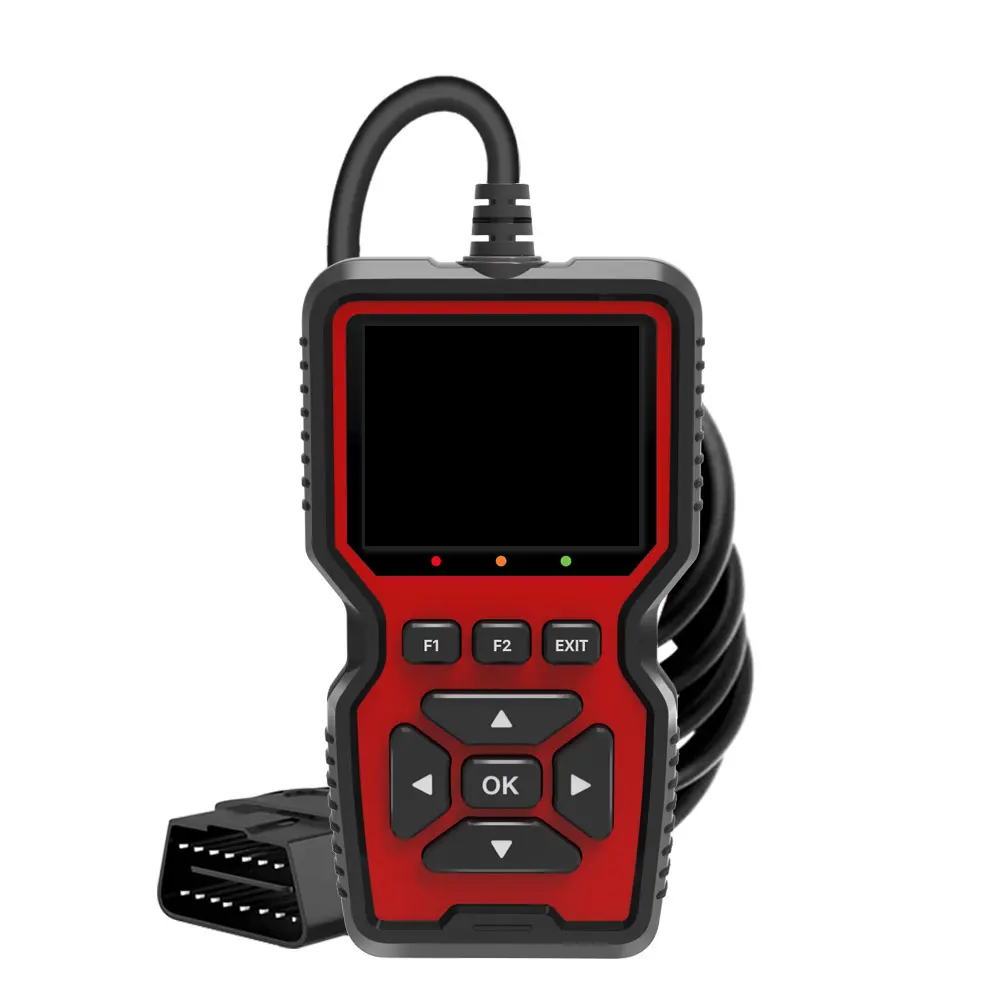
- OBD-II Scanner Live Data Analysis:
- Connect an OBD-II scanner and access live data for the TPS voltage (or percentage).
- With the engine off and key on (KOEO), slowly depress and release the accelerator pedal through its full range of motion while monitoring the TPS voltage. It should display a smooth, linear increase from the closed throttle position (typically 0.5V-1.0V) to the wide-open throttle position (typically 4.0V-4.8V). Look for any sudden drops, spikes, flat spots, or erratic fluctuations in the voltage reading.
- While monitoring live data, gently wiggle, pull, and twist the TPS connector and wiring harness. Observe if the TPS voltage signal fluctuates or becomes unstable, indicating an intermittent connection issue.
- If the vehicle is equipped with a dual TPS system, compare the readings of TPS1 and TPS2 for consistency and rationality.
- Digital Multimeter (DMM) Testing:
- Verify Reference Voltage and Ground: With the TPS connector disconnected, and the key on, engine off, use a DMM to test for the 5V reference voltage and a stable ground at the TPS connector terminals. A missing or unstable reference voltage or ground can cause intermittent issues.
- Signal Voltage Sweep Test (Backprobing): Reconnect the TPS. Carefully backprobe the TPS signal wire at the connector. With the key on, engine off, slowly open the throttle plate by hand from fully closed to fully open. Observe the DMM reading for a smooth, linear voltage sweep. Any sudden jumps, drops, or complete signal loss indicates an internal sensor fault. This test can be highly effective in catching intermittent internal TPS issues.
- Continuity and Resistance Check: If wiring issues are suspected, disconnect the ECM and the TPS. Use the DMM to check for continuity on each wire from the TPS connector to the ECM connector. Also, check for shorts to ground or power on all TPS circuit wires.
- Throttle Plate Operation Check: Manually operate the throttle plate to feel for any binding, sticking, or rough spots throughout its travel. Address any mechanical obstructions before condemning the TPS.
Recommended Repairs and Solutions
Addressing DTC P1125 typically involves replacing or repairing components identified during the diagnostic process:
- Replace the Throttle Position Sensor (TPS): In the vast majority of cases where the DMM or live data sweep test reveals intermittent signal issues, replacing the TPS is the most common and effective solution. Ensure the replacement part is of high quality and designed for your specific vehicle. After replacement, a throttle body relearn procedure may be necessary, depending on the vehicle manufacturer’s specifications.
- Repair or Replace Damaged Wiring/Connectors: If the visual inspection or wiggle test indicated issues with the wiring harness or connector, repair any damaged wires using solder and heat-shrink tubing for durability. Replace the entire connector or sub-harness if damage is extensive or the pins are corroded beyond cleaning. Always use OEM-grade replacement parts for critical sensor circuits.
- Clean the Throttle Body: If significant carbon buildup was observed, thoroughly clean the throttle body using a specialized throttle body cleaner. Pay attention to the throttle plate edges and the bore to ensure smooth, unobstructed operation. Be careful not to damage any electronic components (like the TPS itself or the Idle Air Control valve) during cleaning.
- ECM/PCM Replacement (Last Resort): Only consider replacing the ECM/PCM after all other potential causes, including the TPS, wiring, and throttle body mechanics, have been meticulously ruled out and confirmed to be in good working order. ECM failures are rare and often require specific diagnostic procedures by a dealership or specialist.
- Post-Repair Verification: After performing any repairs, clear the DTCs using an OBD-II scanner. Perform an extended test drive under various driving conditions, including idle, light acceleration, heavy acceleration, and deceleration, to confirm that the issue is resolved and the P1125 code does not return. Re-check TPS live data during the test drive to ensure a stable and accurate signal.