What Does Code P1238 Mean?
DTC P1238 signifies a detected malfunction within the Fuel Pump Secondary Circuit. In contemporary automotive fuel systems, particularly those employing demand-controlled fuel delivery, the Engine Control Module (ECM) or Powertrain Control Module (PCM) utilizes a Fuel Pump Driver Module (FPDM) to modulate the voltage supplied to the fuel pump. This allows for precise control over fuel pressure and volume, optimizing fuel economy and performance. The “secondary circuit” typically refers to the dedicated feedback loop and/or the control circuit between the FPDM and the fuel pump, or the FPDM and the PCM, that the ECM/PCM monitors for proper operation. The ECM/PCM sets code P1238 when it detects an electrical anomaly on this circuit—such as an open circuit, short to voltage, short to ground, or an out-of-range voltage/current signal—that indicates the FPDM is either not receiving correct commands, not responding properly, or the fuel pump itself is drawing incorrect current for the commanded output. This directly impacts the ECM/PCM’s ability to regulate fuel pressure effectively, which can lead to inadequate or excessive fuel delivery to the engine.
Common Symptoms
- Engine Cranks, No Start: If the fuel pump is completely inoperative due to the circuit malfunction.
- Engine Misfire or Rough Idle: Caused by inconsistent or insufficient fuel pressure leading to lean or rich conditions.
- Lack of Power or Hesitation: Especially noticeable during acceleration, as the engine does not receive adequate fuel under load.
- Engine Stalling: Intermittently or frequently, particularly under varying load conditions.
- Check Engine Light (CEL) Illumination: The primary indicator for most OBD-II related faults.
- Poor Fuel Economy: If the fuel pump is running at an inefficient rate or delivering incorrect pressure.
- Audible Whining from Fuel Tank Area: Indicating the fuel pump is straining or operating improperly.
What Causes the Code P1238?
- Faulty Fuel Pump Driver Module (FPDM): This is a very common cause, as the FPDM is responsible for receiving control signals from the PCM and adjusting voltage to the fuel pump. Internal failures, corrosion due to environmental exposure, or shorts can occur.
- Wiring Harness Issues: Open circuits, shorts to voltage, shorts to ground, or high resistance in the wiring between the PCM, FPDM, and the fuel pump. This includes damaged insulation, chafed wires, or corroded terminals within connectors.
- Defective Fuel Pump Assembly: An internal short or open within the fuel pump motor itself can cause abnormal current draw or no operation, leading the FPDM and PCM to detect a circuit malfunction. This includes issues with the pump’s internal commutator or brushes.
- Corroded Electrical Connectors: Especially at the FPDM, the fuel pump module, or in the main harness leading to these components. Corrosion increases resistance and disrupts signal integrity.
- Faulty Fuel Pump Relay or Fuse: While less directly a “secondary circuit” issue, a compromised relay or fuse in an associated power circuit could indirectly affect FPDM operation or feedback.
- Powertrain Control Module (PCM/ECM) Malfunction: Though rare, an internal fault within the PCM preventing it from properly sending command signals to the FPDM or correctly interpreting feedback signals can set this code.
How to Diagnose and Troubleshoot
A systematic diagnostic approach is crucial for P1238:
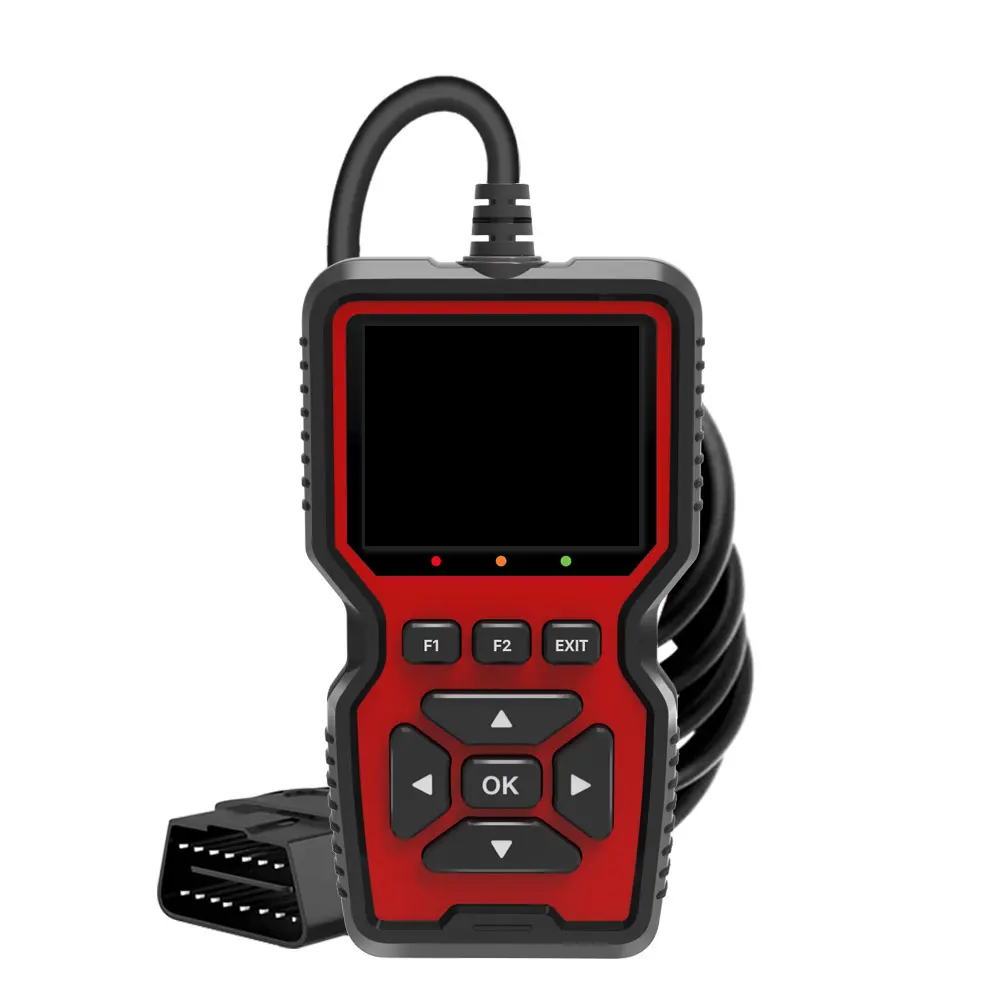
- Retrieve and Analyze DTCs: Use an OBD-II scanner to pull P1238 and any other pending or history codes. Crucially, access freeze frame data to understand engine conditions (RPM, engine load, temperature, etc.) when the code was set. This provides valuable context for diagnosis.
- Visual Inspection: Begin with a thorough visual inspection of the fuel pump driver module (FPDM) and its surrounding wiring harness and connectors. Look for signs of corrosion, physical damage, chafing, or loose connections. Pay close attention to the FPDM’s mounting location, as some models are prone to corrosion if poorly sealed or exposed to road salt.
- Fuel Pressure Verification: Connect a mechanical fuel pressure gauge to the fuel rail. Key On/Engine Off (KOEO), observe initial fuel pressure. Crank the engine and note the running pressure. Compare readings against manufacturer specifications. Low or no pressure confirms a fuel delivery issue, while excessively high pressure could indicate a control problem or return line restriction (though less common with modern returnless systems).
- FPDM Power and Ground Circuits Check:
- With the ignition in the OFF position, disconnect the FPDM electrical connector.
- Using a Digital Multimeter (DMM), set to DC Volts, check for battery voltage at the FPDM’s main power supply wire with the ignition in the RUN position.
- Check for a solid ground connection at the FPDM’s ground wire(s) using the DMM set to Ohms (for continuity to chassis ground, ideally < 5 Ohms) and by performing a voltage drop test while current is flowing (if possible).
- FPDM Command Signal Check (PCM to FPDM):
- Reconnect the FPDM. Access the signal wire from the PCM to the FPDM. This is typically a Pulse Width Modulated (PWM) signal.
- Using an oscilloscope, observe the PWM signal with the ignition KOEO and while cranking the engine. The PCM commands a specific duty cycle based on fuel demand. Verify the presence and integrity of this signal. A missing or distorted signal points to a PCM or wiring issue on the command side.
- Fuel Pump Output Circuit Check (FPDM to Fuel Pump):
- Back-probe the FPDM output wires leading to the fuel pump.
- With the ignition KOEO (the pump typically primes for a few seconds) and while cranking, use a DMM to measure the voltage output from the FPDM to the fuel pump. It should be a varying DC voltage or PWM, depending on the system, commanded by the FPDM. A missing or incorrect voltage here, despite a good FPDM input signal, suggests a faulty FPDM.
- Fuel Pump Resistance and Current Draw Test:
- Disconnect the fuel pump electrical connector at the tank.
- Using a DMM set to Ohms, measure the resistance across the fuel pump terminals. Compare this value to manufacturer specifications. An open circuit (infinite resistance) indicates a faulty pump.
- For a dynamic test, connect an amp clamp around the fuel pump’s power wire. While the pump is commanded ON (e.g., using a scan tool’s bi-directional control or by jumping the relay momentarily), observe the current draw. An excessively high or low current draw indicates an internal pump issue.
- Wiring Continuity and Resistance Checks: Perform continuity and resistance checks on all wires between the PCM, FPDM, and fuel pump using the DMM. Look for high resistance (> 1-2 Ohms) in power and ground circuits, and open circuits in signal wires. Pay particular attention to connectors for pin fitment and corrosion.
Recommended Repairs and Solutions
Once the root cause is identified through the diagnostic steps, implement the appropriate repair:
- Repair or Replace Damaged Wiring/Connectors: If the visual inspection or DMM tests reveal damaged wiring, corroded terminals, or loose connections, repair these using proper automotive-grade connectors, heat-shrink solder sleeves, or by replacing the affected harness section. Ensure all repairs are weatherproof and robust.
- Replace Fuel Pump Driver Module (FPDM): If the FPDM is receiving correct input signals and power/ground, but is not outputting the correct voltage/current to the fuel pump, it is very likely faulty. When replacing, ensure proper mounting to prevent future corrosion issues, especially if the original unit showed signs of water ingress or galvanic corrosion. Some FPDMs are located in vulnerable positions (e.g., under the vehicle near the spare tire).
- Replace Fuel Pump Assembly: If the fuel pump itself exhibits incorrect resistance, draws abnormal current, or fails to produce adequate fuel pressure despite receiving the correct voltage from the FPDM, the entire fuel pump module inside the fuel tank will need replacement. Always relieve fuel pressure and disconnect the battery before working on fuel system components.
- PCM Reprogramming or Replacement: Only consider this after all other components and wiring have been thoroughly tested and confirmed to be in good working order. A faulty PCM is a rare cause for P1238, but if identified as the source of an incorrect command signal or misinterpretation of feedback, it may require reprogramming or replacement, often followed by coding or programming to the vehicle’s VIN.
- Clear DTCs and Test Drive: After completing any repairs, clear all diagnostic trouble codes using an OBD-II scanner. Perform a comprehensive test drive under varying engine loads and speeds to ensure the issue is resolved and the code does not return. Monitor fuel pressure and FPDM command/feedback signals with a scan tool’s data stream during the test drive for further verification.