What Does Code P1272 Mean?
The diagnostic trouble code P1272, “Cylinder #2 High To Low Side Open,” indicates that the Engine Control Module (ECM), also known as the Powertrain Control Module (PCM), has detected an open circuit condition in the primary control circuit for the ignition coil of cylinder number 2. In most modern ignition systems, the ECM directly controls the primary winding of each ignition coil by grounding the circuit to create a magnetic field, which then collapses to induce a high voltage spark in the secondary winding. An “open circuit” on the high to low side refers to a break in the electrical continuity, preventing current flow through the primary winding. This means the ECM is commanding the cylinder #2 ignition coil to fire, but it is not detecting the expected current draw or voltage drop across the primary circuit, indicating that the circuit is incomplete. This failure prevents the cylinder #2 spark plug from receiving the necessary high voltage spark, leading to a misfire condition for that specific cylinder.
Common Symptoms
- Check Engine Light (CEL) illumination
- Engine misfire, particularly noticeable as a rough idle or vibration
- Reduced engine power and acceleration
- Engine hesitation or stumbling under load
- Decreased fuel economy
- Increased exhaust emissions
- Engine may run rough or intermittently stall
What Causes the Code P1272?
- Faulty Ignition Coil (Cylinder #2): An internal open circuit within the primary winding of the cylinder #2 ignition coil is the most common cause.
- Damaged Wiring Harness: A break, cut, or severely frayed wire in the power supply or control circuit leading to the cylinder #2 ignition coil connector.
- Corroded or Loose Connectors: Poor electrical contact at the cylinder #2 ignition coil connector or at the ECM/PCM connector due to corrosion, bent pins, or inadequate seating.
- Faulty ECM/PCM: Although less common, a defective ignition coil driver circuit within the ECM/PCM itself for cylinder #2 can cause this code.
How to Diagnose and Troubleshoot
Diagnosing P1272 requires careful electrical testing:
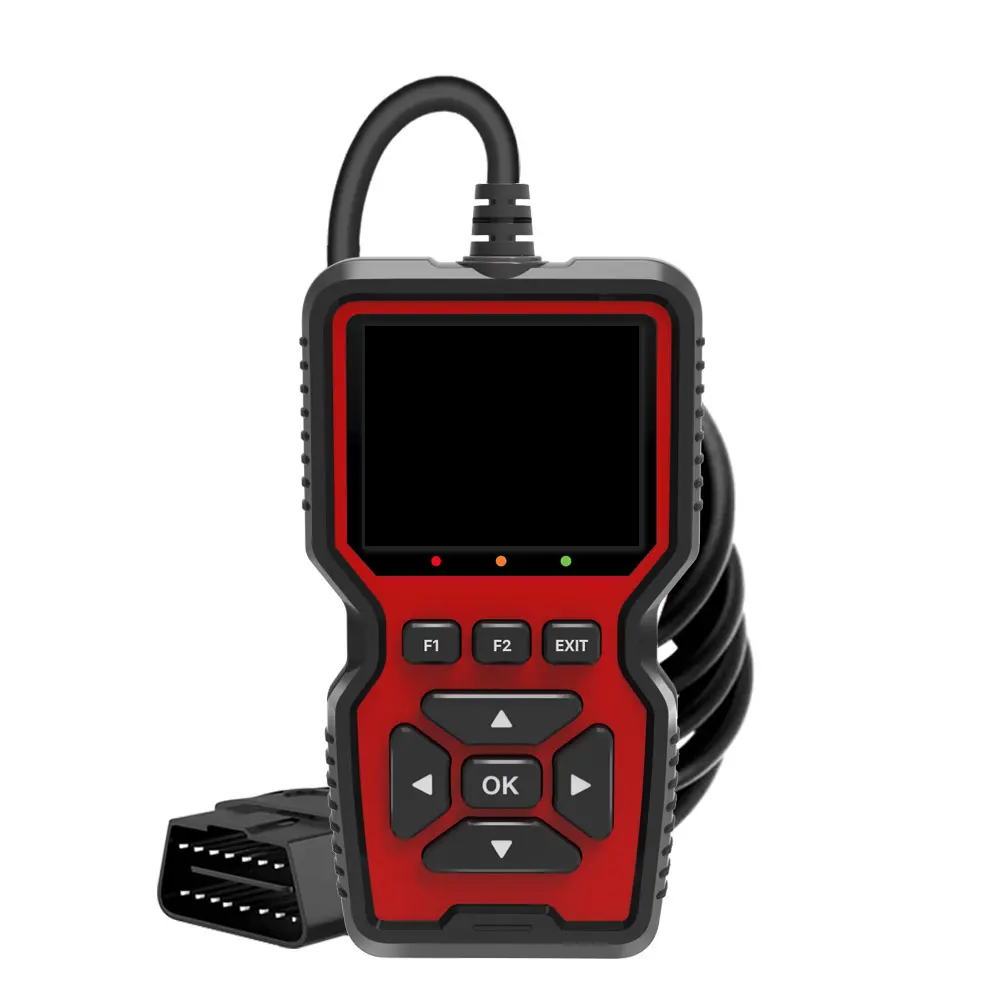
- OBD-II Scanner Confirmation: Connect an OBD-II scanner to verify P1272 is present. Check for any other related codes, especially misfire codes (e.g., P0302 for cylinder 2 misfire). Record freeze frame data for diagnostic reference.
- Visual Inspection: Begin by visually inspecting the wiring harness and electrical connector for cylinder #2 ignition coil. Look for signs of damage, fraying, cuts, pinching, corrosion on the terminals, or loose connections. Ensure the connector is fully seated.
- Ignition Coil Swap Test: If accessible, swap the cylinder #2 ignition coil with a known good coil from another cylinder (e.g., cylinder #1). Clear the DTCs, start the engine, and recheck for codes. If the code shifts to the cylinder where the suspect coil was moved (e.g., P1271 or P0301), the ignition coil is faulty. If P1272 remains for cylinder #2, the issue is likely in the wiring or ECM/PCM.
- Digital Multimeter (DMM) Testing (Ignition OFF, Battery Disconnected for Resistance Checks):
- Ignition Coil Resistance Check: Disconnect the cylinder #2 ignition coil. Using a DMM set to ohms, measure the resistance across the primary side terminals of the coil. Consult manufacturer specifications for the correct resistance range. An “open” circuit will show extremely high or infinite resistance (OL on most DMMs), confirming an internal coil fault. Compare readings to a known good coil if specifications are unavailable.
- Power Supply Check (Ignition ON): With the ignition coil connector disconnected and the ignition ON, identify the power supply wire (usually 12V constant or switched) at the cylinder #2 ignition coil harness connector. Use a DMM to check for battery voltage. If no voltage is present, trace the power supply circuit back to the fuse box or relay for an open circuit.
- Control Circuit Continuity Check: Disconnect the battery and both the cylinder #2 ignition coil connector and the ECM/PCM connector. Identify the control wire for cylinder #2 at both ends. Use the DMM to check for continuity between the corresponding pins at the coil connector and the ECM/PCM connector. An “open” circuit indicates a break in the control wire. Also, check for short to ground and short to voltage on this wire.
- Ground Circuit Check: Verify proper ground continuity for the coil, if applicable. Some coils have dedicated grounds, others are grounded via the ECM’s switching action.
- Oscilloscope Check (Advanced): With the engine running (if possible), connect an oscilloscope to the control wire for the cylinder #2 ignition coil. Observe the waveform for the coil driver signal. A properly functioning circuit will show a consistent switching pattern (square wave). An open circuit on the control side might show a flat line (no signal) or an abnormal voltage level, depending on where the open exists.
Recommended Repairs and Solutions
Based on the diagnostic findings, implement the following repairs:
- Replace Faulty Ignition Coil: If the DMM resistance test or the coil swap test confirms a defective ignition coil for cylinder #2, replace it. It is often advisable to use OEM quality or high-grade aftermarket ignition coils to ensure compatibility and reliability.
- Repair or Replace Wiring Harness: If an open circuit or damage is found in the wiring harness, perform a professional repair by soldering and heat-shrinking the damaged section, or replace the affected portion of the harness. Ensure proper gauge wire and connections are used.
- Clean or Replace Connectors: Address any corrosion on the electrical terminals of the ignition coil connector or ECM/PCM connector. Use electrical contact cleaner and ensure pins are not bent. If the connector is severely damaged, replace it.
- ECM/PCM Replacement: Only consider ECM/PCM replacement as a last resort, after meticulously ruling out all other possibilities. If testing with an oscilloscope confirms the ECM is not providing a proper switching signal to cylinder #2 despite correct power and ground inputs, and no wiring faults exist, the ECM may be internally defective. ECM replacement often requires specialized programming and calibration.
Mechanics’ Tips:
Always clear all diagnostic trouble codes after completing any repairs. Perform a thorough test drive under various engine loads and speeds to confirm the repair has resolved the issue and that the code does not return. It’s also a good practice to inspect the spark plug for cylinder #2 for any signs of fouling or damage, as a defective coil can sometimes damage the plug, or a defective plug can stress the coil.