What Does Code P1280 Mean?
DTC P1280 signifies an Injection Control Pressure (ICP) Out Of Range Low condition. This code is specifically pertinent to diesel engines utilizing a high-pressure oil pump (HPOP) and hydraulically activated electronically controlled unit injectors (HEUI) or similar common rail systems where engine oil pressure is critical for fuel injection. The Engine Control Module (ECM), also referred to as the Powertrain Control Module (PCM), continuously monitors the actual ICP value reported by the ICP sensor and compares it against the desired ICP value, which is dynamically calculated based on engine speed, load, throttle position, and engine temperature. When the ECM detects that the actual ICP falls below a minimum calibrated threshold or significantly deviates from the desired ICP target on the low side for a specified duration, it interprets this as insufficient pressure within the high-pressure oil rail and sets code P1280. This indicates a fundamental inability of the injection system to generate or maintain the necessary hydraulic pressure to properly actuate the fuel injectors, leading to fuel delivery issues.
Common Symptoms
- Extended Cranking or No-Start Condition: The most prevalent symptom, especially when the engine is warm, as lower oil viscosity can exacerbate leaks or pump inefficiencies.
- Rough Idling or Misfiring: Inconsistent or insufficient injection pressure can lead to erratic fuel delivery.
- Reduced Engine Power and Acceleration: The ECM may command a reduced power output (limp mode) to protect the engine if adequate injection pressure cannot be maintained.
- Stalling: The engine may stall, particularly under load or during acceleration, if ICP drops too low.
- Check Engine Light (CEL) Illumination: The Malfunction Indicator Lamp (MIL) will be activated.
- Excessive White or Grey Smoke from Exhaust: Unburnt or poorly atomized fuel due to insufficient injection pressure can manifest as smoke.
What Causes the Code P1280?
- Insufficient Engine Oil Level or Degraded Oil Quality: The HPOP relies on clean, correctly specified engine oil for its operation. Low oil levels or excessively diluted/degraded oil can lead to cavitation, reduced pump efficiency, and inability to build pressure.
- Faulty Injection Control Pressure (ICP) Sensor: A defective sensor can send an inaccurate low-pressure signal to the ECM, even if actual pressure is adequate. Alternatively, it might simply fail to register pressure.
- Faulty Injection Pressure Regulator (IPR) Valve: The IPR valve controls the high-pressure oil by diverting excess oil back to the sump. If the IPR valve is stuck open, its solenoid is faulty, or it has internal leakage, it will bleed off pressure from the high-pressure oil rail, preventing target ICP from being achieved.
- Internal Leakage in the High-Pressure Oil System: This is a very common cause, often involving:
- Worn or Damaged Injector O-Rings: The O-rings sealing the high-pressure oil passages on the HEUI injectors can fail, allowing high-pressure oil to leak into the cylinder head drain passages.
- Leaking Standpipes, Dummy Plugs, or Branch Tube O-Rings: Components within the valve covers that form part of the high-pressure oil circuit are prone to O-ring failure.
- Cracked High-Pressure Oil Rail or Supply Lines: Physical damage to the oil rail or the steel lines supplying it.
- Worn or Failed High-Pressure Oil Pump (HPOP): Internal wear or failure of the HPOP’s pumping elements or relief valves can prevent it from generating sufficient pressure.
- Electrical Circuit Issues: Open circuits, short circuits, or high resistance in the wiring harness or connectors leading to the ICP sensor or IPR valve can result in incorrect readings or improper valve operation.
How to Diagnose and Troubleshoot
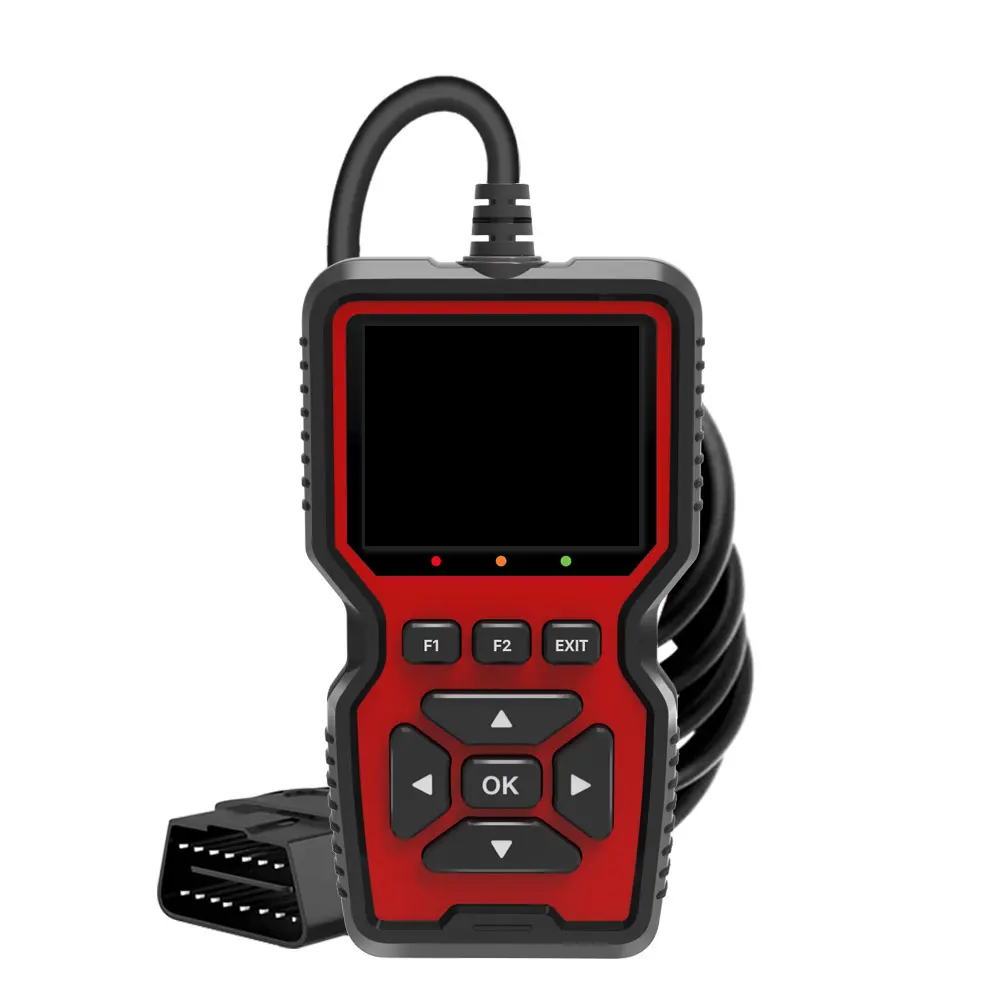
Diagnosing P1280 requires a systematic approach, often leveraging an advanced OBD-II scanner capable of monitoring live data and performing bi-directional controls, along with a digital multimeter (DMM) and specialized tools.
- Initial Visual Inspection:
- Verify engine oil level and condition. Low or severely degraded oil must be addressed first.
- Inspect the wiring harnesses and connectors for the ICP sensor and IPR valve for any signs of damage, chafing, corrosion, or loose connections.
- Look for external oil leaks around the HPOP, oil cooler, and valve covers.
- OBD-II Scanner Live Data Analysis:
- Connect an advanced scan tool and monitor the ICP_actual and ICP_desired PIDs during cranking and with the engine running (if possible). Observe any significant discrepancy where actual ICP is consistently below desired.
- Monitor the IPR_duty_cycle PID. If the IPR duty cycle is consistently high (e.g., >60% at idle, or approaching 85% during extended cranking) and ICP is still low, it strongly suggests a significant leak or a weak HPOP, as the ECM is commanding maximum pressure but not achieving it.
- Check for other related DTCs (e.g., P1211 – ICP higher/lower than desired, P1281 – ICP out of range high, or IPR circuit codes) as these can provide additional diagnostic clues.
- ICP Sensor Testing:
- With the key on, engine off (KOEO), disconnect the ICP sensor electrical connector. Many ECMs will default to a ‘calculated’ or ‘fallback’ ICP value (e.g., 580 PSI / 4 MPa for some Ford Power Strokes). If the engine now starts or runs better, it indicates a faulty ICP sensor providing an erroneous low reading.
- Using a DMM, back-probe the ICP sensor signal wire (typically a 0-5V reference). Compare the voltage reading to the specified pressure-to-voltage conversion chart from the service manual.
- IPR Valve Testing:
- If equipped with a bi-directional scanner, command the IPR valve duty cycle to various percentages while monitoring ICP. Observe its responsiveness.
- Check the resistance of the IPR valve solenoid coil using a DMM. Compare the reading to factory specifications (typically around 10-12 ohms). An open circuit or out-of-spec resistance indicates a faulty solenoid.
- If suspected, remove the IPR valve and inspect for debris, damaged O-rings, or a sticking poppet valve.
- High-Pressure Oil System Air Test (Highly Recommended for Internal Leaks):
- Remove the ICP sensor and the IPR valve.
- Install an appropriate air test adapter into the IPR valve port.
- Apply regulated shop air (typically 100-150 PSI) to the high-pressure oil system.
- Listen carefully for air leaks:
- Under the valve covers: Indicates leaking injector O-rings, standpipe O-rings, or dummy plug O-rings.
- Into the crankcase/oil pan via the oil filler or PCV system: Strong indicator of injector O-ring failure (typically the lower O-rings allowing air to bypass into the return oil passages).
- From the HPOP cover or fittings: Indicates leaks within the HPOP itself or its connections.
- From the oil filter housing: Can indicate an issue with the HPOP cover gasket.
- A leak down test can also be performed, noting how quickly the pressure drops.
- HPOP Output Test (Advanced):
- For definitive HPOP diagnosis, specialized tools are required to block the high-pressure oil output and measure the pressure directly from the pump or to perform a volume test. This is typically done after ruling out all other causes of leakage.
Recommended Repairs and Solutions
Once the root cause of P1280 has been identified through thorough diagnosis, the following repairs are commonly indicated:
- Engine Oil Service: If low oil level or contaminated oil was identified, perform a complete engine oil and filter change, ensuring the correct viscosity and specification oil is used. This is often the simplest and least costly first step.
- Replace ICP Sensor: If diagnostic tests confirm the ICP sensor is providing inaccurate readings or has failed. Ensure the new sensor is properly torqued and the connector is clean and secure.
- Replace IPR Valve: If the IPR valve is found to be stuck, has an open or shorted coil, or exhibits excessive internal leakage. A new IPR valve should always be installed with new O-rings.
- Repair High-Pressure Oil Leaks: This is a very common and critical repair.
- Injector O-Rings: If an air test or other diagnostics point to injector leaks, all injector O-rings (top, middle, and bottom) should be replaced. This typically involves removing the valve covers, rocker arms, and the injectors themselves. It’s often recommended to replace all injector O-rings as a set, even if only one is found leaking, due to similar wear patterns.
- Standpipes, Dummy Plugs, and Branch Tube O-Rings: These components, located under the valve covers, are frequent sources of leaks. Replace the affected components and their O-rings.
- High-Pressure Oil Rail or Line Repair: Any cracked or damaged oil rails or high-pressure lines must be replaced to maintain system integrity.
- Replace High-Pressure Oil Pump (HPOP): If, after thoroughly ruling out all external and internal leaks and sensor/valve faults, the HPOP is confirmed to be unable to generate sufficient pressure, it requires replacement. This is a more involved and costly repair.
- Wiring or Connector Repair: If damage to the ICP sensor or IPR valve wiring harness or connectors is discovered, perform precise repairs or replace the affected section of the harness to restore proper electrical conductivity and signal integrity.
Mechanic’s Tip: Always verify engine oil level and quality before any in-depth diagnostics on P1280. For HEUI systems, the air test is an invaluable diagnostic tool for quickly pinpointing internal oil leaks that are often the primary cause of low ICP. When replacing injector O-rings, ensure the injector bores in the cylinder head are scrupulously clean to prevent damage to the new O-rings during installation.