What Does Code P1294 Mean?
DTC P1294, “Injector High Side Open – Bank 2/Target idle not reached,” is a complex diagnostic trouble code indicating a critical electrical malfunction within the fuel injection system primarily affecting Bank 2 of the engine, alongside a resultant failure to achieve the Engine Control Module’s (ECM/PCM) commanded idle speed. The ECM continuously monitors the electrical integrity and operational status of various engine components, including the fuel injectors. For a multi-port fuel injection system, each injector typically receives a constant 12-volt supply (the “high side”) when the ignition is on, with the ECM providing a ground pulse (the “low side”) to fire the injector. An “Injector High Side Open” condition on Bank 2 signifies that the ECM has detected an interruption or absence of the expected 12-volt power supply to one or more injectors on Bank 2. This could be due to a wiring harness fault, a blown fuse, a faulty relay, or an internal open circuit within the injector windings themselves on Bank 2.
Concurrently, the “Target idle not reached” component of this code signifies a severe engine operational deficit. When injectors on an entire bank (or a significant portion thereof) are not functioning due to the high side open condition, the engine will experience severe misfires on those cylinders. This dramatically reduces engine power output and stability, making it impossible for the ECM to maintain the programmed idle RPM. The ECM monitors crankshaft position sensor (CKP) and camshaft position sensor (CMP) inputs to determine engine speed and uses these, along with other sensor data, to regulate idle. When the actual engine speed falls significantly below the target idle speed for a calibrated period due to the Bank 2 injector issue, the ECM registers this secondary fault, contributing to the P1294 code.
Common Symptoms
- Check Engine Light (MIL) illumination: This is almost always the first and most obvious symptom.
- Rough idle or stalling: The engine will run very poorly, stumble, and may die, especially at idle, due to the complete lack of combustion on Bank 2 cylinders.
- Severe engine misfires: Noticeable vibration, shaking, and a distinct lack of power as several cylinders are not contributing.
- Reduced engine power and acceleration: With an entire bank of cylinders non-functional, the engine will be severely down on power.
- Increased fuel consumption: Although injectors on Bank 2 are not firing, the ECM may try to compensate for the lean condition or the engine is simply running inefficiently.
- Possible rich exhaust smell: Unburnt fuel might be detected if other systems attempt to overcompensate.
- Hesitation or surging during acceleration: Intermittent power delivery due to the misfiring bank.
What Causes the Code P1294?
- Open circuit in the injector power supply wiring for Bank 2: This is the most common cause, including damaged wires, chafing, or corrosion leading to a break in the 12-volt feed.
- Blown fuse supplying power to Bank 2 injectors: A short circuit elsewhere in the bank’s injector wiring or a faulty injector could cause the fuse to blow.
- Faulty fuel injector driver relay for Bank 2: Some vehicles use a dedicated relay to supply power to the injectors; if this relay fails, power will be lost.
- Internal open circuit within one or more fuel injectors on Bank 2: The coil winding inside an injector can fail, creating an open circuit and preventing it from firing.
- Corroded, loose, or damaged electrical connectors at the injectors or main harness: Poor contact can interrupt the 12-volt supply.
- Faulty Engine Control Module (ECM/PCM): While less common, an internal ECM fault preventing it from supplying or monitoring the injector high side voltage for Bank 2 can trigger this code.
How to Diagnose and Troubleshoot
Diagnosing P1294 requires methodical electrical testing. Always begin with safety precautions, including disconnecting the battery’s negative terminal before performing any invasive electrical work.
- Visual Inspection:
- Begin by visually inspecting the engine bay for any obvious signs of damage to the wiring harness leading to the Bank 2 injectors. Look for chafed, cut, or burnt wires, particularly near hot engine components or sharp edges.
- Inspect all electrical connectors for the Bank 2 injectors, ensuring they are securely seated and free from corrosion, bent pins, or signs of water intrusion.
- Locate and inspect the fuse(s) responsible for supplying power to the fuel injectors. Consult the vehicle’s service manual for the fuse box diagram and correct fuse identification. Check for continuity using a DMM or visually inspect for a blown filament.
- Identify Bank 2. On V-type engines, Bank 1 is typically the side containing cylinder #1; Bank 2 is the opposite. Consult a vehicle-specific service manual to confirm.
- OBD-II Scanner Data Analysis:
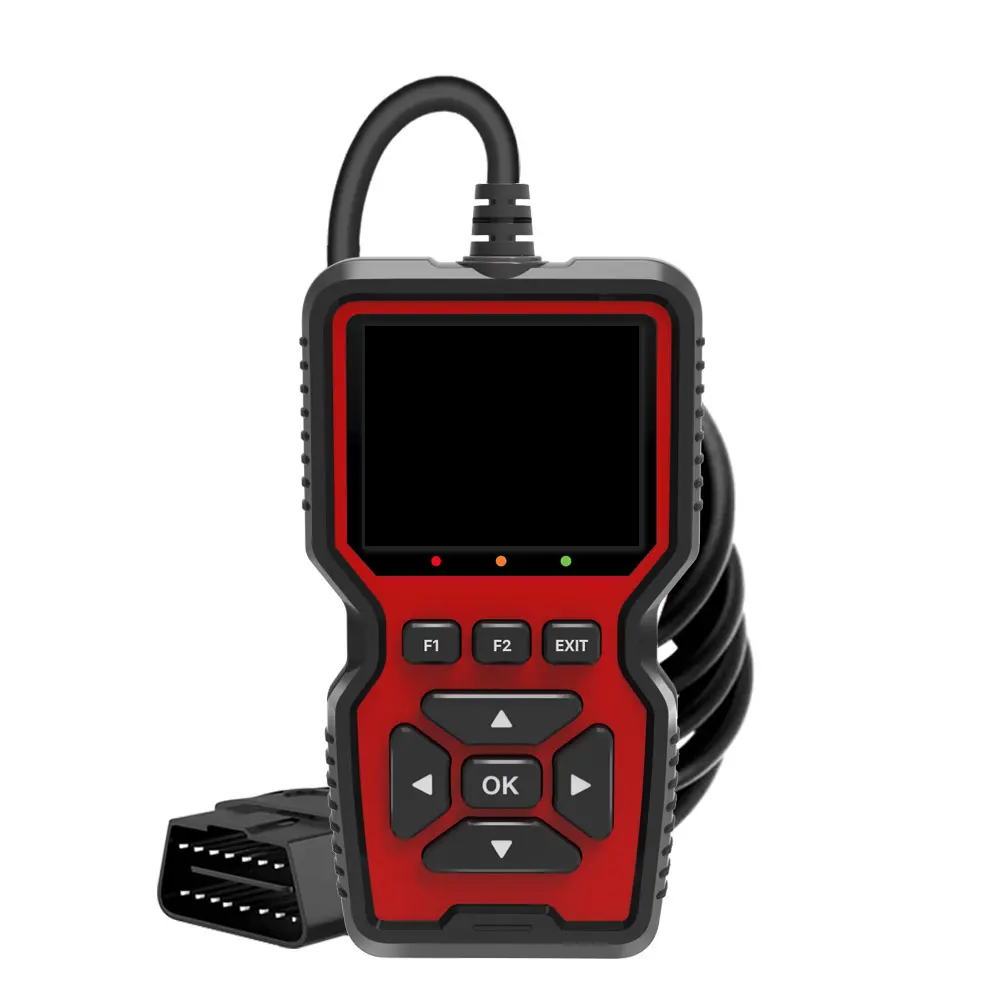
- Connect an advanced OBD-II scanner and retrieve any pending or stored codes. Look for additional misfire codes (P030X) specific to Bank 2 cylinders, which would corroborate the P1294.
- Examine freeze frame data, which captures engine conditions at the time the DTC was set. This can provide valuable clues about RPM, engine load, and temperature.
- Monitor live data. Pay close attention to engine RPM, fuel trims (Short Term Fuel Trim – STFT and Long Term Fuel Trim – LTFT) for both banks. You would likely see significantly positive fuel trims on Bank 2 as the ECM tries to compensate for the missing fuel, and potentially negative trims on Bank 1 if the ECM erroneously enriches the mixture due to global oxygen sensor readings.
- Check for injector pulse width data if available, though an open high side would mean no effective pulse.
- Electrical Testing with a Digital Multimeter (DMM):
- Injector Power Supply Check (High Side):
- With the ignition
ON (engine off), carefully disconnect the electrical connector from each injector on Bank 2. - Using a DMM set to DC volts, place the positive lead into the power supply terminal (12V side, typically the wire that is not common with the ECM ground control) of the injector harness connector and the negative lead to a known good chassis ground.
- You should read approximately 12 volts (battery voltage). If no voltage is present on any Bank 2 injector, trace the power supply wire back to the fuse box and/or relay.
- If voltage is absent only at specific injectors, suspect wiring damage between the main power supply and those injectors.
- With the ignition
- Injector Resistance Check:
- With the ignition
OFF , disconnect the electrical connector from each injector on Bank 2. - Set the DMM to ohms (Ω). Place the probes on the two terminals of the injector itself (not the harness).
- Compare the readings to manufacturer specifications (typically 10-16 ohms for high-impedance injectors). An “OL” (open loop) reading or a significantly high resistance indicates an internal open circuit within the injector, requiring replacement. Ensure all injectors on Bank 2 are within spec.
- With the ignition
- Continuity Check of Power Supply Wiring:
- If the 12V power supply was absent at the injector connectors, locate the relay or fuse that supplies power to the Bank 2 injectors.
- With the battery disconnected, use the DMM in continuity mode (or ohms) to check the integrity of the wire from the fuse/relay output to the injector connectors. Look for an open circuit.
- Injector Power Supply Check (High Side):
- Noid Light Test:
- While P1294 specifically points to a “high side open” (power supply issue), a noid light can confirm if the ECM is attempting to ground the injectors.
- Connect a noid light into the injector harness connector in place of the injector. Crank the engine. If the noid light flashes, the ECM is supplying the ground pulse, indicating the issue is indeed with the power supply or the injector itself. If it doesn’t flash, there might be an ECM driver issue (less likely given the high side open code).
Recommended Repairs and Solutions
The repairs for P1294 directly correspond to the root cause identified during diagnosis. Addressing this code promptly is crucial to prevent further engine damage and restore proper vehicle operation.
- Repair or Replace Damaged Wiring: If the visual inspection or DMM testing reveals an open circuit in the wiring harness supplying 12V to the Bank 2 injectors, the damaged section of wire must be professionally repaired using soldering and heat-shrink tubing, or the entire sub-harness may need replacement. Ensure proper gauge wire is used.
- Replace Blown Fuse: If a blown fuse is found, replace it with a fuse of the exact specified amperage. Investigate why the fuse blew; a shorted injector or wiring could be the underlying cause that needs addressing.
- Replace Faulty Fuel Injector Driver Relay: If the relay responsible for powering the Bank 2 injectors is found to be faulty (e.g., no power output when commanded), replace it with a new OEM-quality relay.
- Replace Faulty Fuel Injector(s) on Bank 2: If an injector on Bank 2 shows an internal open circuit (infinite resistance), it must be replaced. It is often recommended to replace all injectors on the affected bank if the vehicle has high mileage or if multiple injectors show signs of impending failure, to ensure balanced fuel delivery and prevent future issues. Use quality OEM or equivalent aftermarket injectors.
- Clean or Replace Corroded Connectors: If corrosion or poor contact is found at the injector connectors, use specialized electrical contact cleaner and a small brush to clean the terminals. If the corrosion is severe or the connector is damaged, the connector pig-tail should be replaced.
- ECM/PCM Replacement: This is a last resort and should only be considered after all other possibilities have been thoroughly investigated and ruled out. An ECM replacement typically requires programming to the specific vehicle, which must be performed by a qualified technician using specialized tools.
Important Mechanic’s Tips: After any repair, clear the DTCs with your OBD-II scanner and perform a drive cycle to verify the repair. Monitor live data, particularly fuel trims and engine RPM stability, to ensure the issue is fully resolved. It’s always wise to re-check all connections and fuse integrity a second time to prevent overlooked simple issues.