What Does Code P1363 Mean?
DTC P1363 indicates an Ignition Coil “D” Secondary Circuit Malfunction. This code signifies that the Engine Control Module (ECM), also known as the Powertrain Control Module (PCM), has detected an irregularity within the high-voltage side of the ignition coil responsible for cylinder “D”. In most modern vehicles, “D” typically refers to the fourth cylinder in the engine’s firing order, corresponding to a specific Coil-on-Plug (COP) unit or a specific output within a waste-spark ignition coil pack.
The secondary circuit of an ignition coil is responsible for generating the high voltage (typically 15,000 to 40,000 volts) required to create a spark across the spark plug gap. The ECM continuously monitors the primary circuit (low voltage side) current draw and voltage feedback patterns to infer the health and proper operation of the secondary circuit. It expects a distinct inductive kickback voltage and current signature that indicates a successful high-voltage discharge across the spark plug. If the ECM detects an abnormal electrical characteristic in this circuit – such as an open circuit (no current flow), an excessive voltage drop, or an insufficient inductive kickback – it interprets this as a malfunction in the secondary ignition system for cylinder “D” and sets DTC P1363.
This malfunction directly affects the combustion process in the specified cylinder, leading to incomplete or absent ignition, which can result in a misfire. The ECM utilizes data from the crankshaft position sensor (CKP) and camshaft position sensor (CMP) to detect engine speed fluctuations and misfire events. Consistent misfires on cylinder “D” due to a secondary circuit fault will often accompany this code, sometimes triggering P0304 (Cylinder 4 Misfire) alongside P1363.
Common Symptoms
- Engine Misfire: The most prominent symptom, specifically affecting cylinder ‘D’. This can be felt as a distinct stumble, jerk, or vibration.
- Rough Idling: The engine will often idle unevenly or shake noticeably due to the lack of power from one cylinder.
- Reduced Engine Performance: Noticeable loss of power, poor acceleration, and hesitation during driving.
- Check Engine Light (CEL) Illumination: The Malfunction Indicator Lamp (MIL) will illuminate, often flashing if the misfire is severe enough to cause catalytic converter damage.
- Decreased Fuel Economy: Unburnt fuel passing through the exhaust system due to incomplete combustion.
- Strong Fuel Odor: A distinct smell of raw gasoline from the exhaust pipe dueencing to uncombusted fuel.
- Engine Stalling: In severe cases, the engine may stall, particularly at idle or low speeds.
What Causes the Code P1363?
- Faulty Ignition Coil “D”: This is the most common cause. The internal secondary winding can develop an open circuit, short, or breakdown in insulation, preventing proper high-voltage generation.
- Damaged Spark Plug for Cylinder “D”: A worn, fouled, cracked, or improperly gapped spark plug can prevent the coil from discharging correctly, leading the ECM to interpret it as a secondary circuit fault.
- Faulty Spark Plug Wire for Cylinder “D” (if applicable): In systems utilizing spark plug wires (less common with modern COP), an open circuit, high resistance, or insulation breakdown in the wire can cause this code.
- Poor Electrical Connection at Ignition Coil “D”: Corrosion, loose terminals, or damaged wiring within the coil’s electrical connector can interrupt the necessary primary circuit signals, indirectly affecting secondary output, or directly impacting the feedback loop the ECM uses.
- Internal Short or Open Circuit within the Coil Secondary Winding: This is an internal failure of the coil itself, causing it to fail to produce sufficient spark.
- Contamination or Moisture: Water, oil, or debris within the spark plug well or on the coil boot can cause external arcing, diverting spark energy.
- ECM Failure: Although rare, an internal fault within the ECM/PCM that affects its ability to properly control or monitor ignition coil “D” can set this code.
How to Diagnose and Troubleshoot
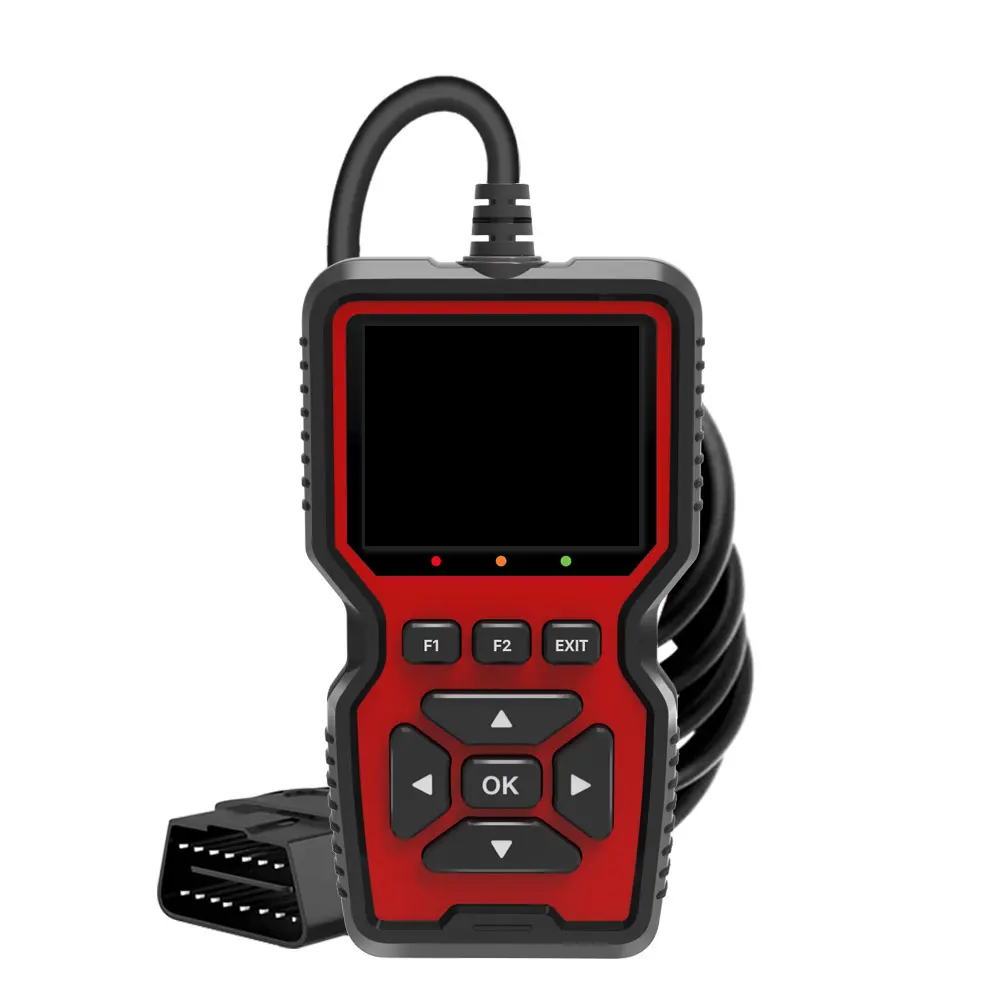
Diagnosing P1363 requires a systematic approach, often utilizing an OBD-II scan tool, a digital multimeter (DMM), and potentially an oscilloscope or spark tester.
- Verify the Code and Gather Data:
- Connect an OBD-II scanner. Confirm P1363 is present. Check for any accompanying misfire codes (e.g., P0304) or other ignition-related DTCs.
- Review freeze frame data associated with P1363 to understand engine conditions (RPM, load, temperature) when the fault occurred.
- Monitor live data for misfire counts on cylinder “D”. A consistent and high count on this cylinder strongly supports the diagnosis.
- Visual Inspection:
- Carefully inspect the ignition coil “D” and its electrical connector. Look for any visible signs of damage, cracks, carbon tracking (indicating arcing), corrosion, or loose connections.
- If applicable, inspect the spark plug wire for cylinder “D” for cuts, burns, or signs of arcing.
- Remove the ignition coil “D” and inspect the spark plug well for any oil, coolant, or debris that could interfere with spark generation.
- Spark Plug Inspection:
- Remove the spark plug from cylinder “D”.
- Inspect its condition: Check for fouling (oil, carbon, fuel), excessive wear, proper gap (compare to specifications), and any cracks in the ceramic insulator. Compare its appearance to spark plugs from other, non-misfiring cylinders.
- Ignition Coil Swap Test:
- This is a quick and effective diagnostic step for COP systems. Swap ignition coil “D” with a known good coil from another cylinder (e.g., cylinder “A”).
- Clear the DTCs and restart the engine. Monitor misfire counts and recheck for codes.
- If the misfire or P1363 follows the swapped coil to the new cylinder (e.g., now P0301 or P1361), then the original ignition coil “D” is faulty.
- If the misfire or P1363 remains on cylinder “D”, the coil is likely good, and the issue lies elsewhere (spark plug, wiring, or ECM).
- Ignition Spark Test:
- Using a dedicated inline spark tester, connect it between the ignition coil “D” and the spark plug.
- Crank or run the engine (if possible) and observe the spark. Compare the intensity and consistency of the spark to other cylinders. A weak, intermittent, or absent spark confirms a secondary circuit issue.
- Resistance Testing of Ignition Coil:
- Using a DMM, measure the resistance of the secondary winding of ignition coil “D” (usually between the high-voltage output terminal and one of the primary terminals or ground, depending on coil design).
- Refer to the vehicle’s service manual for specific resistance specifications. An open circuit (infinite resistance) or significantly out-of-spec reading indicates a faulty coil.
- Note: Some modern coils are difficult to test this way due to integrated igniters, making the swap test more practical.
- Primary Circuit Power and Control Check (Indirect Secondary Test):
- Though P1363 specifically points to the secondary, a lack of primary control will prevent secondary function. With the ignition ON and the coil connector disconnected, use a DMM to verify proper B+ (battery voltage) power and ground at the appropriate pins of the coil connector harness.
- Using a test light or an oscilloscope, check for the control signal from the ECM to the coil “D” while cranking or running the engine. A missing or incorrect pattern signal indicates a wiring or ECM issue.
Recommended Repairs and Solutions
Once the diagnostic steps have pinpointed the root cause, the following repairs are typically recommended:
- Replace Ignition Coil “D”: If the coil swap test, resistance test, or spark test confirms a faulty coil, replace it with a new, high-quality OEM or aftermarket unit. It is often advisable to replace all coils if they are original and have high mileage, as other coils may soon follow suit.
- Replace Spark Plug “D”: If the spark plug is found to be fouled, damaged, or incorrectly gapped, replace it. It’s good practice to inspect and consider replacing all spark plugs if they are due for their service interval, especially if one has failed.
- Replace Spark Plug Wire “D” (if applicable): If the spark plug wire is found to be damaged, has high resistance, or shows signs of arcing, replace it. Consider replacing the entire set if they are old.
- Repair or Replace Wiring Harness/Connector: If corrosion, loose terminals, or damage to the coil’s electrical connector or associated wiring harness are found, repair or replace the affected section. Ensure all connections are clean, tight, and free from moisture.
- Clean Spark Plug Wells: If oil or debris was found in the spark plug well, thoroughly clean it. Address any underlying issues causing contamination (e.g., leaking valve cover gaskets).
- ECM Replacement/Reprogramming: This is a rare occurrence for P1363. Only consider ECM replacement after all other possibilities have been meticulously ruled out and specific diagnostic tests definitively point to an internal ECM failure regarding coil control or monitoring. Ensure any replacement ECM is properly programmed to the vehicle.
Important Mechanics’ Tips:
- Always clear all DTCs after performing repairs and then conduct an extended test drive under various load conditions to ensure the fault does not return.
- When replacing ignition coils, it is often a good time to inspect and potentially replace the spark plugs, as a worn spark plug can overstress and prematurely fail an ignition coil.
- Apply a small amount of dielectric grease inside the coil boot (where it contacts the spark plug) to prevent moisture ingress and enhance electrical connection.
- Always consult the vehicle’s specific service manual for proper torque specifications for spark plugs and coil hold-down bolts.
- Check for any applicable Technical Service Bulletins (TSBs) issued by the manufacturer for your specific vehicle make and model regarding P1363 or related misfire issues.
- Exercise caution when working with ignition systems due to the high voltages involved. Always wear appropriate Personal Protective Equipment (PPE).