What Does Code P1372 Mean?
DTC P1372 indicates an “Ignition Coil – Cylinder 2 – Early Activation Fault.” This means the Engine Control Module (ECM), also known as the Powertrain Control Module (PCM), has detected that the primary circuit of the ignition coil for cylinder #2 was activated earlier than commanded or expected within the engine’s combustion cycle. In a modern ignition system, the ECM controls the primary circuit of each ignition coil, grounding it to build a magnetic field (dwell) and then interrupting that ground to collapse the field, inducing high voltage for the spark plug. The ECM precisely times these activations based on crankshaft and camshaft position sensor inputs. When P1372 sets, the ECM has observed current flow in the primary circuit for cylinder #2 before the programmed ignition event, implying an unintended grounding or short within the coil’s primary circuit or its control wiring. This fault directly impacts the ignition system and the engine’s ability to achieve proper combustion timing for cylinder 2, leading to misfires and potential engine damage if left unaddressed.
Common Symptoms
- Check Engine Light (CEL) Illumination: The primary indicator, often accompanied by other misfire codes (e.g., P0302).
- Engine Misfire: Noticeable stumbling, hesitation, or rough running, especially at idle or under load, due to improper ignition timing on cylinder 2.
- Reduced Engine Performance: Loss of power and poor acceleration.
- Rough Idle: Engine vibrations and instability at idle speeds.
- Decreased Fuel Economy: Inefficient combustion leads to higher fuel consumption.
- Strong Exhaust Odor: Unburnt fuel due to misfiring can result in a rich exhaust smell.
What Causes the Code P1372?
- Faulty Ignition Coil (Cylinder 2): An internal short circuit or a defective integrated igniter/driver within the coil-on-plug (COP) unit for cylinder 2, causing the primary circuit to prematurely draw current.
- Wiring Harness Issues: A short-to-ground in the primary control wire connecting the ECM to the cylinder 2 ignition coil. This can trick the ECM into detecting an early activation.
- Engine Control Module (ECM/PCM) Malfunction: A defective ignition driver circuit within the ECM specifically responsible for controlling cylinder 2’s ignition coil. This is less common but can occur.
- Poor Electrical Connection: Corroded, loose, or damaged connector pins at either the cylinder 2 ignition coil or the ECM, leading to erratic or unintended signals.
How to Diagnose and Troubleshoot
Diagnosis of P1372 requires a methodical approach, often involving a digital multimeter (DMM) and an oscilloscope for precise waveform analysis.
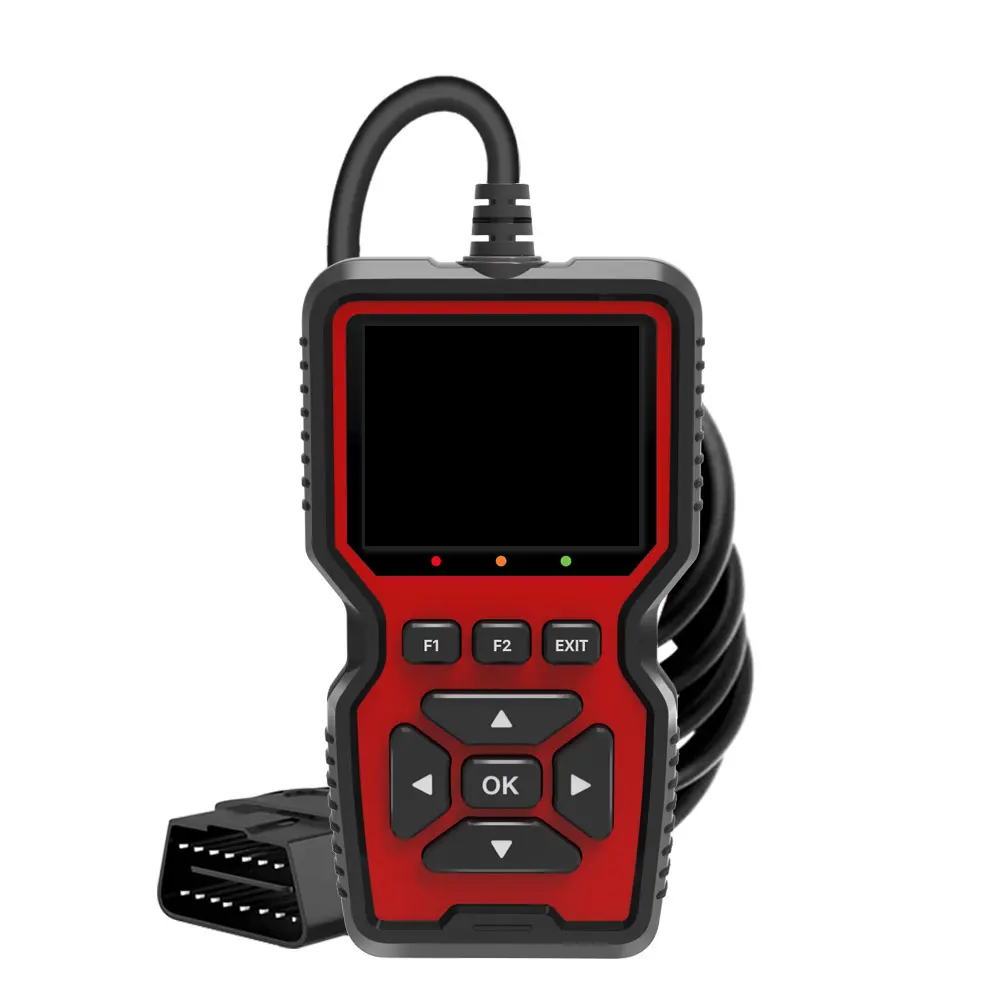
- Retrieve and Analyze DTCs and Freeze Frame Data: Use an OBD-II scanner to confirm P1372. Note any other related codes, especially misfire codes (P030X). Review freeze frame data to understand engine conditions (RPM, load, temperature) when the fault occurred, which can provide valuable context.
- Visual Inspection:
- Inspect the ignition coil for cylinder 2 for any visible signs of damage, cracks, oil leaks, or burn marks.
- Carefully examine the wiring harness leading to the cylinder 2 ignition coil for chafing, bare wires, or signs of rodent damage that could cause a short to ground.
- Check the electrical connector at the coil for corrosion, bent pins, or a loose fit. Do the same for the ECM connector if accessible.
- Ignition Coil Swap Test: If practical, swap the cylinder 2 ignition coil with a known good coil from another cylinder (e.g., cylinder 1). Clear the DTCs and operate the engine. If the P1372 code moves to the new cylinder (e.g., P1371 for cylinder 1), the original cylinder 2 ignition coil is confirmed faulty. If P1372 persists for cylinder 2, the issue lies elsewhere (wiring or ECM).
- Digital Multimeter (DMM) Tests:
- Continuity Test (Ignition Off, Battery Disconnected): Disconnect the ECM connector and the cylinder 2 ignition coil connector. Using a DMM, check for continuity between the primary control wire (ECM to coil) and chassis ground. There should be no continuity (open circuit). If continuity exists, it indicates a short to ground in the wiring harness.
- Resistance Check: If available, compare the primary resistance of the cylinder 2 coil to specifications or another known good coil. However, this may not detect internal driver shorts on smart coils.
- Voltage Drop Test: Check for excessive voltage drop across the ground circuit of the coil to ensure a solid ground connection.
- Oscilloscope (Lab Scope) Analysis: This is the most definitive diagnostic step.
- Connect the oscilloscope probe to the primary control wire for cylinder 2 and another known good cylinder (for comparison).
- Connect a ground lead.
- Crank the engine or let it idle. Observe the primary ignition waveforms.
- A healthy waveform will show a clear dwell period (where the voltage drops to near zero as the ECM grounds the primary circuit) followed by the inductive kick (voltage spike during spark).
- For P1372, you would typically see the primary circuit grounding prematurely, staying grounded for an extended period beyond the commanded dwell, or showing an unscheduled ground pulse for cylinder 2 compared to the good cylinder. This visually confirms the “early activation.”
Recommended Repairs and Solutions
Once the root cause has been accurately identified through thorough diagnosis:
- Replace Faulty Ignition Coil: If the swap test or oscilloscope analysis confirms the cylinder 2 ignition coil is at fault, replace it with a new, high-quality OEM or reputable aftermarket unit. Always ensure the correct part number for the specific vehicle application.
- Repair or Replace Wiring Harness: If a short to ground or damaged wiring is found, meticulously repair the affected section of the harness. Use appropriate wire gauges, soldering techniques, and heat-shrink tubing to ensure a durable and insulated repair. If damage is extensive, consider replacing the entire harness segment.
- ECM Replacement/Reprogramming: If all other components (coil, wiring, connectors) have been rigorously tested and ruled out, and the oscilloscope clearly points to an internal ECM driver failure for cylinder 2, then ECM replacement and subsequent programming/coding may be necessary. This is a costly repair and should only be undertaken after exhausting all other diagnostic possibilities.
- Clean and Secure Connectors: If corrosion or poor connections were identified, clean the connector pins with electrical contact cleaner and ensure they seat firmly. Apply dielectric grease to prevent future corrosion.
- Mechanic’s Tip: After any repair, clear the DTCs and perform a comprehensive test drive under varying engine loads and speeds to confirm the P1372 code does not return. Additionally, consider inspecting the spark plug for cylinder 2 for any signs of fouling or abnormal wear that might have resulted from prolonged misfiring. Ensure proper torquing of the new coil to its mounting points and verify all electrical connections are secure.