What Does Code P1460 Mean?
DTC P1460 signifies a detected electrical circuit malfunction within the Wide Open Throttle (WOT) Air Conditioning (A/C) Cutoff Relay system. Modern Engine Control Modules (ECMs), also referred to as Powertrain Control Modules (PCMs), are programmed to temporarily disengage the A/C compressor clutch when the driver demands maximum engine performance, typically during WOT conditions. This strategy minimizes parasitic drag on the engine, thereby maximizing available horsepower and torque for acceleration. The PCM achieves this by sending a control signal to the WOT A/C cutoff relay, which in turn interrupts the power supply to the A/C compressor clutch. Code P1460 indicates that the PCM has detected an out-of-specification voltage or resistance in the control circuit for this relay, suggesting an open circuit, short circuit, or a faulty relay that is not responding as expected to the PCM’s command signals. This directly impacts the HVAC system’s interaction with the powertrain management system, potentially compromising both engine performance and A/C functionality under specific driving conditions.
Common Symptoms
- Illuminated Malfunction Indicator Lamp (MIL): The primary and most direct symptom will be the activation of the “Check Engine” light on the dashboard.
- Reduced Engine Performance at WOT: If the A/C compressor remains engaged during full throttle acceleration due to a fault in the cutoff circuit, a noticeable reduction in available engine power may occur.
- A/C System Inoperability: In some failure modes, if the relay fails in a ‘stuck open’ position, the A/C compressor may not engage at all, leading to no cold air.
- Intermittent A/C Operation: A marginal relay or circuit issue could lead to inconsistent A/C compressor engagement.
- Increased Fuel Consumption: Although subtle, the continuous operation of the A/C compressor during periods where it should be disengaged can contribute to a marginal increase in fuel consumption.
What Causes the Code P1460?
- Faulty Wide Open Throttle (WOT) A/C Cutoff Relay: The relay itself may have an internal short, open coil, or seized contacts, preventing proper operation.
- Open Circuit in the Relay Control Wire: A break or high resistance in the wiring between the PCM and the relay’s control terminal.
- Short Circuit in the Relay Control Wire: The relay control wire may be shorted to ground or to a voltage source.
- Corroded or Damaged Relay Socket/Connector: Corrosion on the relay terminals or within the connector can impede electrical flow, leading to an open or high-resistance circuit.
- Faulty Powertrain Control Module (PCM/ECM): Although less common, an internal fault within the PCM preventing it from properly commanding the relay or monitoring its circuit can set this code.
- Grounding Issues: A poor ground connection for the relay’s control circuit or the PCM itself can lead to incorrect voltage readings.
How to Diagnose and Troubleshoot
A systematic approach is crucial for diagnosing P1460:
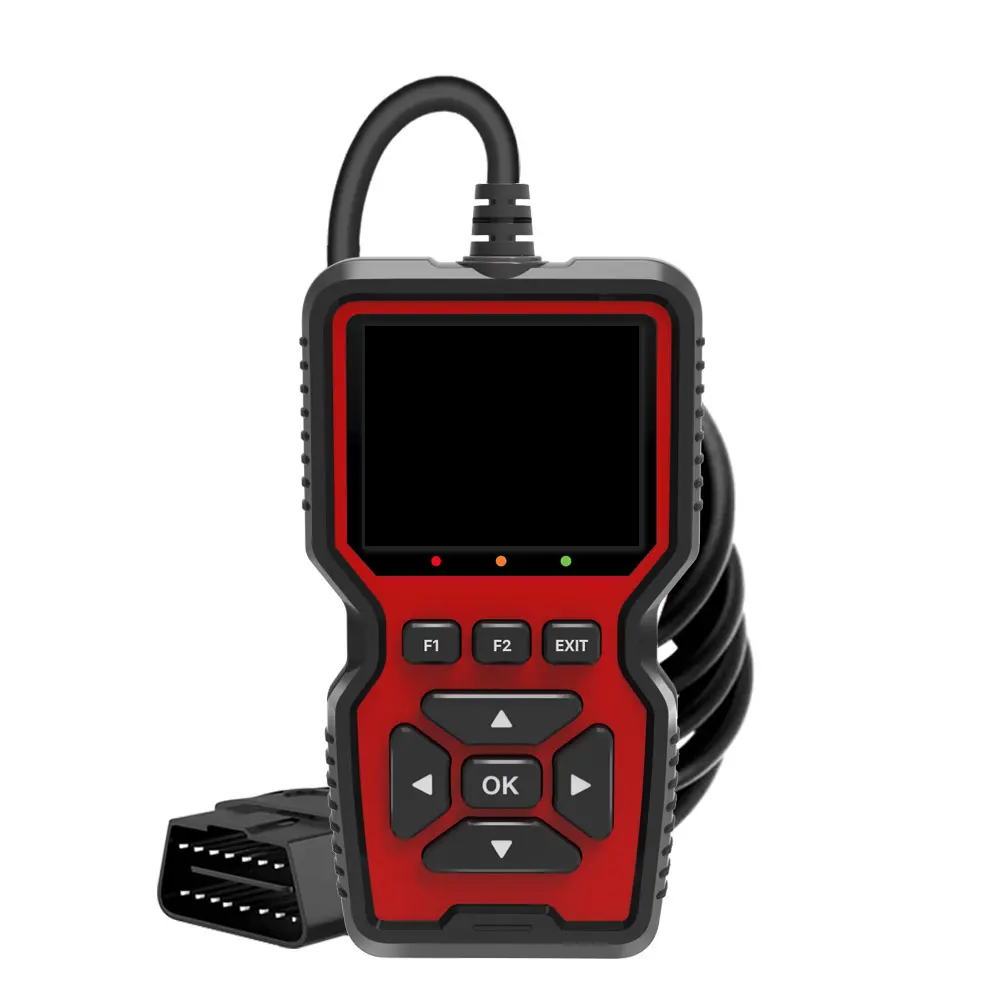
- Retrieve and Analyze DTCs: Use an OBD-II scan tool to confirm P1460 is present. Check for any other related codes (e.g., A/C clutch circuit faults, PCM communication codes) that might indicate a broader electrical issue.
- Visual Inspection:
- Locate the WOT A/C cutoff relay (consult vehicle-specific wiring diagrams or owner’s manual; often found in the under-hood fuse/relay box).
- Inspect the relay and its connector for obvious signs of damage, burning, corrosion, or loose terminals.
- Trace the wiring harness from the relay back towards the PCM and towards the A/C compressor clutch for any signs of chafing, cuts, pinches, or heat damage.
- Relay Circuit Electrical Test (Using a Digital Multimeter – DMM):
- Identify Relay Terminals: Using a wiring diagram, identify the power input (usually fused B+), the control input from the PCM (switched ground or 12V signal), and the output to the A/C clutch.
- Verify Power Supply to Relay: With the ignition ON, remove the relay and test for battery voltage (12V) at the power input terminal of the relay socket. If no voltage, diagnose upstream fuse or wiring.
- Verify Control Signal from PCM:
- If the PCM provides a switched ground: With the A/C commanded ON and engine running (or using bi-directional control on a scan tool to command A/C clutch engagement), check for continuity to ground at the PCM control terminal of the relay socket.
- If the PCM provides a 12V trigger: Monitor voltage at the PCM control terminal. When the PCM commands the relay ON, you should see approximately 12V.
- If the signal is absent or incorrect, back-probe the PCM connector to confirm the signal directly from the PCM. If present at the PCM but not at the relay, the wiring between them is faulty.
- Verify Continuity to A/C Clutch: With the relay removed, use the DMM to check for continuity between the output terminal of the relay socket and the positive terminal of the A/C compressor clutch connector. Resistance should be very low (near 0 ohms). Inspect for opens if resistance is high.
- Check for Short Circuits: Test for shorts to ground or B+ on all relay circuit wires, especially the PCM control wire and the output wire to the clutch, with the relay removed and ignition OFF.
- Relay Bench Test (If Accessible):
- Remove the relay. Measure the resistance across the relay coil terminals. Compare to specifications (typically 60-120 ohms). An open circuit (infinite resistance) or very low resistance indicates a faulty coil.
- Apply 12V and ground to the coil terminals (respecting polarity if specified) and listen for an audible click. With power applied, check for continuity across the switch contacts (usually 30 to 87 for NO contacts). It should show continuity when energized and open when de-energized.
- Scan Tool Data Analysis: Monitor A/C clutch status and WOT switch status (if available) with a capable scan tool. Verify if the PCM is actually commanding the A/C off at WOT.
Recommended Repairs and Solutions
Based on diagnostic findings, the following repairs are typically recommended:
- Replace Faulty WOT A/C Cutoff Relay: If the relay fails bench tests or is determined to be the cause after ruling out wiring, replace it with a new OEM-specification part. Generic relays may not meet the exact electrical specifications or have the same pinout.
- Repair Wiring Harness: If an open circuit, short to ground/power, or excessive resistance is identified in the wiring, repair the affected section of the harness. Use appropriate automotive-grade wire, solder, and heat-shrink tubing for durable repairs. Avoid using crimp connectors where vibration or moisture is a concern.
- Clean Corroded Connectors: If corrosion is found at the relay socket or other connectors in the circuit, thoroughly clean the terminals using electrical contact cleaner and a suitable brush. Apply dielectric grease to prevent future corrosion.
- Address Grounding Issues: Ensure all ground connections related to the A/C system and PCM are clean, tight, and corrosion-free.
- PCM Replacement/Reprogramming (Last Resort): Only consider PCM replacement or re-programming if all other components and wiring have been meticulously tested and confirmed to be in perfect working order, and the PCM is unequivocally determined to be failing to send or interpret signals correctly. This is a rare occurrence for a P1460 code.
- Mechanic’s Tip: Always consult the vehicle’s specific factory service manual for precise wiring diagrams, component locations, and resistance specifications. Before reassembling, perform a final functional test to ensure the A/C clutch disengages at WOT and engages properly otherwise. Clear the DTCs and perform a drive cycle to confirm the repair.