What Does Code P1473 Mean?
DTC P1473 signifies “Fan Secondary High With Fan(s) Off.” This powertrain diagnostic trouble code is set by the Engine Control Module (ECM), also known as the Powertrain Control Module (PCM), when it detects an anomalous condition within the electric cooling fan circuit. Specifically, the ECM monitors the voltage or current within the secondary cooling fan circuit (often corresponding to a high-speed fan operation or a secondary fan in a multi-fan setup). When the ECM commands the cooling fan(s) to be in an “OFF” state, it expects to see no significant voltage or current flow on this secondary high-speed circuit. If the ECM, despite commanding the fan(s) OFF, detects a high voltage or current indicative of the secondary fan circuit being active, it identifies this as an inconsistency and registers the P1473 code. This indicates an unintended activation or a short to voltage on the high-speed fan circuit, even when the vehicle’s cooling strategy does not call for fan operation. The affected subsystem is critical for engine temperature regulation and can impact air conditioning performance.
Common Symptoms
- Malfunction Indicator Light (MIL) illumination: The “Check Engine” light will be activated.
- Engine Overheating: If the underlying electrical fault prevents correct fan operation when needed, the engine temperature may rise excessively.
- Cooling Fan(s) Running Constantly: In some cases, the fan may run continuously, even with the engine off (until battery drain), due to a short or stuck relay.
- No Cooling Fan Operation: Conversely, the circuit fault detected by the ECM could prevent any fan operation, leading to overheating.
- Reduced Air Conditioning Performance: The condenser fan, often integrated with the engine cooling fan system, may not operate correctly, impairing A/C efficiency.
What Causes the Code P1473?
- Faulty Cooling Fan Relay: A common cause is a cooling fan relay that is internally shorted or stuck in the “closed” (on) position, continuously supplying power to the secondary fan circuit despite ECM commands to be off.
- Shorted Wiring: A short circuit to battery voltage (B+) within the secondary cooling fan’s power or control wiring can supply unintended power to the fan.
- Damaged Cooling Fan Control Module: Many modern vehicles utilize a dedicated fan control module. A fault within this module can cause it to erroneously activate the high-speed fan circuit.
- Internal Cooling Fan Motor Fault: An internal short or defect within the cooling fan motor itself could draw current or create a feedback signal that the ECM interprets as “secondary high” operation.
- Corroded Electrical Connectors: Corrosion within the cooling fan circuit connectors can lead to intermittent shorts or incorrect signal feedback to the ECM.
- Faulty Engine Control Module (ECM/PCM): Although less common, an internal ECM fault related to its cooling fan driver circuit or monitoring logic can cause this code.
How to Diagnose and Troubleshoot
A systematic diagnostic approach is crucial for accurately resolving P1473:
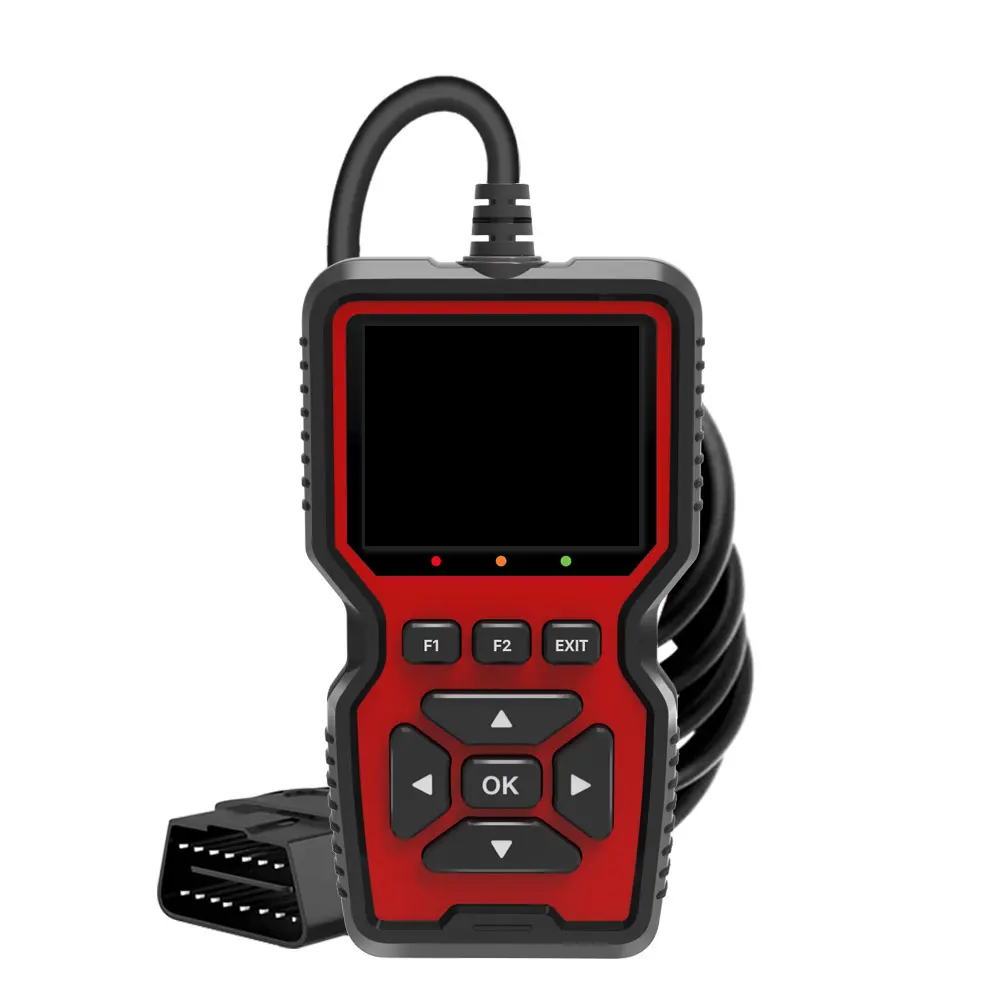
- OBD-II Scan Tool Analysis:
- Connect an OBD-II scan tool and retrieve all stored DTCs and associated freeze frame data. Note the engine temperature, vehicle speed, and any other relevant parameters when the code was set.
- Check for other cooling system-related codes (e.g., P0480, P0481, P0482, P0483), as they may indicate a broader issue.
- Monitor live data parameters for cooling fan status (commanded on/off), engine coolant temperature (ECT), and A/C pressure sensor readings. Observe if the ECM commands the fan “OFF” while voltage is still detected on the secondary fan circuit.
- Perform bi-directional control tests to manually command the cooling fan(s) on and off via the scan tool. Observe if the secondary fan circuit activates when commanded off, and if the fan operates as expected when commanded on.
- Visual Inspection:
- Begin with a thorough visual inspection of all wiring harnesses, connectors, and components related to the cooling fan system. Look for signs of chafing, corrosion, melting, cuts, or loose connections. Pay close attention to areas where wiring passes near hot exhaust components or moving parts.
- Inspect the cooling fan relay and its connector for signs of overheating or damage.
- Examine the cooling fan motor and shroud for any physical damage or obstructions.
- Digital Multimeter (DMM) Testing:
- Battery Voltage Check: Confirm the vehicle’s battery voltage is stable and within specifications (typically 12.6V or higher with the engine off).
- Cooling Fan Relay Test: Locate the primary and secondary cooling fan relays. Using a DMM, test the relay for proper operation. Check the coil resistance for specification. Power the relay coil with an external 12V source and check for continuity across the load contacts. If the relay is found to be stuck closed or shows continuity when not energized, it is faulty. You can also carefully use a fused jumper wire to bypass the relay coil to see if the fan activates, then check for unintended power on the load side of the relay with the ignition off and ECM commanded off.
- Wiring Continuity and Short to Voltage Tests: Disconnect the cooling fan motor and relevant fan control module (if applicable). Using a DMM, check for continuity to ground and continuity to battery voltage on the secondary fan circuit wires. Specifically, with the ignition off and ECM commanded off, there should be no constant voltage present on the secondary fan power supply wire. Test for excessive resistance in the wiring between the relay/control module and the fan motor.
- Fan Motor Test: With the cooling fan motor disconnected from the vehicle’s harness, apply fused battery voltage and ground directly to the fan motor terminals. Verify that the fan operates smoothly and quietly. An internal short in the motor can cause unusual current draw or feedback.
- Fan Control Module Test (if applicable): If the vehicle uses a dedicated fan control module, consult the factory service manual for specific diagnostic procedures. Test input signals (e.g., ECM command signal, ECT sensor signal, A/C pressure signal) and output signals to the fan motor. Look for an unintended voltage output on the secondary fan circuit when the ECM commands off.
Recommended Repairs and Solutions
Based on diagnostic findings, the following repairs are typically recommended:
- Replace Faulty Cooling Fan Relay: If the relay is determined to be stuck or shorted internally, replace it with an OEM-specified or equivalent quality component. This is a very common failure point for this code.
- Repair or Replace Damaged Wiring: Isolate and repair any shorted, chafed, or corroded wiring. Ensure repairs are made using proper soldering techniques, heat shrink tubing, or OEM-style electrical connectors to prevent future issues. Replace sections of harness if damage is extensive.
- Replace Cooling Fan Control Module: If the dedicated fan control module fails its diagnostic tests, replacement is necessary. These are often non-serviceable internal units.
- Replace Cooling Fan Motor: If the cooling fan motor itself is found to have an internal short, excessive resistance, or draws abnormal current, the entire fan motor assembly should be replaced.
- ECM/PCM Replacement: This should only be considered as a last resort, after all other components and wiring have been thoroughly tested and ruled out, and with definitive evidence of an internal ECM fault. Proper programming and VIN coding will be required after replacement.
Important Mechanics’ Tips:
- Always disconnect the battery negative terminal before performing any work on electrical systems, especially high-current circuits like the cooling fan.
- Refer to the vehicle-specific factory service manual for accurate wiring diagrams, component locations, and pinout specifications, as configurations can vary significantly between makes and models.
- After any repair, clear the DTCs using a scan tool. Perform an extended road test under varying conditions (including idling with A/C on, highway speeds) to confirm the code does not return and the cooling system operates correctly across its full range.
- Verify proper fan operation at different engine temperatures and with the air conditioning system engaged, as these are primary triggers for fan activation.