What Does Code P1485 Mean?
DTC P1485 indicates an electrical circuit malfunction within the Exhaust Gas Recirculation (EGR) system, specifically referencing the EGR Valve (EGRV) circuit. This code is triggered when the Engine Control Module (ECM) or Powertrain Control Module (PCM) detects an electrical anomaly within the control circuit that operates the EGR valve. The EGR system’s primary function is to reintroduce a controlled amount of exhaust gases into the engine’s intake manifold, lowering combustion temperatures and thereby reducing the formation of nitrogen oxides (NOx) emissions. The ECM continuously monitors the voltage, current, or resistance within the EGR valve’s solenoid or stepper motor control circuit. If the ECM perceives that these electrical parameters fall outside of predetermined factory specifications (e.g., an open circuit, short to ground, short to voltage, or excessively high/low resistance), it interprets this as a circuit malfunction and sets code P1485, illuminating the Malfunction Indicator Lamp (MIL). This code specifically points to an electrical integrity issue, rather than a mechanical flow or performance problem, though such electrical issues can certainly lead to mechanical performance problems.
Common Symptoms
- Check Engine Light Illumination: The Malfunction Indicator Lamp (MIL) will be illuminated on the dashboard.
- Rough Idling or Stalling: If the EGR valve is stuck open due to the circuit malfunction, it can introduce too much exhaust gas at idle, leading to a rough idle or engine stalling.
- Reduced Engine Performance: A malfunctioning EGR valve, whether stuck open or closed, can adversely affect engine performance, leading to a noticeable lack of power or hesitation during acceleration.
- Engine Knocking or Pinging: If the EGR valve is stuck closed due to the circuit fault, it may not allow exhaust gases into the combustion chamber. This can lead to higher combustion temperatures and an increased propensity for engine knocking or pinging, especially under load.
- Increased Fuel Consumption: While less common, an improperly functioning EGR system can sometimes lead to slightly decreased fuel efficiency.
- Failed Emissions Test: An inoperative EGR system will result in higher NOx emissions, almost certainly causing a failure in an emissions inspection.
What Causes the Code P1485?
- Faulty EGR Valve: The most common cause is an internal electrical failure within the EGR valve itself, such as a burnt-out solenoid winding, a seized stepper motor, or a damaged internal position sensor circuit (if equipped).
- Wiring Harness Damage: Open circuits (broken wires), short circuits (to ground or power), or excessively high resistance in the wiring harness connecting the ECM to the EGR valve. This can be due to chafing, corrosion, or physical damage.
- Corroded or Loose Electrical Connector: Poor connection at the EGR valve’s electrical connector due to corrosion, bent pins, or inadequate seating. Similar issues at the ECM connector can also be a factor.
- Blown Fuse: While less common for the control circuit itself, a fuse protecting the EGR valve’s power supply (if separately fused) could be blown.
- Faulty Engine Control Module (ECM/PCM): Although rare, an internal defect within the ECM’s driver circuit for the EGR valve can cause this code. This should only be considered after all other possibilities have been thoroughly ruled out.
How to Diagnose and Troubleshoot
A systematic approach is crucial for diagnosing P1485:
- Visual Inspection: Begin by visually inspecting the EGR valve, its electrical connector, and the associated wiring harness for any obvious signs of damage, such as frayed wires, corrosion, loose connections, or melted insulation. Check for bent or corroded pins within the EGR valve connector.
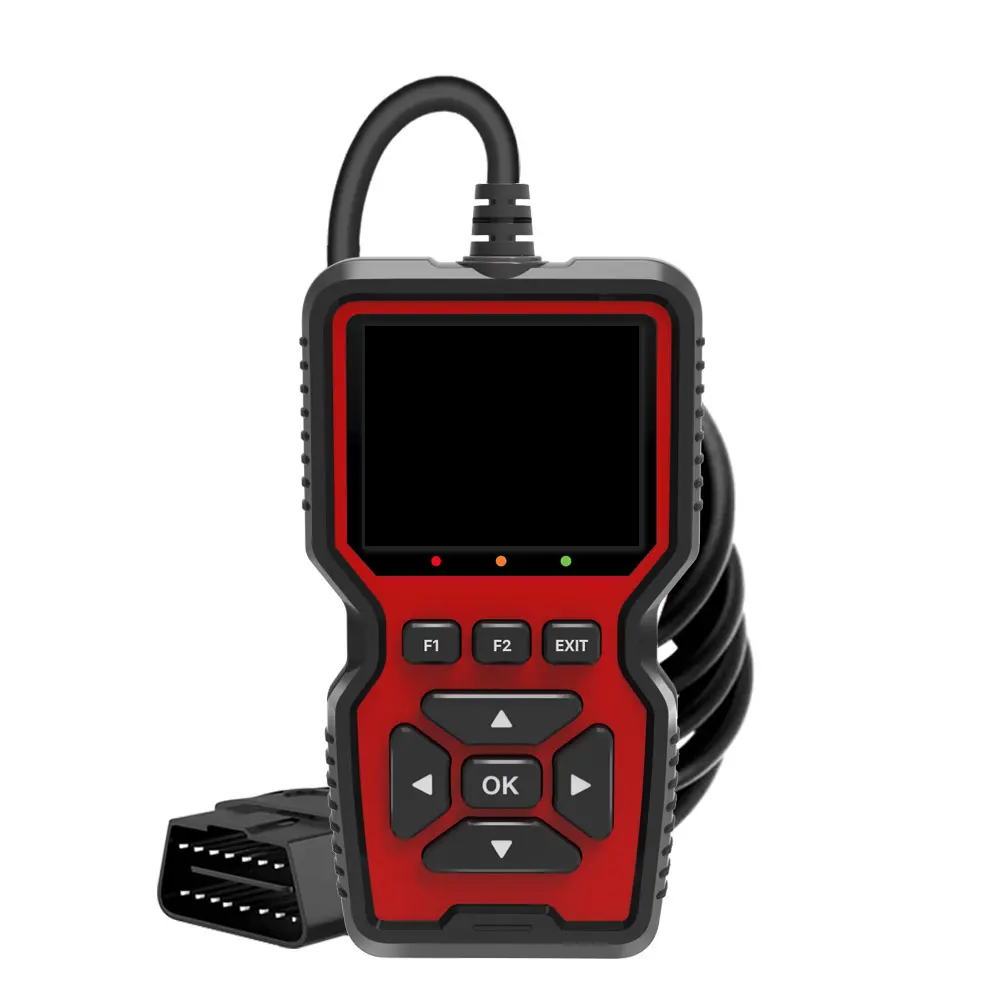
- Scan Tool Data: Connect an OBD-II scan tool and verify that P1485 is the primary code. Check for any other related codes that might point to a broader electrical issue. Review freeze frame data to understand engine conditions (RPM, engine load, temperature, etc.) when the code was set. If available, use the scan tool’s bi-directional control feature to command the EGR valve open and closed. Listen for an audible click or observe for movement (if visible) to assess basic functionality.
- Electrical System Tests (Using a Digital Multimeter – DMM):
- EGR Valve Resistance Test: With the ignition OFF and the EGR valve electrical connector disconnected, measure the resistance across the EGR valve’s solenoid terminals (consult vehicle-specific service information for the correct terminals and resistance specifications). An ‘OL’ (open loop) reading indicates an open circuit, while a very low resistance (near zero ohms) indicates a short circuit within the valve, both pointing to an internal fault.
- Power and Ground Checks: Reconnect the battery. With the ignition ON (engine OFF), check for proper voltage supply at the EGR valve connector. Many EGR valves receive a constant 12V supply and are ground-controlled by the ECM. Use the DMM to verify battery voltage on the supply wire. Then, check for a proper ground path.
- Control Signal Check: If the EGR valve is controlled by a pulsed-width modulated (PWM) signal, it can be difficult to accurately measure with a standard DMM. An oscilloscope is ideal for viewing the PWM signal. However, for simpler on/off control signals, check for varying voltage or duty cycle changes on the control wire(s) while commanding the valve with the scan tool.
- Wiring Harness Continuity and Short Tests: Disconnect both the EGR valve connector and the ECM connector (refer to service manual for pinouts). Use the DMM to check for continuity on each wire between the EGR valve connector and the ECM connector. Any reading of ‘OL’ indicates an open circuit. Then, check each wire for shorts to ground (by touching one DMM lead to the wire and the other to a known good chassis ground) and shorts to power (if present in the harness, though typically checked with battery disconnected).
- Component Testing with Vacuum Pump (if vacuum-operated EGR with electronic transducer): If the vehicle uses a vacuum-operated EGR valve controlled by an electronic vacuum transducer, test the transducer’s electrical circuit and then its ability to apply vacuum to the EGR valve when commanded.
Recommended Repairs and Solutions
Based on diagnostic findings, the following repairs are commonly performed:
- Repair or Replace Wiring/Connector: If the diagnosis points to damaged wiring (open, shorted, or high resistance) or a faulty connector, the affected section of the harness should be repaired using proper automotive wiring techniques (e.g., solder and heat shrink, or OEM-style crimp connectors) or the connector replaced. Ensure connections are clean, secure, and free of corrosion.
- Replace EGR Valve: If the internal electrical components of the EGR valve (solenoid, motor, or sensor) are found to be defective through resistance checks or inability to respond to command signals, the EGR valve itself must be replaced. Always use a high-quality, OEM-spec replacement part to ensure proper function and longevity.
- Clean EGR Passages: While replacing the EGR valve, it is often good practice to inspect and clean any carbon deposits from the EGR passages in the intake manifold and cylinder head. Though not directly related to a P1485 electrical circuit issue, severe carbon buildup can lead to future EGR flow-related codes (e.g., P0401) and impair the performance of a newly installed valve.
- ECM/PCM Replacement: This is a last resort. Only replace the ECM if all other components (EGR valve, wiring, connectors) have been thoroughly tested and confirmed to be in perfect working order. ECM replacement typically requires specialized programming and calibration for the specific vehicle.
- Clear Codes and Test Drive: After performing any repair, clear the DTCs using an OBD-II scanner. Then, perform a comprehensive test drive under varying engine loads and speeds to confirm the repair and ensure the P1485 code (and any related codes) does not return. Monitor live data during the test drive to verify correct EGR system operation.