What Does Code P1508 Mean?
The diagnostic trouble code P1508 signifies that the Engine Control Module (ECM) or Powertrain Control Module (PCM) has detected an “open circuit” within the electrical control pathway of the Idle Control System. This code specifically points to an issue where the ECM is unable to establish proper electrical communication or control with the component responsible for regulating engine idle speed, typically the Idle Air Control (IAC) valve or motor. The IAC system’s primary function is to bypass a controlled amount of air around the closed throttle plate, allowing the ECM to precisely adjust engine idle speed based on various parameters such as engine temperature, electrical load, and air conditioning compressor operation. An “open circuit” implies a complete break in the electrical continuity, meaning there is no current flow. This could be due to a severed wire, a faulty connection terminal, or an internal electrical failure within the IAC valve itself, preventing the ECM from sending or receiving the necessary feedback or command signals to maintain the target idle RPM.
Common Symptoms
- Erratic or fluctuating idle speed: The engine idle may be unstable, oscillating between high and low RPMs.
- Engine stalling, especially at stops: Without proper idle control, the engine may die when the driver lifts off the accelerator or comes to a stop.
- High or low idle speed: The engine may consistently idle significantly higher or lower than its specified RPM range.
- Difficulty starting the engine: In some cases, an uncontrolled idle system can make starting the vehicle challenging.
- Illuminated Check Engine Light (CEL): The Malfunction Indicator Lamp (MIL) will be activated on the dashboard.
What Causes the Code P1508?
- Damaged or open wiring harness: Frayed, chafed, cut, or corroded wires in the IAC circuit, often due to vibration, heat exposure, or rodent damage.
- Corroded or loose electrical connector terminals: Poor contact at the IAC valve connector or the ECM connector, leading to high resistance or an intermittent open circuit.
- Faulty Idle Air Control (IAC) valve/motor: An internal electrical failure within the IAC valve itself, such as an open circuit in its coil windings, preventing it from responding to ECM commands.
- Less commonly, an internal ECM fault: While rare, a damaged driver circuit within the ECM responsible for controlling the IAC valve could trigger this code if all external wiring and the IAC valve test good.
How to Diagnose and Troubleshoot
A systematic approach is crucial for accurately diagnosing P1508:
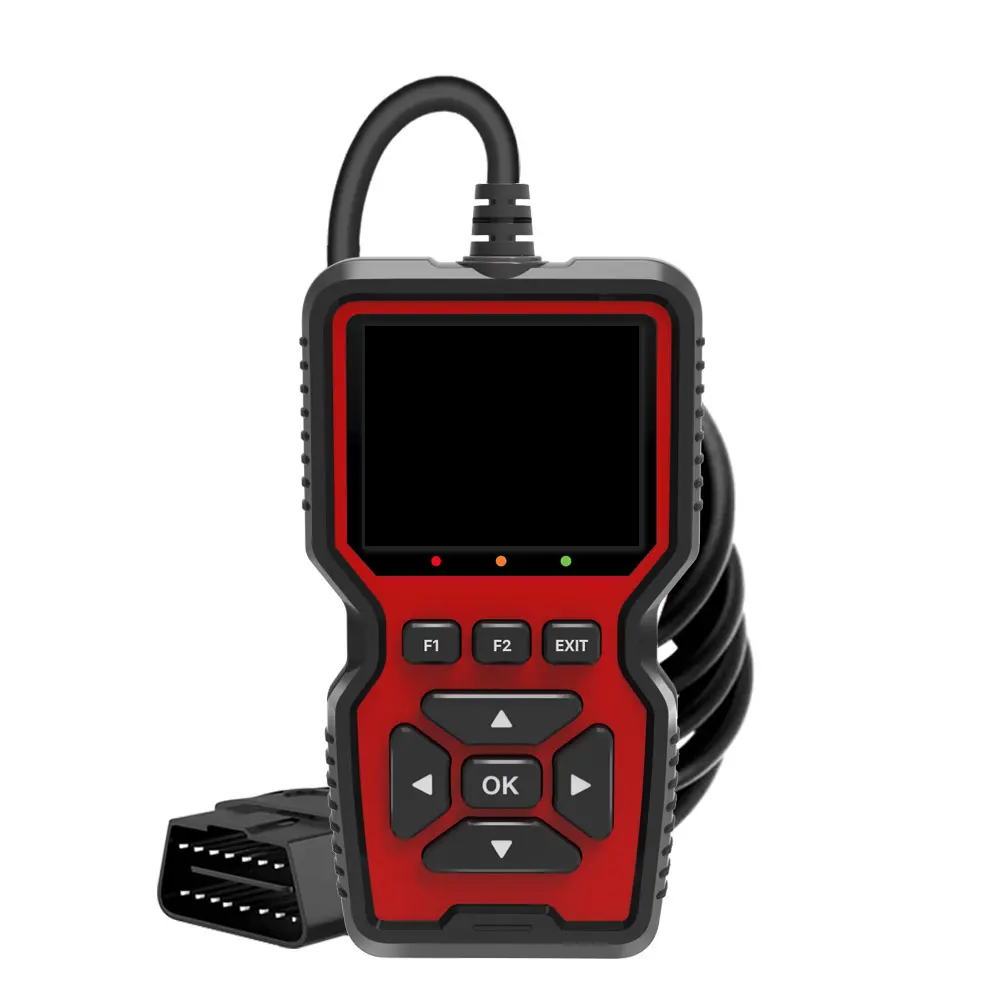
- Retrieve Diagnostic Data: Connect an OBD-II scanner to the vehicle’s Data Link Connector (DLC). Read all active and pending Diagnostic Trouble Codes (DTCs), specifically noting P1508. Crucially, examine the freeze frame data associated with P1508. This data provides a snapshot of engine operating conditions (RPM, engine load, coolant temperature, vehicle speed, etc.) at the moment the code was set, which can offer valuable context.
- Visual Inspection: Disconnect the vehicle’s battery. Visually inspect the Idle Air Control (IAC) valve/motor, its electrical connector, and the associated wiring harness. Look for any signs of physical damage, such as chafing, cuts, excessive corrosion on terminals, or loose connections. Follow the harness back as far as possible towards the ECM, checking for any compromised sections.
- IAC Valve Resistance Test: Disconnect the electrical connector from the IAC valve. Using a Digital Multimeter (DMM) set to the ohms (Ω) scale, measure the resistance across the IAC valve’s coil terminals. Consult the vehicle’s specific service manual for the manufacturer’s specified resistance range (this varies significantly between stepper motors and solenoid-type IACs, but typically falls between 10-50 ohms for stepper motor coils). An “open circuit” will typically display as an infinite resistance (indicated by “OL” or “1” on most DMMs), confirming an internal break in the IAC valve’s windings.
- Power and Ground Circuit Verification: Reconnect the battery. With the ignition in the “ON” position (engine off), use the DMM set to DC volts to verify proper power supply and ground at the IAC connector. The specific pin-out and expected voltages vary by vehicle, so refer to the service manual. An absence of the expected 12V power supply or a good ground connection indicates a wiring issue in the power or ground circuit leading to the IAC. Some IACs are pulse-width modulated (PWM) and require a scope to see the signal effectively, but basic power/ground should be present.
- Wiring Harness Continuity Test: Disconnect both the IAC valve connector and the ECM connector (ensure the battery is disconnected first for safety). Using the DMM set to ohms, perform a continuity test between the corresponding IAC control terminals at the IAC connector and the ECM connector. An infinite resistance (OL) reading indicates an open circuit within the wiring harness itself. Also, check for any short-to-ground by testing continuity between each IAC wire and a known good chassis ground, and for short-to-power (with battery disconnected) if applicable.
Recommended Repairs and Solutions
Based on the diagnostic findings, the following repairs are typically recommended:
- Replace the Idle Air Control (IAC) Valve/Motor: If the resistance test of the IAC valve’s coils indicates an open circuit or if the valve is visibly damaged, replacement is necessary. Always use an OEM-quality replacement part to ensure proper function and longevity.
- Repair or Replace Wiring Harness/Connector: If diagnosis reveals an open circuit in the wiring harness or damaged/corroded connector terminals, the affected section of the wiring or the connector itself must be repaired or replaced. Utilize proper automotive wiring repair techniques, including soldering and heat-shrink tubing for durable connections, or use OEM-approved connector repair kits.
- ECM Replacement (Rare): If all external wiring and the IAC valve test conclusively good, and no other related codes are present, a faulty ECM driver for the IAC circuit might be suspected. This is a rare occurrence and should only be considered after thoroughly ruling out all other possibilities. ECM replacement often requires reprogramming and is best performed by a qualified dealership or specialty shop.
Mechanic’s Tips:
- After any repair, always clear the DTCs using an OBD-II scanner.
- Perform an Idle Re-learn Procedure. Many vehicles require this procedure after an IAC valve replacement, battery disconnection, or ECM work to allow the ECM to re-adapt to the new component and establish proper idle parameters. The specific procedure varies by manufacturer, so consult the vehicle’s service manual. Typically, it involves turning the ignition on for a set period, starting the engine without touching the accelerator, and allowing it to idle for a specified duration, sometimes followed by a drive cycle.
- Always verify the repair by test driving the vehicle under various conditions to confirm stable idle and ensure the P1508 code does not return or become a pending code.