What Does Code P1550 Mean?
The OBD-II diagnostic trouble code P1550 indicates a malfunction within the Power Steering Pressure Sensor (PSPS) circuit, specifically that the sensor’s output signal is “Out Of Self Test Range.” The Engine Control Module (ECM) or Powertrain Control Module (PCM) continuously monitors various sensor inputs to ensure proper engine and transmission operation. The PSPS provides the ECM/PCM with information regarding the hydraulic pressure within the power steering system. This input is critical for the ECM/PCM to appropriately adjust engine idle speed, particularly when the power steering pump is under significant load (e.g., during low-speed maneuvers or when the steering wheel is turned sharply at a standstill), thereby preventing engine stalling.
During specific diagnostic routines, such as a Key On Engine Off (KOEO) self-test, Key On Engine Running (KOER) self-test, or even during a standard ignition cycle, the ECM/PCM performs a rationality check on the PSPS signal. Code P1550 is set when the voltage signal or the interpreted pressure value from the PSPS falls outside of a predefined, acceptable range for the current test conditions. For example, if the engine is off and the power steering system is at rest, the sensor should report a baseline pressure or voltage. If the sensor’s output is excessively high or low, or completely absent, during this self-test period, the ECM/PCM registers an electrical or sensor integrity fault, not necessarily an actual hydraulic pressure issue.
Common Symptoms
- Illuminated Malfunction Indicator Lamp (MIL): The “Check Engine” light will be illuminated on the dashboard.
- Erratic or Unstable Idle Speed: The engine RPM may fluctuate, especially when the steering wheel is turned at low speeds or while stationary.
- Engine Stalling: The engine may occasionally stall when coming to a stop or during low-speed maneuvers, as the ECM/PCM fails to compensate for power steering pump load.
- Reduced Power Steering Assist: While less common for a P1550 electrical fault, some systems may enter a fail-safe mode, potentially impacting steering feel.
- Poor Fuel Economy: An engine struggling with idle stability due to incorrect PSPS input can inadvertently increase fuel consumption.
What Causes the Code P1550?
- Faulty Power Steering Pressure Sensor (PSPS): The sensor itself may have an internal electrical malfunction, such as an open circuit, short circuit, or a complete failure to output a rational signal.
- Damaged Wiring Harness: An open circuit, short to ground, or short to voltage in the wiring between the PSPS and the ECM/PCM can cause an incorrect signal.
- Corroded or Loose Electrical Connector: Poor connection at the PSPS or ECM/PCM due to corrosion, dirt, or a loose terminal can interrupt the signal.
- ECM/PCM Malfunction: While less common, an internal fault within the ECM/PCM could misinterpret the PSPS signal or fail to provide the correct reference voltage or ground.
- Incorrectly Calibrated or Incompatible Sensor: If a replacement sensor was installed that is not specified for the vehicle, it might provide readings outside the acceptable range.
How to Diagnose and Troubleshoot
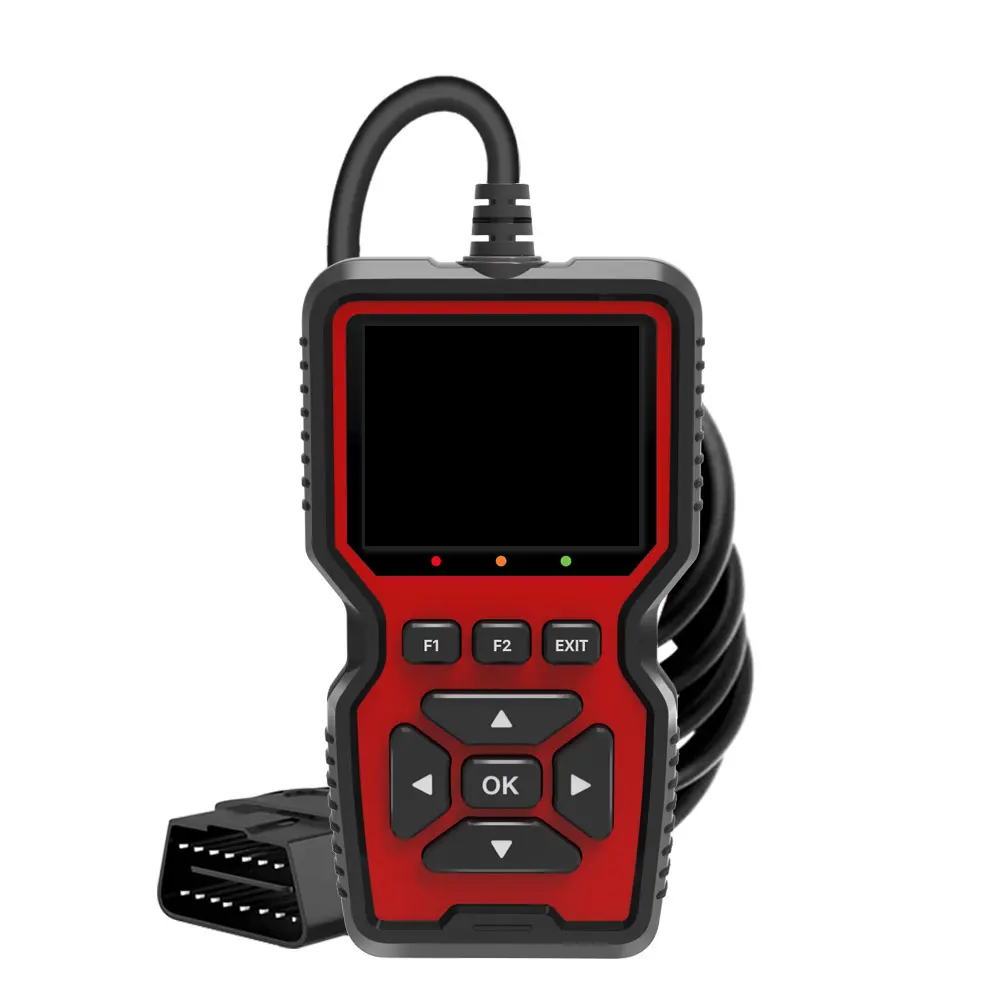
Diagnosing P1550 requires a systematic approach, often involving a digital multimeter (DMM) and an OBD-II scan tool capable of reading live data.
- Verify Code and Inspect:
- Connect an OBD-II scan tool and confirm P1550 is the only active code. Check for any related power steering or sensor codes. Record freeze frame data.
- Perform a thorough visual inspection of the PSPS, its electrical connector, and the entire wiring harness leading to the ECM/PCM. Look for signs of chafing, cuts, bare wires, corrosion, or fluid contamination (power steering fluid or oil).
- Inspect the PSPS for physical damage or signs of fluid leaks.
- Electrical Circuit Test (Key On Engine Off – KOEO):
- Disconnect the PSPS electrical connector.
- Using a DMM, check for the specified reference voltage (typically 5V, sometimes 12V) on one of the connector terminals from the ECM/PCM. Compare to manufacturer specifications.
- Check for a good ground connection on the ground pin of the connector, using the DMM in resistance mode or by checking voltage drop.
- Check the signal wire for a short to ground or short to voltage. This can be done by probing the signal wire with the DMM and checking for continuity to ground or for any voltage present when it shouldn’t be.
- If reference voltage or ground is absent or incorrect, trace the wiring back to the ECM/PCM, checking for opens or shorts.
- PSPS Signal Voltage Test (KOEO/KOER with Sensor Connected):
- Backprobe the PSPS signal wire at the connector with the sensor connected and the ignition on (KOEO). Compare the voltage reading to the manufacturer’s specified baseline voltage for a static, engine-off condition (e.g., 0.5V to 1.5V). An “out of self test range” often means this baseline is significantly off.
- Start the engine (KOER). Monitor the PSPS live data parameter on the scan tool (if available as voltage or pressure). Alternatively, backprobe the signal wire with the DMM.
- Slowly turn the steering wheel from lock-to-lock. Observe the PSPS voltage or pressure reading. It should smoothly increase as pressure builds (turning the wheel) and decrease as pressure is relieved. An erratic, flat-lined, or stuck-high/low reading indicates a faulty sensor or a persistent wiring issue.
- Resistance Test (PSPS Disconnected, if Applicable):
- If specified by the manufacturer, measure the internal resistance of the PSPS itself using a DMM with the sensor disconnected. Compare the reading to factory specifications. This can directly identify an internal sensor failure.
Recommended Repairs and Solutions
Once the diagnostic steps have pinpointed the root cause, the following repairs are commonly indicated:
- Replace the Power Steering Pressure Sensor (PSPS): This is the most common solution if the sensor fails the electrical tests or provides irrational readings via live data. Ensure the replacement sensor is an OEM equivalent or meets strict manufacturer specifications.
- Repair or Replace Wiring/Connector: If the diagnostic process reveals an open circuit, short, or corroded/damaged connector, repair the specific section of the wiring harness or replace the connector pigtail. Always use appropriate crimp connectors and heat shrink for durable repairs.
- Address ECM/PCM Malfunction: In rare cases where all sensor and wiring tests pass, but the code persists, the ECM/PCM may be at fault. This usually requires advanced diagnostics and potentially replacement and reprogramming by a qualified technician.
Mechanic’s Tips:
- After any repair, clear the DTCs and perform a test drive, including maneuvers that would typically engage the power steering system, to confirm the repair and ensure the code does not return.
- Always verify that the power steering fluid level is correct and that the fluid is clean. While not a direct cause of “out of self-test range” (which points to an electrical fault), low or contaminated fluid can lead to pump strain and other power steering system issues.
- When replacing the PSPS, be mindful of any power steering fluid leakage. Be prepared with a drain pan and ensure proper torque specifications are used for the new sensor to prevent leaks.
- For vehicles with integrated power steering pump units, ensure any self-calibration or relearning procedures are followed after component replacement, if specified by the manufacturer.