What Does Code P1565 Mean?
DTC P1565, or “Speed Control Command Switch Out of Range High,” indicates that the Powertrain Control Module (PCM) or Engine Control Module (ECM) has detected an anomalous electrical signal from the vehicle’s cruise control command switch circuit. The cruise control system typically operates by sending varying voltage signals to the PCM, each corresponding to a specific command such as ON, OFF, SET/ACCEL, RES/DECEL, or COAST. The PCM monitors these signals and expects them to fall within predefined voltage ranges or discrete voltage levels for each function. When the PCM detects a voltage on the cruise control switch input circuit that is consistently higher than the maximum expected threshold for any valid switch state, or an illogical high voltage that does not correspond to any known command, it sets this diagnostic trouble code. This usually suggests a short to voltage within the cruise control switch circuit, leading the PCM to interpret an erroneous, continuously high input. The primary subsystem affected is the vehicle’s cruise control system, specifically its ability to receive and interpret driver commands.
Common Symptoms
- Inoperative Cruise Control System: The most common symptom is a complete failure of the cruise control system to engage or function.
- Intermittent Cruise Control Operation: The system may occasionally engage or disengage unexpectedly, although this is less common with an “out of range high” condition which often disables the system entirely.
- Illuminated Malfunction Indicator Lamp (MIL): The Check Engine Light will be illuminated on the dashboard.
- No Cruise Light on Dash: The indicator light for the cruise control system (if equipped) may not illuminate when attempting to activate the system.
What Causes the Code P1565?
- Faulty Cruise Control Command Switch Assembly: An internal electrical short circuit, excessive resistance, or a stuck switch contact within the steering wheel-mounted or stalk-mounted cruise control switch module can cause an erroneous high voltage signal.
- Wiring Harness Short to Voltage: The signal wire connecting the cruise control switch to the PCM may be chafed or damaged, causing it to short circuit to a higher voltage source (e.g., 12V power supply) within the vehicle’s wiring harness.
- Corrosion or Contamination: Moisture, dirt, or other contaminants entering the cruise control switch assembly or its electrical connectors can lead to shorts or abnormal resistance values, resulting in an out-of-range high signal.
- Faulty Clock Spring (Steering Wheel Mounted Switches): If the cruise control switches are located on the steering wheel, a damaged or worn clock spring can cause intermittent or continuous short circuits within the signal wires as the steering wheel is turned.
- PCM Failure: While rare, an internal fault within the PCM’s input circuit responsible for monitoring the cruise control switch signals could lead to misinterpretation of voltage levels.
How to Diagnose and Troubleshoot
A systematic approach is essential for diagnosing P1565:
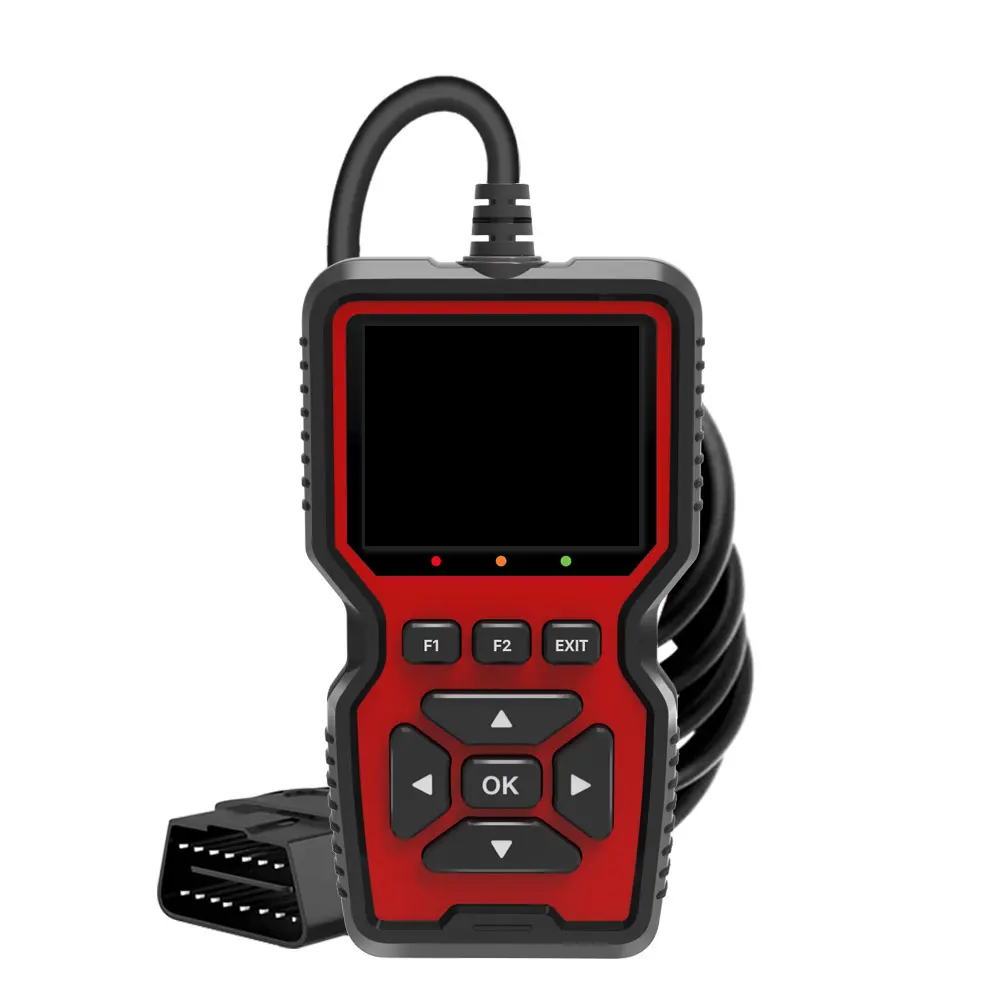
- OBD-II Scan and Data Analysis: Connect a diagnostic scanner to the vehicle’s OBD-II port. Confirm the presence of P1565 and check for any related or accompanying cruise control system codes. Utilize the scanner’s live data stream function to monitor the cruise control switch input status to the PCM. Observe if any switch inputs show an “active” or “high” state without being pressed or if the voltage remains outside the normal range.
- Visual Inspection:
- Inspect the cruise control switch assembly (on the steering wheel or stalk) for any signs of physical damage, sticking buttons, foreign objects, or excessive wear.
- Carefully inspect the wiring harness running from the cruise control switch to the PCM. Pay close attention to areas where the harness passes through the firewall, near the steering column, or through any pinch points where wires could be chafed, cut, or exposed, leading to a short to voltage.
- Examine electrical connectors at the cruise control switch, clock spring (if applicable), and PCM for signs of corrosion, bent pins, or loose connections.
- Electrical Testing with a Digital Multimeter (DMM):
- Voltage Measurement: Disconnect the cruise control switch connector. With the ignition ON, use a DMM to measure the voltage on the signal wire(s) leading towards the PCM. A properly operating circuit should typically show near 0V or a very low reference voltage when the switch is disconnected. If a high voltage (e.g., battery voltage) is present, meticulously trace the wiring harness for a short to voltage.
- Resistance Check of Switch: Disconnect the cruise control switch from the vehicle’s harness. Using the DMM in resistance (ohm) mode, test the resistance across the switch terminals in various positions (OFF, ON, SET/ACCEL, RES/DECEL, COAST). Compare these readings against the vehicle’s specific service manual specifications. An internal short within the switch could manifest as unexpected continuity or a resistance value significantly lower than expected for an open circuit, or an incorrect value for a specific command.
- Circuit Continuity and Short Checks: With the PCM and the cruise control switch disconnected, use the DMM to check the continuity of the signal wire(s) from the cruise control switch connector to the PCM connector. Simultaneously, check for shorts to ground and shorts to voltage on these wires by testing continuity between the signal wire and a known good ground, and between the signal wire and a known 12V source (with the battery disconnected for the latter, to avoid damage).
- Consult Wiring Diagrams: Always refer to the specific vehicle’s factory service manual for detailed wiring diagrams of the cruise control system. This will accurately identify wire colors, pin locations, expected voltage values for each switch position, and ground points.
- Clock Spring Inspection: If the vehicle uses a clock spring for steering wheel-mounted controls, test its continuity and resistance across the relevant circuits while rotating the steering wheel through its full range.
Recommended Repairs and Solutions
The resolution for P1565 will depend on the root cause identified through diligent diagnosis:
- Replace Faulty Cruise Control Command Switch Assembly: If electrical testing confirms an internal fault within the cruise control switch, replacement of the entire switch assembly (stalk or steering wheel module) is typically the most effective solution. Always use OEM or high-quality aftermarket parts for optimal performance and longevity.
- Repair or Replace Damaged Wiring Harness: If a short to voltage, open circuit, or excessive resistance is found in the wiring, the damaged section of the harness should be professionally repaired or replaced. When repairing, use proper soldering techniques and heat-shrink tubing for durable, weather-resistant connections. Avoid crimp connectors for critical signal circuits where possible.
- Clean Corroded Connectors: If corrosion is identified on any electrical connectors, use a specialized electrical contact cleaner and a small brush to thoroughly clean the terminals. Apply a small amount of dielectric grease to prevent future corrosion upon reassembly.
- Replace Faulty Clock Spring: If the clock spring is determined to be the cause of the wiring issue, it must be replaced. Ensure the new clock spring is centered correctly during installation to avoid damage.
- PCM Replacement (As a Last Resort): Only consider PCM replacement if all other components (switch, wiring, clock spring) have been thoroughly tested and confirmed to be functioning within specifications, and a specific internal PCM fault related to the cruise control input circuit is conclusively diagnosed. This is a rare occurrence for P1565.
Important Mechanics’ Tips:
- Battery Disconnection: Always disconnect the negative terminal of the vehicle’s battery before performing any electrical diagnostic or repair work to prevent accidental shorts or damage to electrical components.
- Service Manual Specifics: Vehicle manufacturers often use different voltage dividers or resistance networks for their cruise control switches. Rely strictly on the vehicle-specific factory service manual for accurate voltage and resistance specifications.
- Clear Codes and Test Drive: After any repair, clear the DTCs using an OBD-II scanner. Then, perform an extended road test to verify that the cruise control system functions correctly across all its commands and that the P1565 code does not return.
- Consider Related Systems: If the vehicle has an adaptive cruise control system, be aware that additional components like radar sensors or cameras are involved, though P1565 specifically targets the command switch input.