What Does Code P1621 Mean?
DTC P1621, often interpreted as “Control Module Long Term Memory Performance / Immobilizer Code Words Do Not Match,” indicates a critical issue within the vehicle’s Engine Control Module (ECM) or Powertrain Control Module (PCM) related to its non-volatile memory (NVM) and/or the vehicle’s immobilizer system. This code fundamentally points to one of two primary scenarios, or a combination thereof:
- Internal Control Module Memory Integrity: The ECM/PCM continuously monitors the integrity and performance of its internal long-term memory. This memory stores vital adaptive data such as fuel trims, learned idle parameters, transmission shift adapts, and most critically, the unique immobilizer security code. If the PCM detects that this memory is corrupted, unable to store data reliably, or that critical data has been lost, it will trigger the P1621 code. This suggests an internal hardware fault or significant software corruption within the PCM itself.
- Immobilizer Code Mismatch: Modern vehicles employ an immobilizer system to prevent unauthorized starting. When the ignition is turned on, the immobilizer control unit (which may be integrated into the PCM or a separate module) reads a transponder chip embedded in the key. This chip transmits a unique encrypted “code word.” The immobilizer system then verifies this code against a master code stored in the PCM’s NVM. If the code received from the key does not match the code stored in the PCM, or if the PCM’s stored code is deemed invalid or unreadable, the PCM will trigger P1621 and typically inhibit engine starting by cutting fuel or ignition, or both.
The ECM/PCM detects this problem through internal self-diagnostic routines that check memory checksums and data integrity, as well as by failing to successfully complete the immobilizer challenge-response handshake with the transponder key. This directly affects the vehicle’s security system and its ability to start and run.
Common Symptoms
- No-Start Condition: The most prevalent symptom. The engine will crank normally but will not start, as the PCM prevents fuel delivery and/or ignition spark due to the immobilizer engagement.
- Intermittent No-Start: The vehicle may start sometimes and fail to start at other times, indicating an intermittent fault in the immobilizer communication or PCM memory.
- Security Light Illuminated or Flashing: The security indicator light on the instrument cluster will typically illuminate solid or flash rapidly when the immobilizer system is active and preventing engine start. The specific flash pattern or status can provide further diagnostic clues based on manufacturer specifications.
- Engine Stalls Immediately After Starting: In some rare cases, the engine might briefly start but then immediately stall if the immobilizer check passes initially but then fails shortly after.
- Other Intermittent Electrical Anomalies: While less common for P1621 directly, severe PCM memory corruption could theoretically manifest in other erratic vehicle behaviors, though the primary impact is on starting.
What Causes the Code P1621?
- Faulty Engine Control Module (ECM) / Powertrain Control Module (PCM): Internal failure of the PCM’s non-volatile memory (NVM), causing data corruption, loss of immobilizer codes, or an inability to store critical information. This is a common direct cause.
- Immobilizer System Component Failure:
- Damaged Transponder Key: A faulty or damaged transponder chip within the ignition key, preventing it from sending the correct code word.
- Faulty Immobilizer Antenna Ring: The antenna coil surrounding the ignition lock cylinder responsible for reading the key’s transponder may be damaged or have an internal fault.
- Defective Immobilizer Control Unit (ICU): If the vehicle uses a separate immobilizer control module, it could be faulty, failing to properly read the key or communicate with the PCM.
- Wiring Harness Issues:
- Open or Short Circuit: Damage to the wiring harness connecting the immobilizer antenna, separate ICU (if applicable), and the PCM.
- Corroded Connectors: Poor electrical contact at connectors due to corrosion or damage, leading to intermittent communication failures.
- Incorrect or Unprogrammed Key: Attempting to start the vehicle with a key that has not been properly programmed to the vehicle’s immobilizer system.
- Voltage Spikes or Drops: Severe voltage fluctuations (e.g., jump-starting incorrectly, failing alternator) can sometimes corrupt PCM memory or interfere with immobilizer communication during critical startup sequences.
- Aftermarket Alarm/Remote Start System Interference: Improperly installed or malfunctioning aftermarket security or remote start systems can interfere with the factory immobilizer circuit.
- Battery Voltage Issues: While not a direct cause, extremely low battery voltage can sometimes lead to communication errors or memory issues during engine cranking, which could precipitate a P1621.
How to Diagnose and Troubleshoot
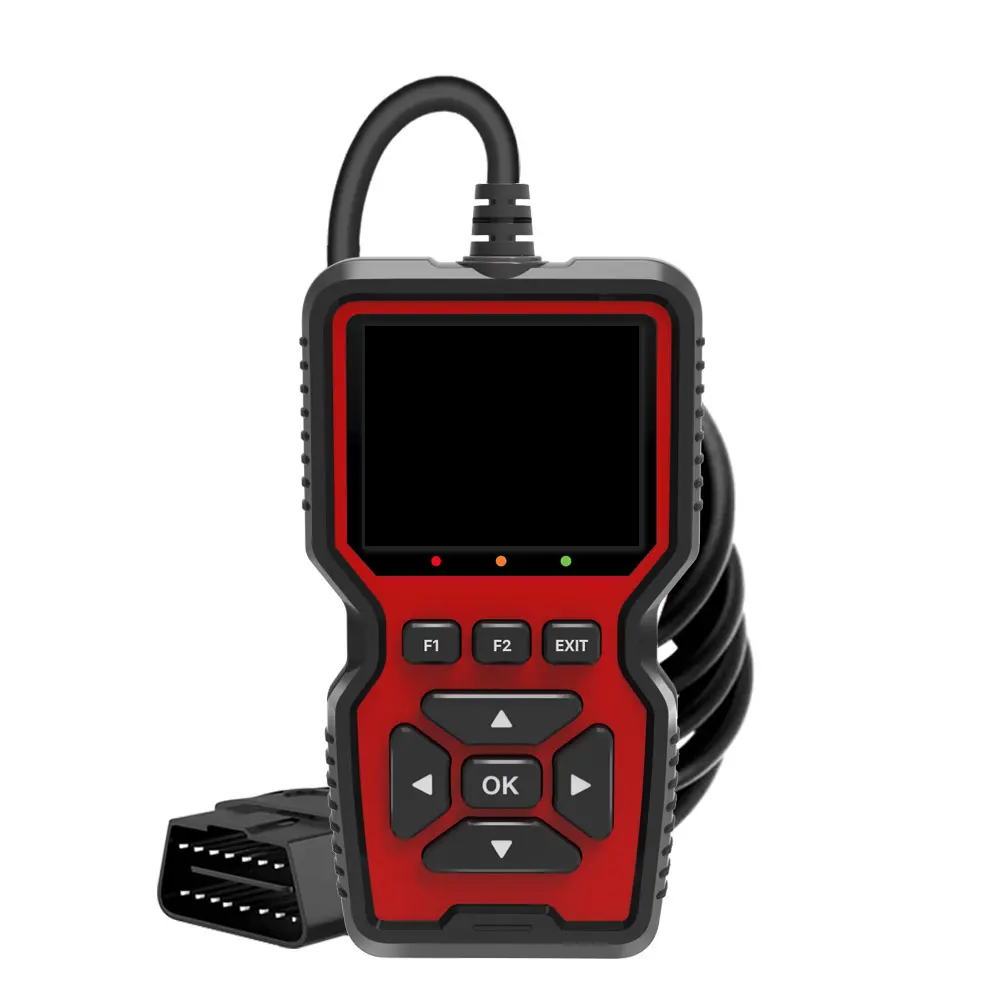
Diagnosing P1621 requires a systematic approach, often involving a capable scan tool, a digital multimeter (DMM), and vehicle-specific service information.
- Initial Scan Tool Check:
- Connect an OBD-II scan tool and retrieve all stored Diagnostic Trouble Codes (DTCs). Note P1621 and any other related codes (e.g., U-codes indicating communication issues, B-codes for immobilizer faults).
- Check live data parameters for the immobilizer system, if available. Look for PIDs like “Key Status,” “Immobilizer Status,” or “Engine Enable/Disable” to understand the PCM’s decision.
- Battery and Charging System Verification:
- Measure battery voltage with a DMM. It should be at least 12.6V fully charged.
- Perform a battery load test to ensure it can supply adequate current during cranking without significant voltage drop (typically not below 10V).
- Inspect battery terminals for corrosion and ensure connections are clean and tight.
- Observe Security Indicator Light:
- Turn the ignition to the “ON” position (do not crank). Observe the behavior of the security light on the instrument cluster.
- Refer to the vehicle’s service manual to interpret the specific flash patterns or states (e.g., rapid flash usually indicates an immobilizer fault preventing start, solid light might mean it’s armed but not currently faulted).
- Test with All Available Keys:
- If a spare key is available, attempt to start the vehicle with it. If the vehicle starts with the spare key, the original key’s transponder is likely faulty or unprogrammed.
- Ensure the correct key is being used for the vehicle.
- Immobilizer Antenna Ring Inspection:
- Visually inspect the plastic ring or coil around the ignition lock cylinder. Look for any physical damage, cracks, or signs of tampering.
- Check the electrical connector to the antenna for looseness, corrosion, or damaged pins.
- Wiring Harness and Connector Integrity Check:
- Obtain the vehicle-specific wiring diagram for the immobilizer system.
- Using a DMM, perform continuity checks on the wires between the immobilizer antenna ring, the immobilizer control unit (if separate), and the PCM. Look for open circuits or high resistance.
- Check for short circuits to ground or power in the immobilizer wiring.
- Inspect all related connectors for bent pins, corrosion, or signs of poor contact.
- PCM Power and Ground Verification:
- Using the wiring diagram, identify all power and ground circuits to the PCM.
- With the ignition on, use a DMM to verify that all PCM power inputs receive appropriate voltage (typically battery voltage).
- Check all PCM ground circuits for continuity to a known good chassis ground. Voltage drop testing under load is recommended for ground circuits to ensure they can carry sufficient current.
- Scan Tool Immobilizer System Diagnostics:
- If your scan tool has advanced capabilities, attempt to communicate directly with the immobilizer control unit (if separate). Check for immobilizer-specific DTCs.
- Look for options to perform an immobilizer system relearn or key programming procedure. Note: This often requires specialized OEM diagnostic tools or advanced aftermarket equivalents.
- Aftermarket System Check:
- If an aftermarket alarm or remote start system is installed, consult its installation instructions or an expert to temporarily disable or bypass it. These systems can often interfere with the factory immobilizer signals.
Recommended Repairs and Solutions
Once the root cause has been identified through systematic diagnosis, the following repairs and solutions are commonly applicable:
- Key Reprogramming: If a valid key exists but the immobilizer code is mismatched (e.g., after battery replacement, or if the PCM lost its learned key information), attempt to reprogram the existing key(s) to the vehicle’s immobilizer system. This typically requires a specialized scan tool or dealer-level equipment. Ensure all existing keys are present during the programming process.
- Replace Faulty Ignition Key: If diagnostic steps confirm the transponder chip within the key is faulty, replace the key and have it professionally cut and programmed to the vehicle’s immobilizer system.
- Repair or Replace Immobilizer System Components:
- Immobilizer Antenna Ring: If the antenna coil around the ignition cylinder is damaged or tests faulty (e.g., open circuit), replace it. Ensure proper connection to its harness.
- Immobilizer Control Unit (ICU): If the vehicle has a separate ICU and it’s determined to be faulty, replace it. Note that a new ICU will need to be programmed or “married” to the vehicle’s PCM.
- Wiring Harness Repair: Repair any identified open circuits, short circuits, or high resistance connections in the immobilizer wiring. Use appropriate soldering and heat-shrink methods or OEM-approved repair splices. Clean and secure corroded connectors.
- PCM Reprogramming / Reflash: If the PCM’s internal memory integrity is suspected (especially if other memory-related issues are present, or if the immobilizer codes were lost for no apparent external reason), a PCM reflash with the latest software version may resolve the issue. This can sometimes restore proper memory function. After reflashing, a full immobilizer relearn procedure will almost certainly be required.
- PCM Replacement: This is generally a last resort. If the PCM’s internal memory is irrevocably corrupted, or if the integrated immobilizer function within the PCM is faulty and cannot be repaired by reprogramming, the PCM will need replacement.
- Important Mechanic’s Tip: A new PCM typically comes “blank” and must be programmed to the specific vehicle’s VIN, options, and most importantly, the immobilizer system. This process usually involves specialized OEM diagnostic tools and a security link to the manufacturer’s server. Ensure that the new PCM is correctly programmed to accept the vehicle’s keys, or it will continue to trigger immobilizer-related codes like P1621.
- Remove/Disable Aftermarket Systems: If an aftermarket alarm or remote start system is causing interference, it may need to be professionally removed or correctly integrated/repaired to prevent conflicts with the factory immobilizer.
- Address Voltage Issues: Ensure the battery and charging system are in optimal condition. Replace a weak battery or repair a faulty alternator to prevent future voltage-related issues that could impact critical control module functions.