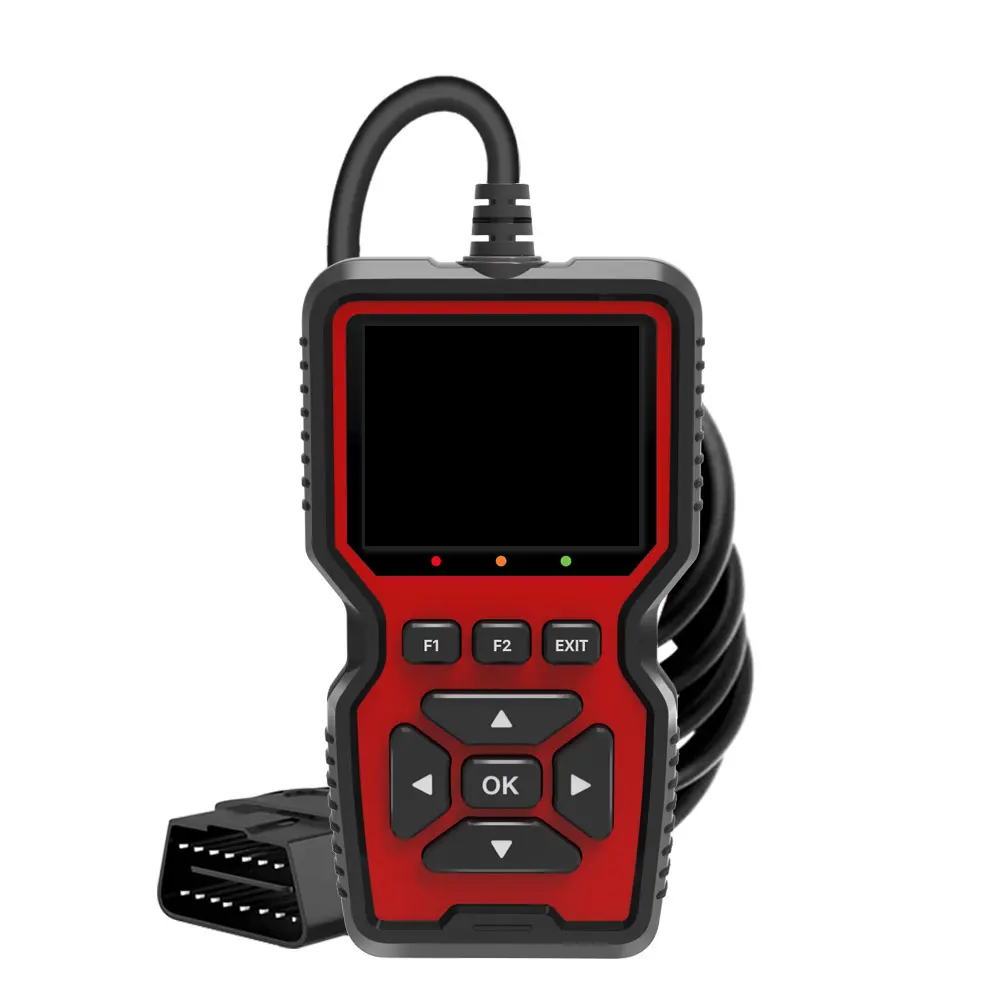
What Does Code P1624 Mean?
DTC P1624 indicates a malfunction within the vehicle’s Powertrain Control Module (PCM), specifically related to an incorrect or missing signal from the Vehicle Anti-Theft System (VATS) or immobilizer control module. The PCM, also known as the Engine Control Module (ECM) in some applications, expects a unique, verified signal from the immobilizer module to authorize engine operation. This signal is part of a complex “handshake” protocol designed to prevent unauthorized starting. When the PCM detects an absent, incorrect, or corrupted signal from the immobilizer system, it interprets this as a security breach or system malfunction. In response, the PCM will inhibit critical engine functions, such as fuel injector pulse, ignition spark, and/or fuel pump operation, to prevent the engine from starting or continuing to run. The P1624 code signifies that the PCM has received an invalid or no security ID signal from the immobilizer module, thus preventing engine start authorization.
Common Symptoms
- Engine cranks but does not start: This is the most prevalent symptom, as the PCM deliberately prevents fuel delivery and/or spark.
- Security light illuminated or flashing: The vehicle’s security or “theft” light on the instrument cluster will typically be active (steady or flashing) when this code is present, indicating an immobilizer system fault.
- Engine starts and immediately stalls: In some vehicle applications, the engine may briefly fire and then stall as the PCM loses the valid security signal.
- No fuel pump prime or no injector pulse: A diagnostic scan tool may show a lack of fuel pump activation or injector pulse during cranking.
What Causes the Code P1624?
- Faulty Immobilizer Control Module: The module responsible for reading the key transponder and sending the security ID to the PCM may be internally damaged or corrupted.
- Wiring Harness Issues: Damage, corrosion, open circuits, or short circuits in the communication wiring between the immobilizer module and the PCM can interrupt the necessary signal.
- Faulty Powertrain Control Module (PCM/ECM): Less common, but the PCM itself could be unable to correctly receive or interpret the immobilizer signal due to internal failure.
- Key Transponder Malfunction: A damaged or improperly programmed key transponder preventing the immobilizer module from reading the correct key ID (though often accompanied by other specific immobilizer codes).
- Ignition Lock Cylinder Reader Coil Failure: If the vehicle uses a transponder-based key, the reader coil around the ignition cylinder may fail to properly energize or read the key.
- Incorrect Module Programming: After a component replacement (e.g., immobilizer module, PCM, or even keys), if the new part is not correctly programmed or synchronized with the vehicle’s security system.
How to Diagnose and Troubleshoot
A systematic diagnostic approach is essential for P1624:
- Verify Code and Related DTCs: Use an OBD-II scanner to confirm P1624. Check for any accompanying B-codes (body codes, often security-related) or U-codes (communication codes) that could point to a broader network issue.
- Observe Security Light Behavior: Note the state of the security light on the dash. Does it illuminate, flash rapidly, or remain off? Consult the vehicle service manual for the specific interpretation of its behavior, as this can often narrow down the problem to the immobilizer module, key, or wiring.
- Check Battery Voltage: Ensure the vehicle’s battery is fully charged and capable of holding a stable voltage (12.6V static, 10.5V minimum during cranking). Low voltage can cause module communication errors.
- Try All Available Keys: If possible, attempt to start the vehicle with all programmed keys. If one key works and others don’t, the issue may be with the key’s transponder. If no keys work, the problem is likely in the immobilizer module, wiring, or PCM.
- Inspect Wiring and Connectors: Visually inspect the wiring harness between the immobilizer control module (location varies by vehicle, often near the ignition switch or under the dash) and the PCM. Look for any signs of chafing, cuts, corrosion, or loose connections. Pay close attention to the data communication lines as specified in the vehicle’s wiring diagram.
- Verify Power and Grounds to Modules: Using a Digital Multimeter (DMM), check for proper voltage supply and ground integrity at both the immobilizer control module and the PCM. Refer to the vehicle’s wiring diagram for correct pinouts and voltage specifications. Unstable or missing power/ground can cause erratic module behavior.
- Scan Tool Data Interpretation: Access live data from the PCM and immobilizer module (if accessible with your scanner). Look for parameters related to “Security Status,” “Key ID,” “Immobilizer Learned State,” or “Security Allowed.” A value indicating “Security Denied” or “Invalid Key” confirms the immobilizer is active and preventing the start.
- Continuity and Resistance Test of Communication Lines: With the battery disconnected and modules unplugged, use a DMM to check continuity and resistance on the communication wires between the immobilizer module and the PCM. High resistance or an open circuit indicates a wiring issue.
- Advanced Diagnostics (Oscilloscope): For technicians with an oscilloscope, analyzing the waveform of dedicated data lines (if present) can reveal signal integrity issues, timing errors, or corrupted data packets between modules.
Recommended Repairs and Solutions
Based on the diagnostic findings, the following repairs are commonly indicated:
- Repair/Replace Damaged Wiring: If the inspection reveals damaged or corroded wiring between the immobilizer module and the PCM, repair or replace the affected section using automotive-grade wiring, connectors, and heat-shrink tubing for environmental protection.
- Replace Immobilizer Control Module: If diagnosis points to an internal failure of the immobilizer control module, it will need replacement. Critical Tip: A new immobilizer module will almost always require programming or “learning” to the vehicle’s PCM and its existing keys using a specialized scan tool (often dealer-level or advanced aftermarket tools). Without proper programming, the new module will not resolve the P1624 code.
- Replace Ignition Lock Cylinder/Key Reader: If the transponder reader coil or ignition lock cylinder assembly is found to be faulty, it should be replaced. This may also necessitate key programming depending on the vehicle’s system.
- Replace Key Transponder: If a specific key is identified as faulty, replacement and programming of a new key is necessary. Some keys may require a locksmith or dealer for this service.
- Replace Powertrain Control Module (PCM): If all other components, wiring, and programming are confirmed functional, and the PCM is still unable to correctly communicate or accept the immobilizer signal, the PCM may be faulty. Important: PCM replacement is often the most expensive repair and requires programming (VIN, immobilizer data, fuel trims, etc.) to the specific vehicle. Ensure thorough diagnosis before condemning the PCM.
- Clear Codes and Test: After any repair, clear the DTCs from the PCM using an OBD-II scanner. Perform multiple starting cycles and a test drive (if the vehicle starts) to confirm the code does not return and the engine operates normally.