What Does Code P1639 Mean?
DTC P1639 indicates that the Powertrain Control Module (PCM), or in some applications the Engine Control Module (ECM), has detected an issue with its internal Vehicle Identification Block. This block is a dedicated section of non-volatile memory (e.g., EEPROM or Flash memory) within the control unit that stores critical vehicle-specific data. This data typically includes the Vehicle Identification Number (VIN), manufacturer-specific calibration identifiers (CAL ID), and sometimes crucial immobilizer or anti-theft system parameters. When the PCM sets P1639, it signifies that this essential data block is either uninitialized (never programmed), contains corrupt or invalid data (e.g., due to a checksum error), or is missing expected information. The PCM relies on this data for proper operation, module synchronization, and to correctly identify the vehicle within the network, affecting subsystems such as engine management, anti-theft, and communication with other control modules like the Body Control Module (BCM) or Instrument Cluster.
Common Symptoms
- Malfunction Indicator Lamp (MIL) illumination: The “Check Engine” light will be on.
- No-start condition: The engine may crank but not start, often due to an engaged immobilizer system that cannot verify vehicle identification.
- Engine cranking but no start: Related to the immobilizer or the PCM’s inability to properly initialize.
- Intermittent starting issues: If the corruption is unstable, starting may be sporadic.
- Reduced engine performance or limp mode: In some cases, the PCM may enter a failsafe mode if it cannot confirm its vehicle identity.
- Other seemingly unrelated DTCs: Communication or immobilizer codes may accompany P1639.
- Inability to communicate with certain modules: Diagnostic tools may struggle to read certain data streams or perform functions if the VIN is unreadable or incorrect.
What Causes the Code P1639?
- Newly installed PCM/ECM: A replacement control module that has not been properly programmed or initialized with the vehicle’s specific VIN and immobilizer data.
- Failed PCM/ECM programming or re-flashing: An interruption or failure during a software update or re-flash process can corrupt the vehicle ID block within the module’s memory.
- Internal PCM/ECM hardware fault: Degradation or failure of the non-volatile memory (e.g., EEPROM, Flash) where the ID block is stored, leading to data corruption.
- Low battery voltage during programming: Insufficient or fluctuating voltage during a critical programming sequence can lead to incomplete or corrupt data writes to the PCM’s memory.
- Incorrect module replacement procedure: Failing to follow OEM-specific “relearn” or “synchronization” procedures after replacing a PCM or related control module.
- Voltage spikes or power surges: Although less common, severe electrical disturbances can potentially corrupt module memory.
How to Diagnose and Troubleshoot
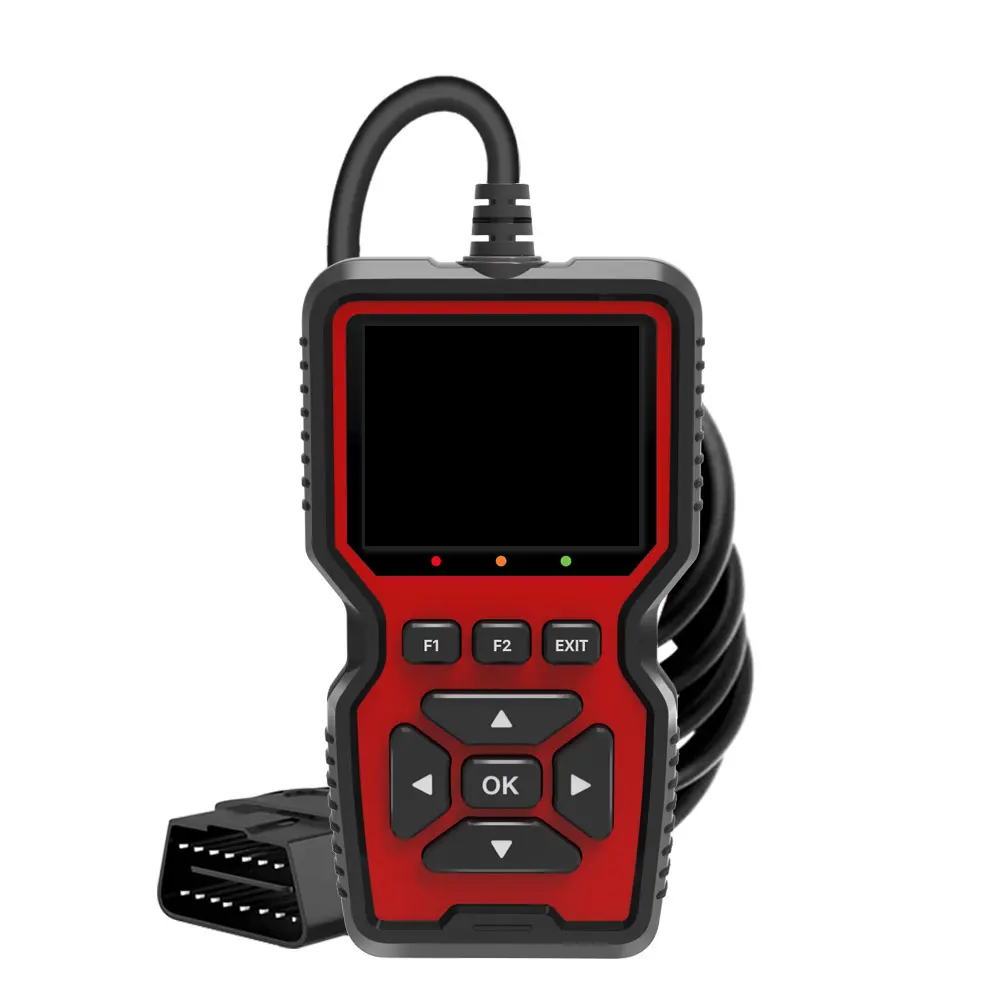
Diagnosis of P1639 requires an advanced diagnostic scanner, preferably one with OEM-level capabilities, and a digital multimeter (DMM).
- Perform an initial diagnostic scan: Connect an OBD-II scanner and confirm the presence of P1639. Check for any other related DTCs, particularly those pertaining to immobilizer systems, module communication, or VIN discrepancies. Note if the code is active or a historical fault.
- Verify PCM VIN data: Use the advanced diagnostic scanner to attempt to read the VIN directly from the PCM’s data stream. Compare this displayed VIN against the physical VIN located on the dashboard or door jamb sticker. If the PCM’s VIN is missing, displays “unprogrammed,” shows generic data (e.g., all zeros), or is incorrect, this confirms the P1639 condition.
- Inspect battery voltage and charging system: Connect a DMM to the vehicle’s battery terminals. Verify that battery voltage is stable and above 12.5 volts with the ignition off, and above 13.5 volts with the engine running (if it starts). Conduct a battery load test to ensure its capacity. Low or unstable voltage is a common culprit for failed module programming.
- Check PCM power and ground circuits: With the ignition off, disconnect the PCM harness connectors. Using a wiring diagram specific to the vehicle, identify the constant battery power, ignition-switched power, and ground circuits to the PCM. Use the DMM to check for stable voltage (appropriate to the circuit) and continuity to a known good ground on all specified pins. Any instability or resistance can compromise PCM operation.
- Review module programming history: If the diagnostic tool supports it, check for information regarding recent module programming events, calibration IDs, or software versions. This might reveal if a recent programming attempt failed or was interrupted.
- Consult OEM service information: Due to the manufacturer-specific nature of P1639, always refer to the vehicle manufacturer’s specific diagnostic procedures and technical service bulletins (TSBs) for this code. They may outline specific programming tools or steps required.
Recommended Repairs and Solutions
Addressing P1639 typically involves specific module programming or replacement procedures:
- PCM/ECM Reprogramming or Re-flashing: The most common solution is to attempt to reprogram or re-flash the existing PCM with the latest OEM software using an appropriate J2534 pass-thru device or an OEM-specific diagnostic tool. This process will typically write the correct VIN and other critical vehicle data into the ID block. Ensure the vehicle’s battery is fully charged and connected to a stable battery maintainer throughout the entire programming process to prevent voltage drops that could cause further corruption.
- VIN Programming: Some advanced diagnostic tools or OEM software allow for direct VIN programming into a “virgin” or newly installed PCM. This must be done accurately, as an incorrect VIN will persist in the module.
- Immobilizer Relearn/Synchronization: After successful PCM reprogramming or replacement, a vital step is often performing an immobilizer relearn or synchronization procedure. This links the PCM with the vehicle’s anti-theft control module and transponder keys, allowing the engine to start. Failure to do this will result in a no-start condition even if the PCM ID block is correctly programmed.
- PCM/ECM Replacement: If reprogramming attempts fail, or if internal diagnostics of the PCM point to a confirmed memory hardware fault, the PCM itself will need to be replaced. A new PCM will come “blank” and require initial programming, VIN input, and immobilizer relearn procedures specific to the vehicle make and model. This should always be performed by a technician with access to OEM programming software and tools.
- Professional Assistance: Due to the complexity and specialized tools required for module programming and immobilizer system integration, it is highly recommended that diagnosis and repair of P1639 be performed by a qualified automotive technician at a dealership or specialized independent shop. Attempting DIY programming without proper equipment can lead to irreversible damage to the control module.