What Does Code P1739 Mean?
DTC P1739 indicates a malfunction within the Slip Solenoid System of an automatic transmission. This diagnostic trouble code is typically manufacturer-specific, but generally points to an issue with a pressure control solenoid responsible for regulating hydraulic pressure to ensure proper clutch engagement and to manage slip during gear changes or while maintaining a gear. The Transmission Control Module (TCM), often integrated into the Powertrain Control Module (PCM), monitors the electrical circuit and operational performance of this specific solenoid. The TCM detects a fault when it observes an electrical anomaly (such as an open circuit, short circuit, or incorrect resistance value) in the solenoid’s circuit, or when the solenoid’s actual hydraulic output (inferred from various sensor inputs like input/output speed sensors or dedicated pressure sensors) deviates significantly from the commanded pressure value. This deviation suggests that the solenoid is either not functioning electrically as expected, or it is mechanically unable to control hydraulic pressure effectively, leading to improper clutch application or excessive slip within the transmission. The affected subsystem is crucial for smooth and efficient operation of the automatic transmission’s hydraulic control.
Common Symptoms
- Transmission slipping during acceleration or gear changes.
- Harsh or delayed shifts, particularly noticeable during upshifts or downshifts.
- Erratic or unpredictable gear changes.
- Reduced fuel economy due to inefficient power transfer.
- Transmission entering “limp-home” mode, limiting available gears or vehicle speed.
- Illumination of the Check Engine Light (MIL).
- Potential for transmission overheating due to excessive clutch slip.
What Causes the Code P1739?
- Faulty Slip Solenoid: The solenoid itself may have an internal electrical fault (open, short, or out-of-spec resistance) or a mechanical issue such as sticking due to debris or wear, preventing proper hydraulic pressure regulation.
- Wiring Harness Issues: Damaged, chafed, shorted, or open circuits in the wiring harness connecting the TCM/PCM to the slip solenoid, including corroded or loose connectors.
- Low or Contaminated Transmission Fluid: Insufficient fluid levels can lead to poor hydraulic pressure, while contaminated or degraded fluid can clog solenoid screens or valve body passages, impeding solenoid function.
- Internal Transmission Mechanical Failure: While less common as a direct cause for an electrical solenoid code, issues like worn clutch packs or seals can lead to excessive slip that the TCM may misinterpret or detect as a solenoid control issue.
- Valve Body Malfunction: Sticking valves or wear within the valve body itself can prevent the slip solenoid from effectively controlling pressure, even if the solenoid is electrically sound.
- Transmission Control Module (TCM) Failure: A rare but possible cause, where the TCM itself is unable to correctly command or monitor the solenoid circuit.
How to Diagnose and Troubleshoot
A systematic approach is essential for diagnosing P1739:
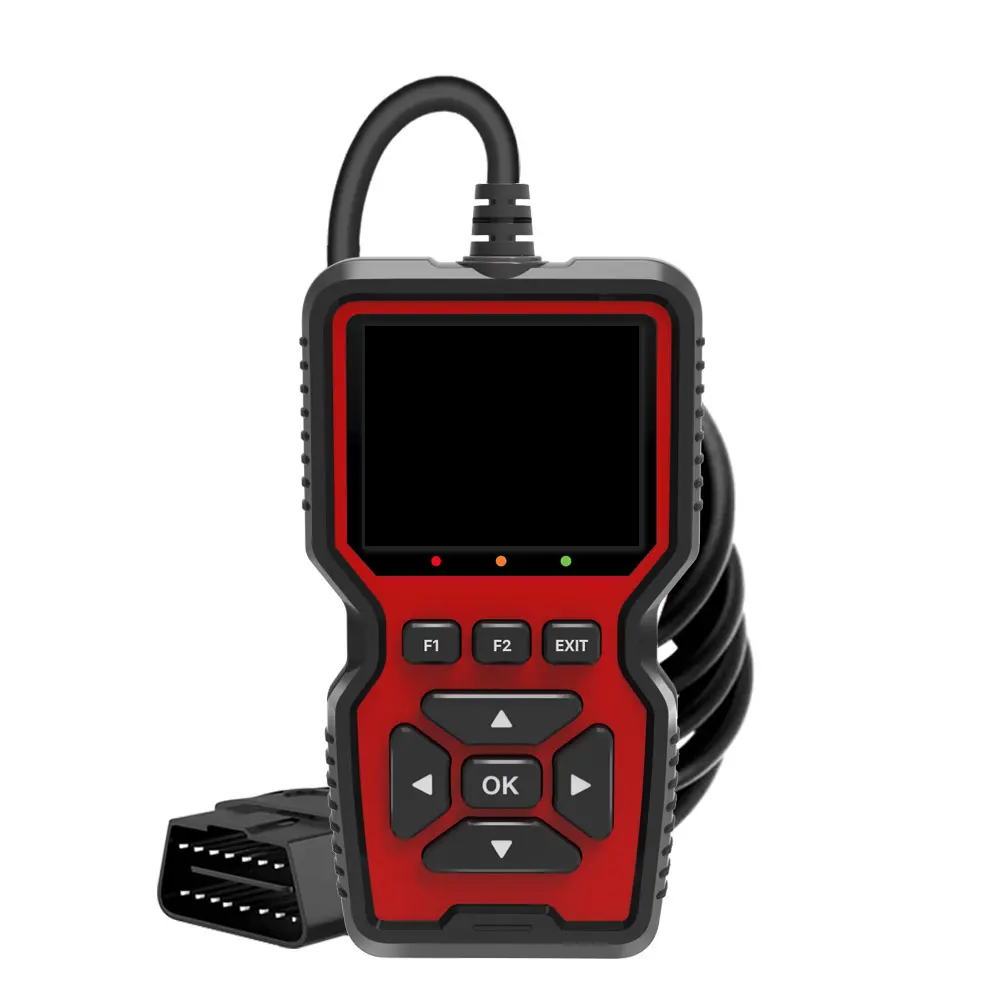
- Initial Scan and Freeze Frame Data: Connect an OBD-II scanner to confirm P1739 is present. Crucially, examine the freeze frame data to note engine speed, vehicle speed, load, and transmission temperature at the time the code was set. This context can be invaluable. Clear the code and perform a road test to see if it immediately returns, noting any driving conditions that trigger it.
- Transmission Fluid Inspection: Check the transmission fluid level accurately according to manufacturer specifications (engine warm, idling in Park/Neutral, or cold as specified). Inspect the fluid’s condition for proper color (should be reddish-clear, not dark brown or black), burnt odor, or presence of metallic particles or debris. If fluid is low or contaminated, address this first.
- Visual Inspection of Wiring and Connectors: Disconnect the battery. Carefully inspect the transmission wiring harness from the TCM/PCM to the transmission case connector and, if accessible, to the slip solenoid itself. Look for signs of chafing, cuts, corrosion, or loose terminals. Pay close attention to areas near exhaust components or sharp edges.
- Electrical Testing of the Slip Solenoid Circuit (Key Off, Battery Disconnected):
- Solenoid Resistance: If the solenoid is external or accessible by dropping the pan/valve body, disconnect its connector. Using a Digital Multimeter (DMM), measure the resistance across the solenoid terminals. Compare this reading to the manufacturer’s specifications. An open circuit (infinite resistance) or a short circuit (near zero resistance) indicates an internal solenoid fault. Typical resistance values for pressure control solenoids can range from 2-20 ohms, but consult specific vehicle service data.
- Circuit Continuity and Short to Ground: With the solenoid disconnected, use the DMM to check for continuity between each solenoid control wire at the transmission harness connector and ground (chassis). There should be no continuity. Then, check for continuity between the control wires themselves; there should be no continuity (indicating no short within the harness).
- Power and Ground Supply (Key On, Engine Off): Reconnect the battery. With the key in the “ON” position (engine off), test for proper voltage supply to the solenoid circuit at the harness connector, usually 12V. Verify the ground circuit for continuity if it’s a dedicated ground wire.
- Live Data Analysis (Advanced Scanner): If available, use a capable scan tool to monitor transmission live data. Observe parameters such as commanded solenoid current/duty cycle, input/output shaft speeds, and calculated gear ratio/slip. Compare commanded values to actual sensor feedback to pinpoint where the discrepancy lies during a road test.
- Internal Valve Body Inspection: If all external electrical tests pass, and fluid is good, the issue may be mechanical. This often requires dropping the transmission pan and removing the valve body to inspect the slip solenoid (if internal) and the valve body passages for debris, sticking valves, or wear.
Recommended Repairs and Solutions
The course of repair will depend on the diagnostic findings:
- Transmission Fluid and Filter Service: If the fluid is low or significantly degraded/contaminated, performing a full fluid and filter change is the first logical step. Ensure the correct type of OEM-specified fluid is used.
- Repair or Replace Wiring Harness/Connectors: Any identified damage to the wiring or connectors should be professionally repaired. Use heat-shrink solder connectors for durable splices, and ensure connectors are clean and securely seated.
- Replace Faulty Slip Solenoid: If electrical tests definitively indicate a faulty solenoid, it must be replaced. This typically involves removing the transmission pan, and often the valve body, to access the solenoid. Always use OEM or high-quality aftermarket solenoids to ensure proper operation and longevity.
- Valve Body Overhaul or Replacement: If the solenoid itself tests good electrically, but symptoms persist and internal inspection reveals issues with sticking valves, debris, or excessive wear within the valve body, then an overhaul (cleaning and replacement of worn components) or full replacement of the valve body may be necessary.
- TCM/PCM Replacement: This should only be considered as a last resort, after all other components and wiring have been thoroughly tested and ruled out as the cause. TCM replacement often requires programming by a dealership or specialized repair facility.
Mechanic’s Tip: After replacing any transmission components, particularly solenoids or the valve body, it is highly recommended to perform a “fast learn” or “relearn” procedure, if available for the specific vehicle. This allows the TCM to adapt to the new component’s characteristics, optimizing shift quality and preventing future issues.