What Does Code P1742 Mean?
DTC P1742 indicates that the Powertrain Control Module (PCM) or Transmission Control Module (TCM) has detected an issue with the Torque Converter Clutch (TCC) solenoid where it appears to be stuck in the “ON” or engaged position when it should be disengaged. The PCM/TCM continuously monitors various parameters, including engine RPM, turbine speed (transmission input shaft speed), and vehicle speed, to calculate the amount of slip across the torque converter. When the TCC solenoid is commanded OFF, the PCM expects to see a certain degree of slip (engine RPM significantly higher than turbine speed, especially at idle or low speeds). If, despite commanding the TCC solenoid OFF, the module observes minimal or zero slip (meaning engine RPM and turbine speed are nearly identical, characteristic of a locked-up TCC), it concludes that the TCC remains engaged due to a fault with the solenoid or its control circuit. This code specifically points to an electrical or mechanical fault causing the solenoid to maintain engagement, rather than a failure to engage.
Common Symptoms
- Vehicle stalls when coming to a stop: This is the most prominent symptom. With the TCC locked, the engine is directly coupled to the transmission, preventing it from idling independently when the vehicle slows down, much like stalling a manual transmission car in too high a gear without using the clutch.
- Harsh or shuddering engagement: The vehicle may experience a harsh “clunk” or shudder when shifting into Drive or Reverse, or during low-speed maneuvers, due to the TCC being inappropriately engaged.
- Reduced fuel economy: Constant, unintended TCC engagement can disrupt the transmission’s normal operating strategy, leading to suboptimal shifting and increased fuel consumption.
- Transmission overheating: Sustained engagement or improper cycling of the TCC can generate excessive heat within the transmission fluid, potentially leading to premature wear and fluid degradation.
- Noticeable drag or lack of power: The vehicle may feel sluggish or struggle to accelerate from a stop due to the TCC being inappropriately engaged at low speeds.
- Check Engine Light (MIL) illumination: The Malfunction Indicator Lamp will illuminate on the dashboard.
What Causes the Code P1742?
- Faulty Torque Converter Clutch (TCC) Solenoid: The solenoid itself is mechanically stuck in the “on” (open) position, allowing fluid pressure to engage the TCC, or it has an internal electrical short to power, causing it to remain energized.
- Internal Transmission Wiring Harness Short to Power: A damaged or chafed internal wiring harness within the transmission could be shorted to a constant power source, continuously energizing the TCC solenoid.
- Contaminated Transmission Fluid or Debris: Metal shavings or other contaminants in the transmission fluid can cause the TCC solenoid plunger or the TCC apply/release valve in the valve body to stick in the engaged position.
- Faulty Transmission Control Module (TCM) / Powertrain Control Module (PCM): While less common, a defective driver circuit within the PCM/TCM could be continuously supplying voltage to the TCC solenoid, even when commanded off.
- Valve Body Malfunction: A mechanical issue within the valve body, such as a stuck TCC control valve or a restricted fluid passage, could prevent the TCC from disengaging even if the solenoid is commanded off and functioning electrically.
How to Diagnose and Troubleshoot
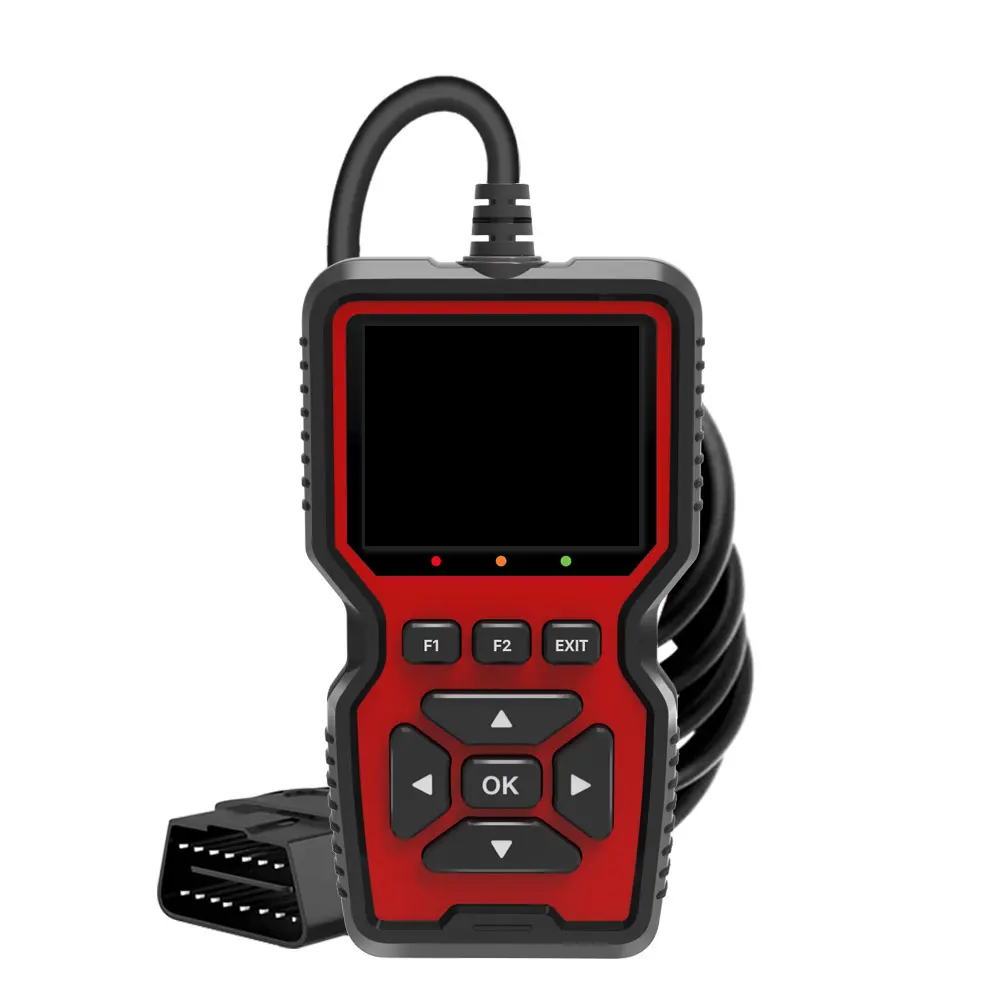
Diagnosis of P1742 requires a systematic approach, often involving an advanced scan tool and a digital multimeter (DMM).
- Verify Code and Gather Data:
- Connect an OBD-II scan tool. Confirm P1742 is active or stored.
- Access live data parameters: Engine RPM, Transmission Input Speed Sensor (TISS), Transmission Output Speed Sensor (TOSS), Torque Converter Slip RPM, and TCC Solenoid Command Status.
- Start the engine and allow it to idle in Neutral or Park. Observe the TCC Slip RPM. If the TCC is commanded OFF, you should see significant slip. If the slip is near zero (TISS approximately equal to Engine RPM), it confirms constant TCC engagement.
- Perform a brief road test (if the vehicle is drivable without stalling). Observe TCC operation through various gears and speeds. Note any abnormal shifts or stalling behavior.
- Visual Inspection:
- Check transmission fluid level and condition. Note any burnt smell, dark color, or presence of metallic particles, which indicate internal wear or overheating.
- Inspect external transmission wiring harness for any signs of damage, chafing, or corrosion, though the TCC solenoid is typically internal.
- Electrical Testing (Requires Transmission Pan Removal):
- Safety First: Disconnect the battery negative terminal before performing any internal electrical work. Drain the transmission fluid and remove the pan to gain access to the valve body and internal wiring harness.
- TCC Solenoid Resistance Test: Locate and disconnect the TCC solenoid electrical connector. Using a DMM, measure the resistance across the solenoid’s terminals. Compare this reading to the manufacturer’s specifications (typically 10-25 ohms for most applications). An out-of-spec reading (e.g., an open circuit or extremely low resistance indicating an internal short) points to a faulty solenoid.
- TCC Solenoid Circuit Voltage Test: With the TCC solenoid still disconnected, reconnect the battery, turn the ignition to the ON position (engine OFF). Use the DMM to measure voltage on the TCC solenoid control wire at the harness connector (coming from the PCM/TCM). If voltage is present when the PCM/TCM is commanding the TCC OFF, this indicates a short to power in the internal transmission harness or a faulty PCM/TCM driver.
- Continuity Check (Solenoid Control Wire): Disconnect the main transmission harness connector at the PCM/TCM (or specific TCM if separate). Perform a continuity check between the TCC solenoid control wire at the internal transmission harness connector and a known good ground. There should be no continuity to ground when the TCC is off, indicating no unintended short to ground.
- Valve Body Inspection:
- Visually inspect the valve body for any signs of physical damage, wear, or sticking valves (especially the TCC apply/release valve). Debris in the valve body can cause mechanical sticking.
Recommended Repairs and Solutions
Addressing P1742 typically focuses on the internal components of the transmission due to the nature of the fault.
- Replace Torque Converter Clutch (TCC) Solenoid: This is the most frequent and usually primary repair. Access requires draining the transmission fluid, removing the transmission pan, and often the valve body assembly. Always use an OEM or high-quality aftermarket replacement part to ensure compatibility and reliability.
- Repair or Replace Internal Transmission Wiring Harness: If electrical testing reveals a short to power within the internal harness, the affected section must be repaired or the entire internal harness assembly replaced. Carefully inspect for pinched or chafed wires.
- Transmission Fluid and Filter Replacement: Whenever the transmission pan is dropped, it is crucial to replace the transmission fluid and filter. Use the exact type and specification of automatic transmission fluid recommended by the vehicle manufacturer. Old, burnt, or contaminated fluid can contribute to solenoid issues and should always be replaced.
- Valve Body Overhaul or Replacement: If after replacing the TCC solenoid and verifying the wiring, the issue persists, a stuck valve within the valve body could be the root cause. This may necessitate a valve body overhaul or complete replacement. This is less common for a “solenoid failed on” code but should be considered if all other electrical components check out.
- PCM/TCM Replacement/Reprogramming: Only pursue this option after thoroughly ruling out the solenoid, wiring, and valve body. A faulty PCM/TCM driver for the TCC solenoid is rare but possible. If replacement is necessary, the new module will require programming to the vehicle.
After any repairs, clear the DTCs and perform a thorough road test to confirm the TCC engages and disengages correctly at various speeds and loads, and that the stalling condition is resolved.